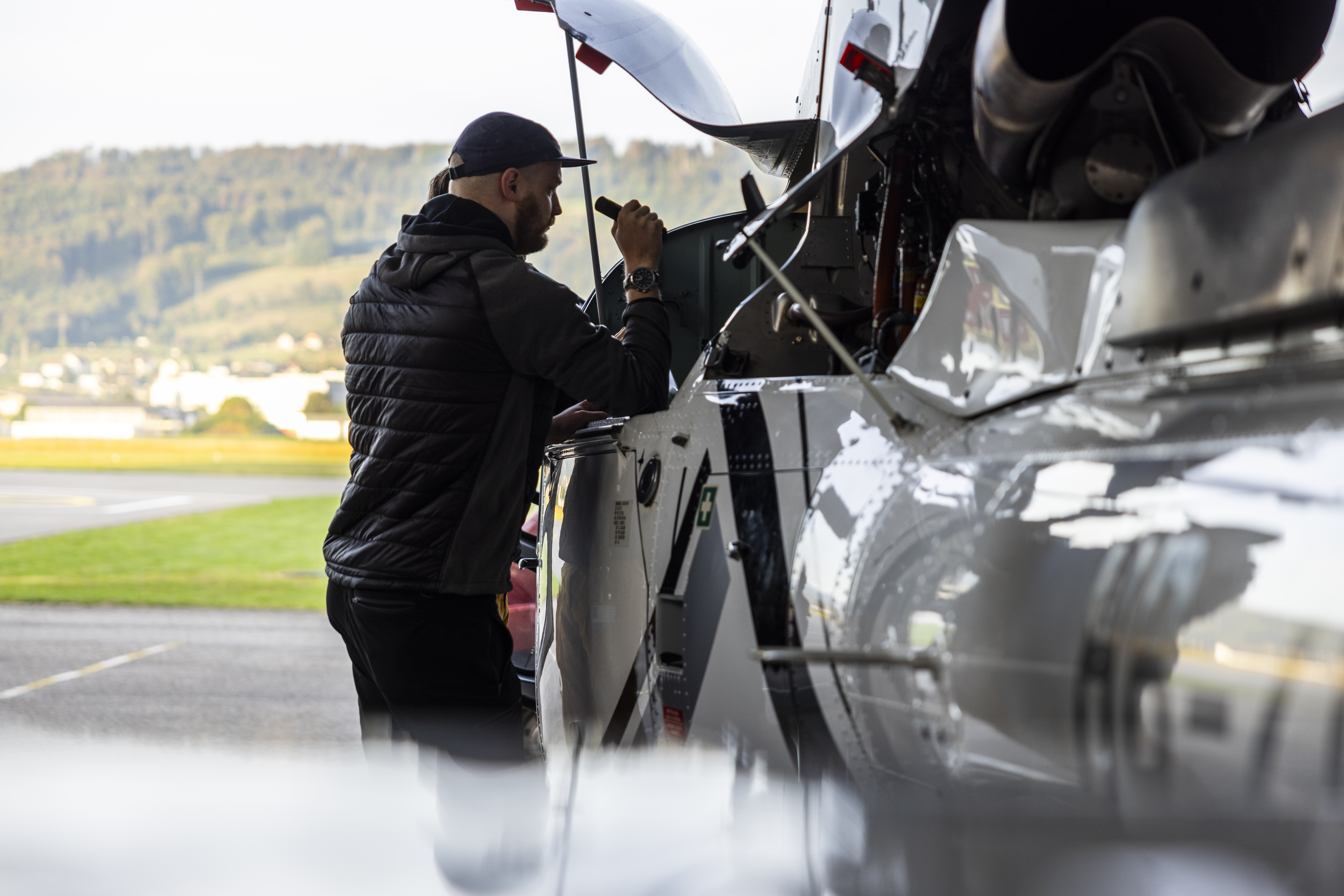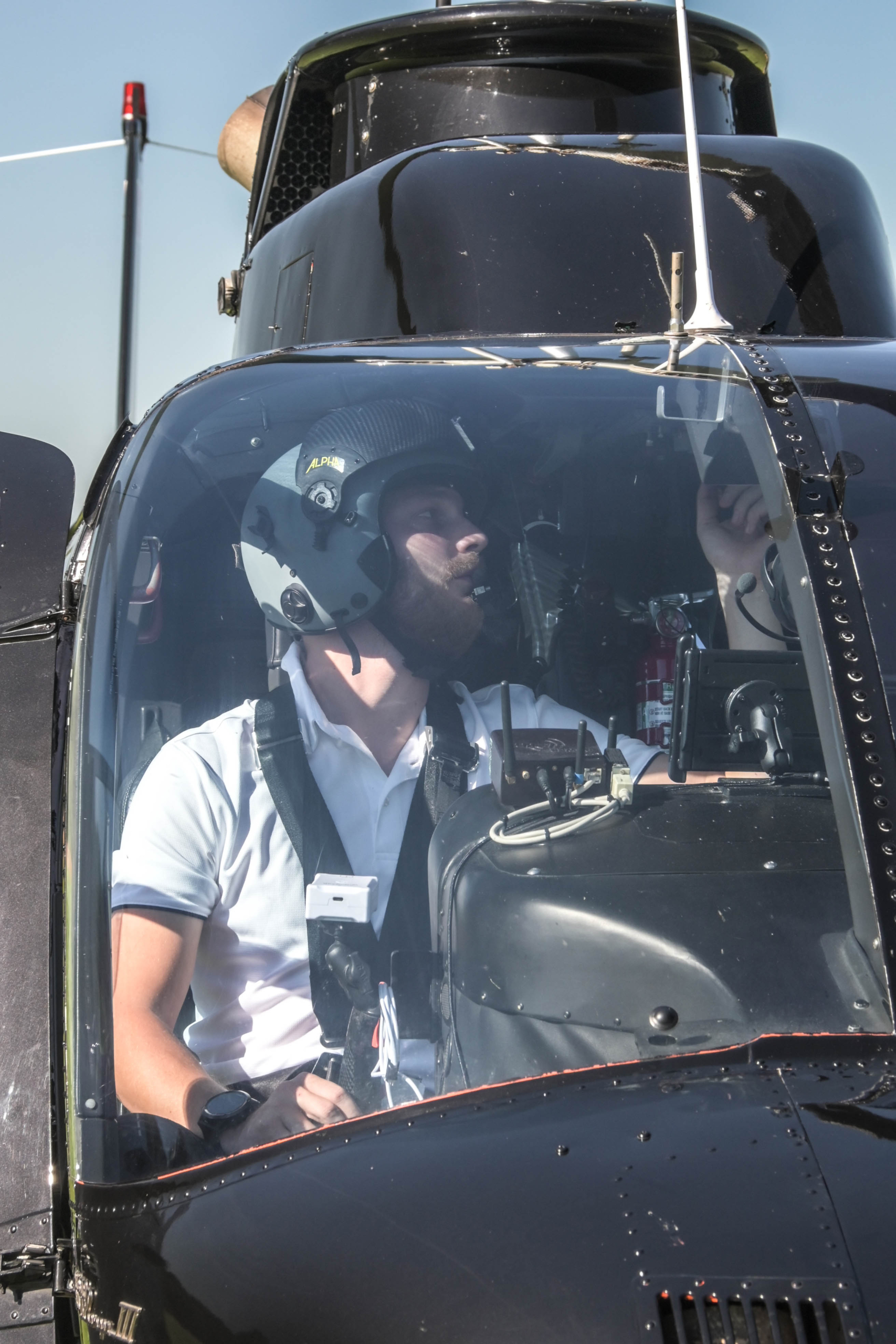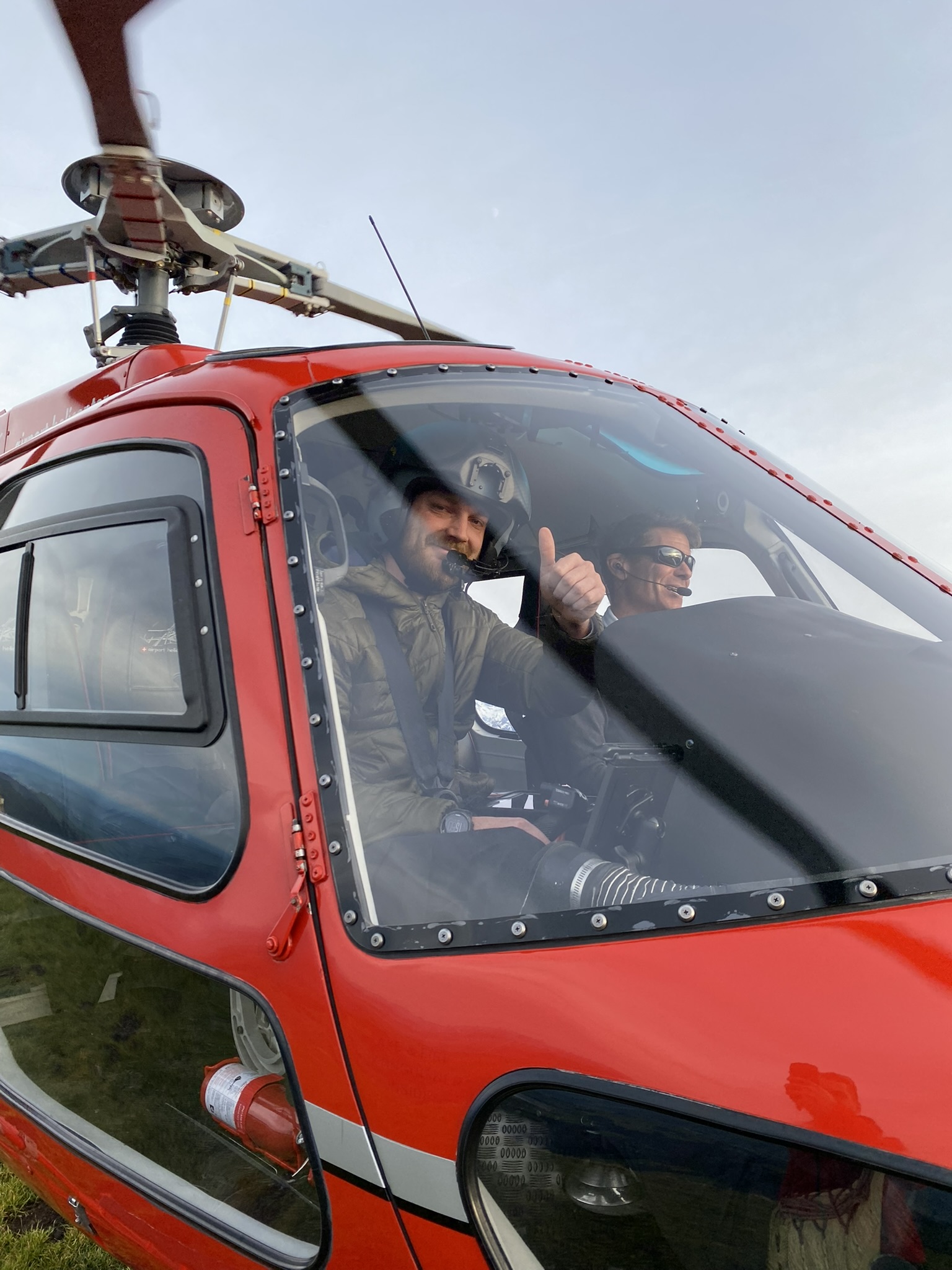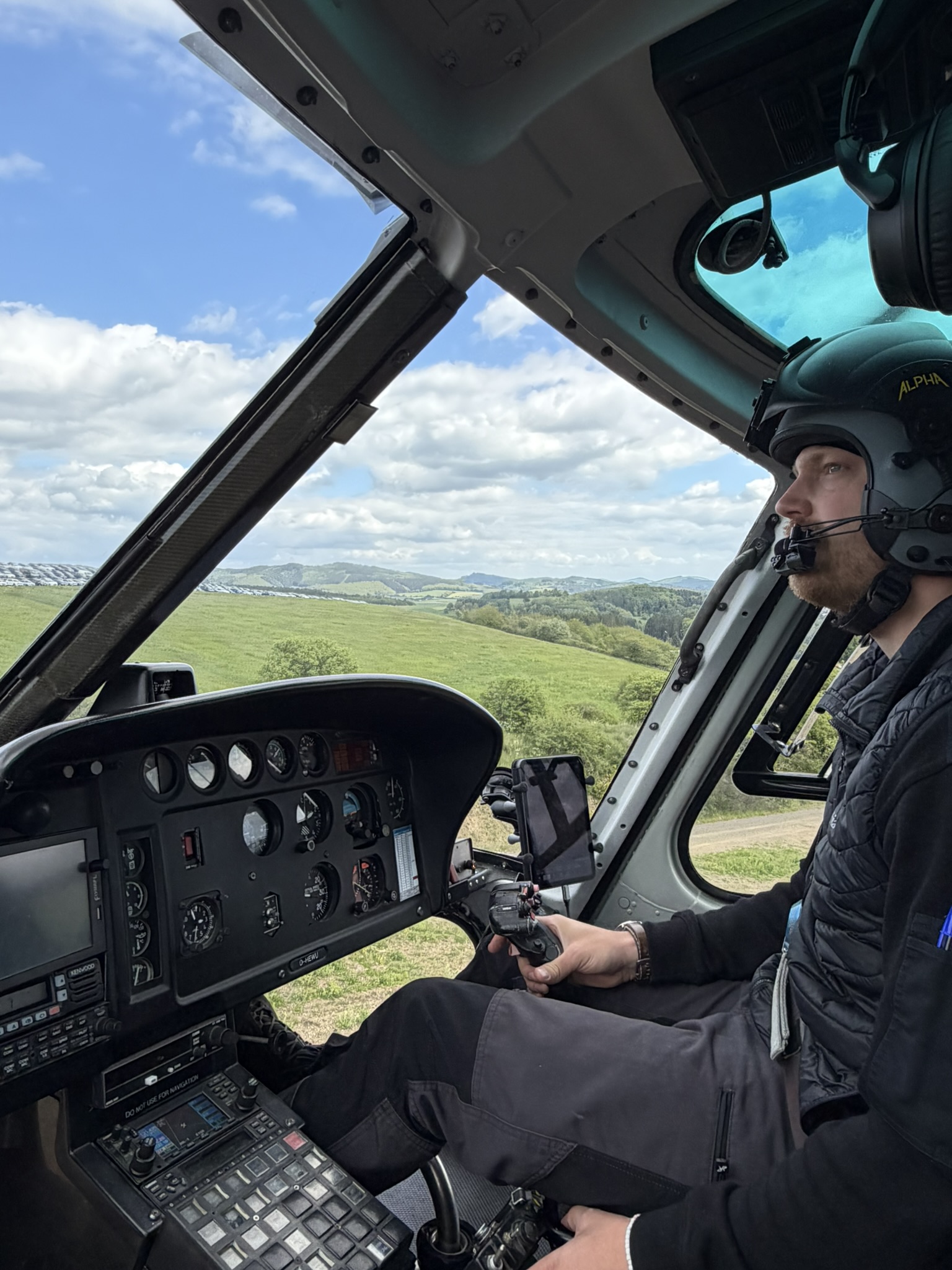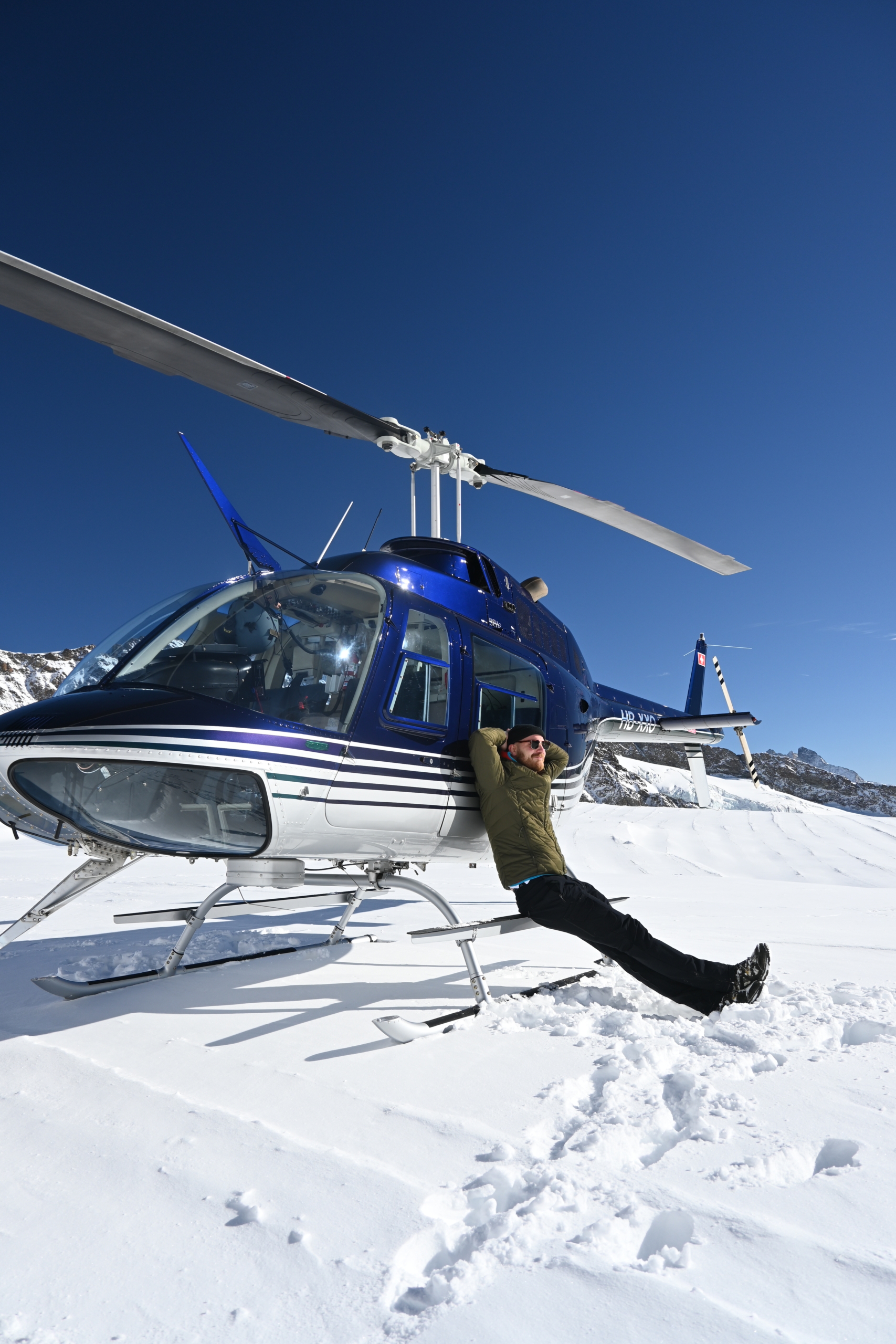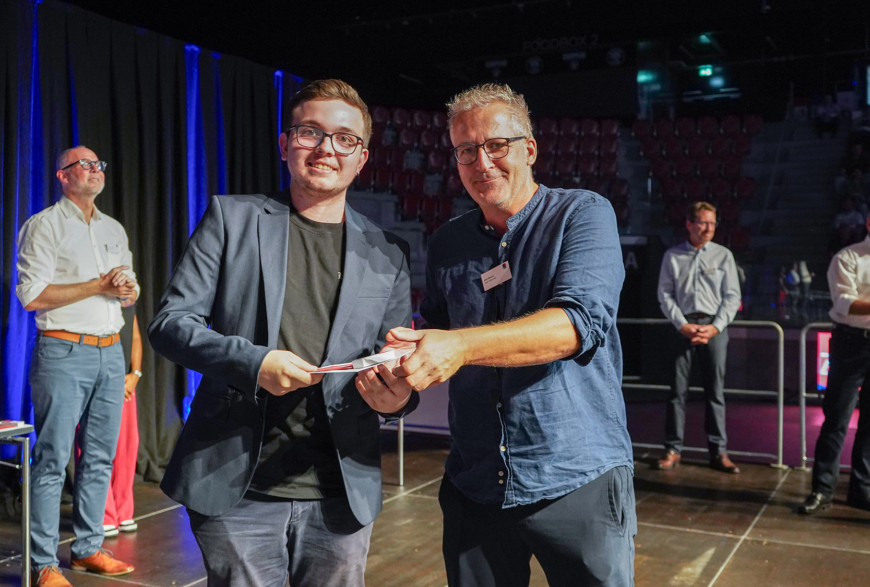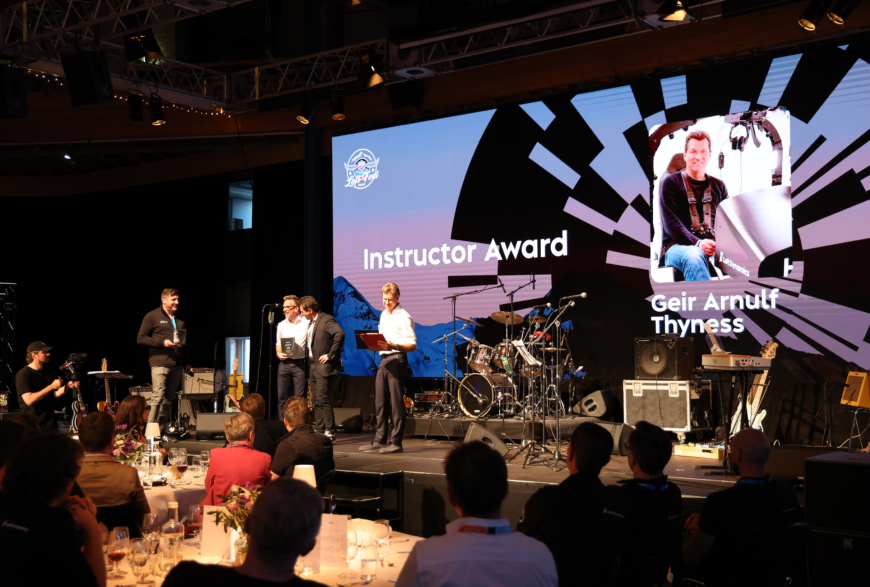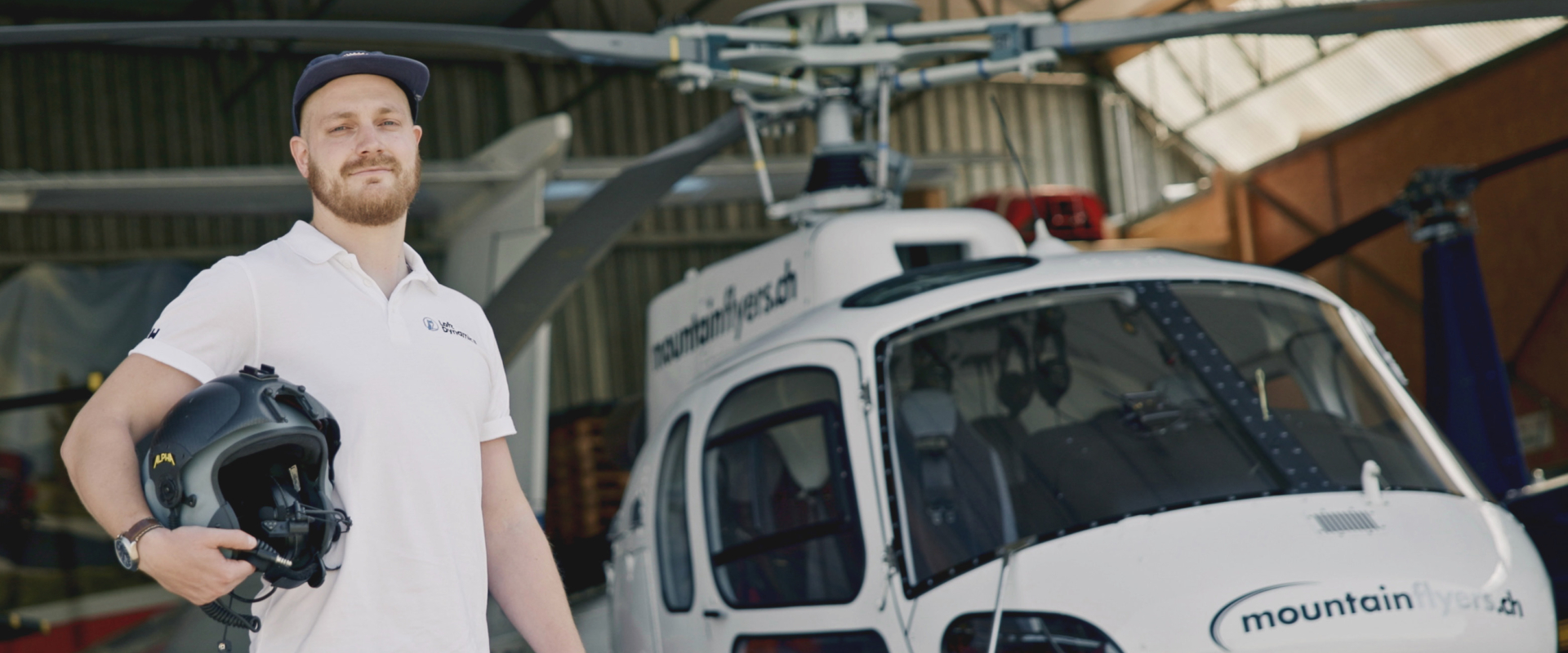
Today, Luzi Knöll is a helicopter pilot, flight instructor and Training Specialist at Loft Dynamics. For a long time, he wasn’t sure he would ever become any of those things.
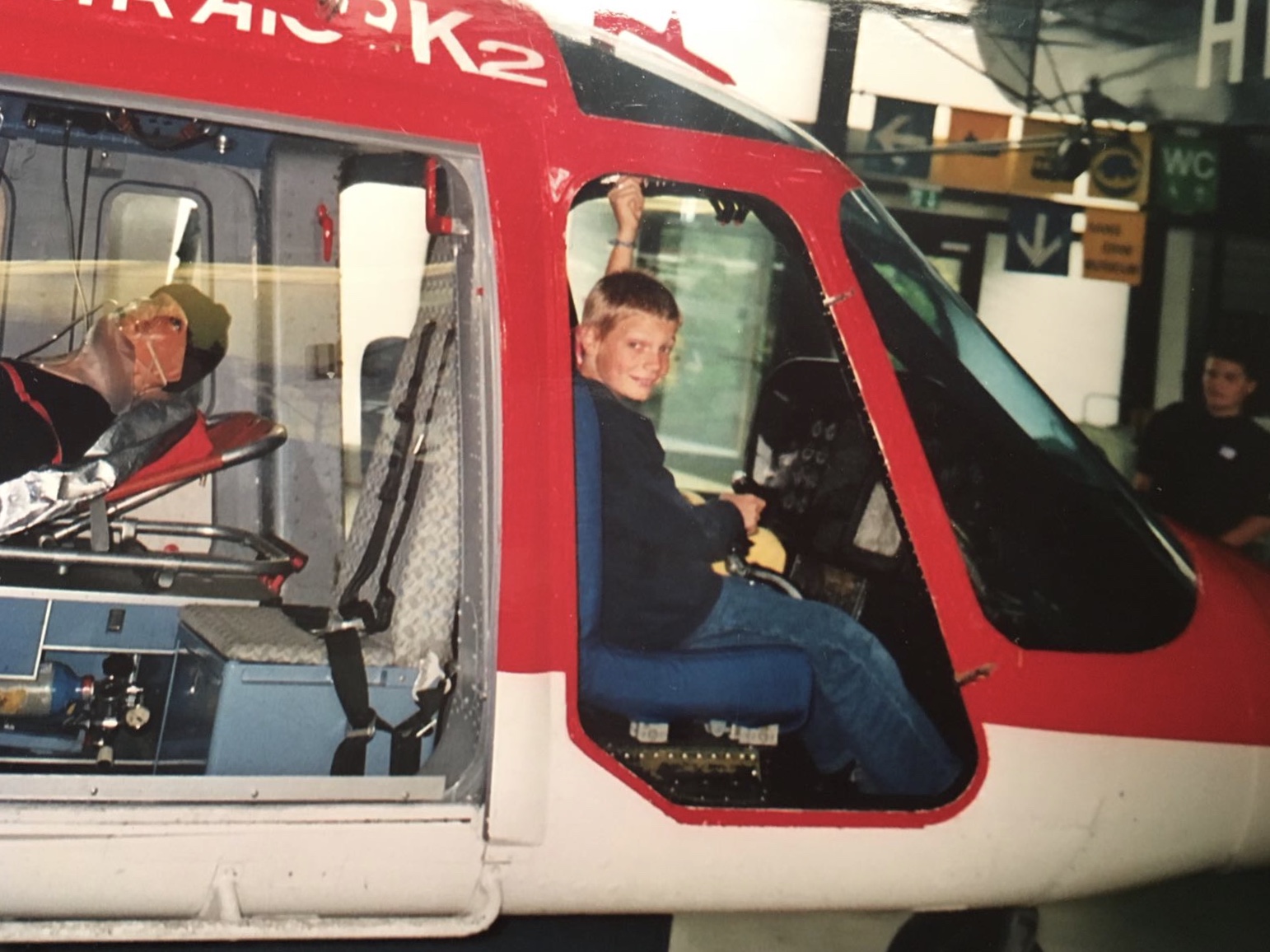
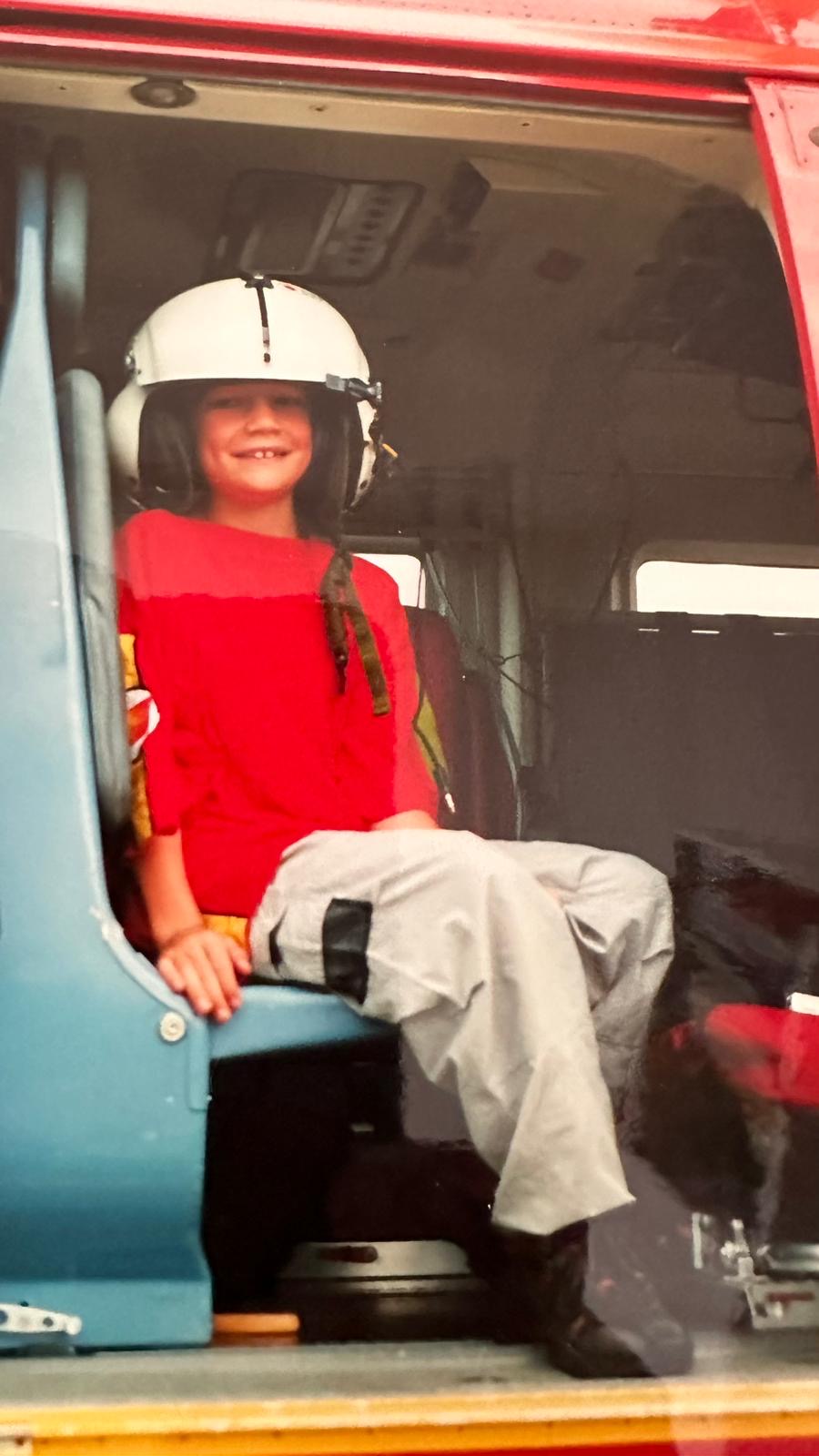
Growing up, Luzi dreamed of becoming a rescue helicopter pilot. But at school, he heard a very different message. “I was told more than once that I was too stupid to become a pilot,” he remembers. So he chose another way to help people. An athlete himself, Luzi had seen what physiotherapy could do for people recovering from injuries, and he trained as a physiotherapist. He spent five years in the profession.
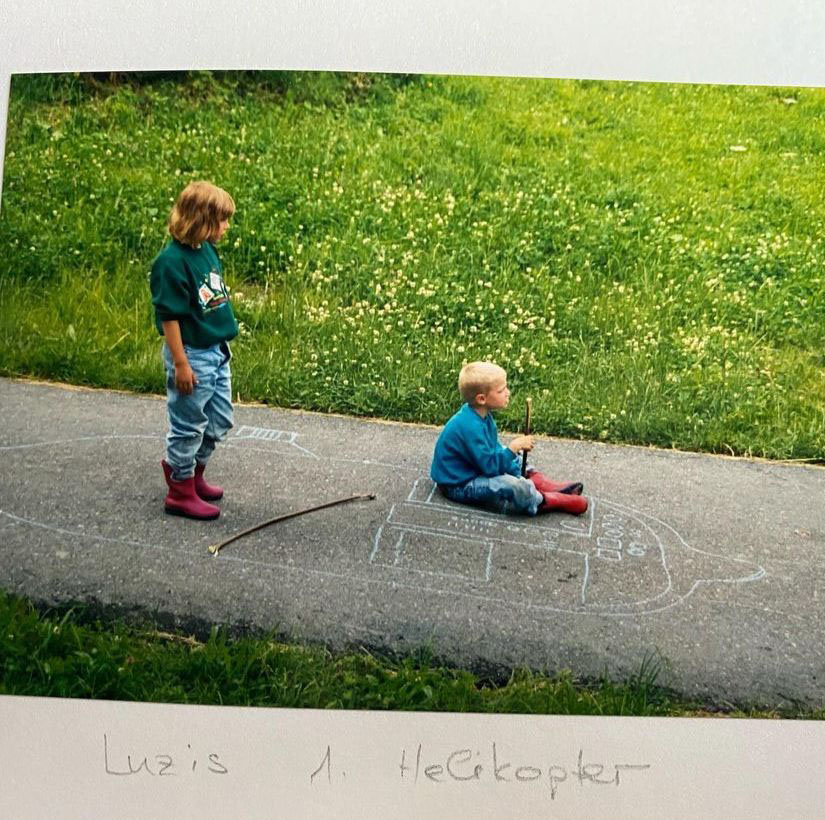
The dream of flying never really went away. Luzi took his first helicopter flight around a decade ago, and years later he found himself thinking about the cockpit again and again. By 2020, he knew he had a decision to make. If he didn’t seriously try to become a pilot, he says, the regret would probably “haunt me for the rest of my life.” So he tried.
An aviation career that almost started by accident
Breaking into aviation can be difficult, especially without an obvious way in. Luzi knew he needed experience and connections, but he was still a physiotherapist with a private pilot licence and relatively few hours. Then a chance encounter pointed him toward Loft Dynamics.
The examiner for Luzi’s private pilot licence happened to work at Loft and told him about it. Luzi remembered the conversation. Later, when he started looking seriously for a way into aviation, he searched online and found a job posting. There was only one problem: the job apparently wasn’t supposed to be posted. Luzi applied anyway. Loft told him the position didn’t actually exist, but invited him to come in and meet the team. A couple of weeks later, he had a job.
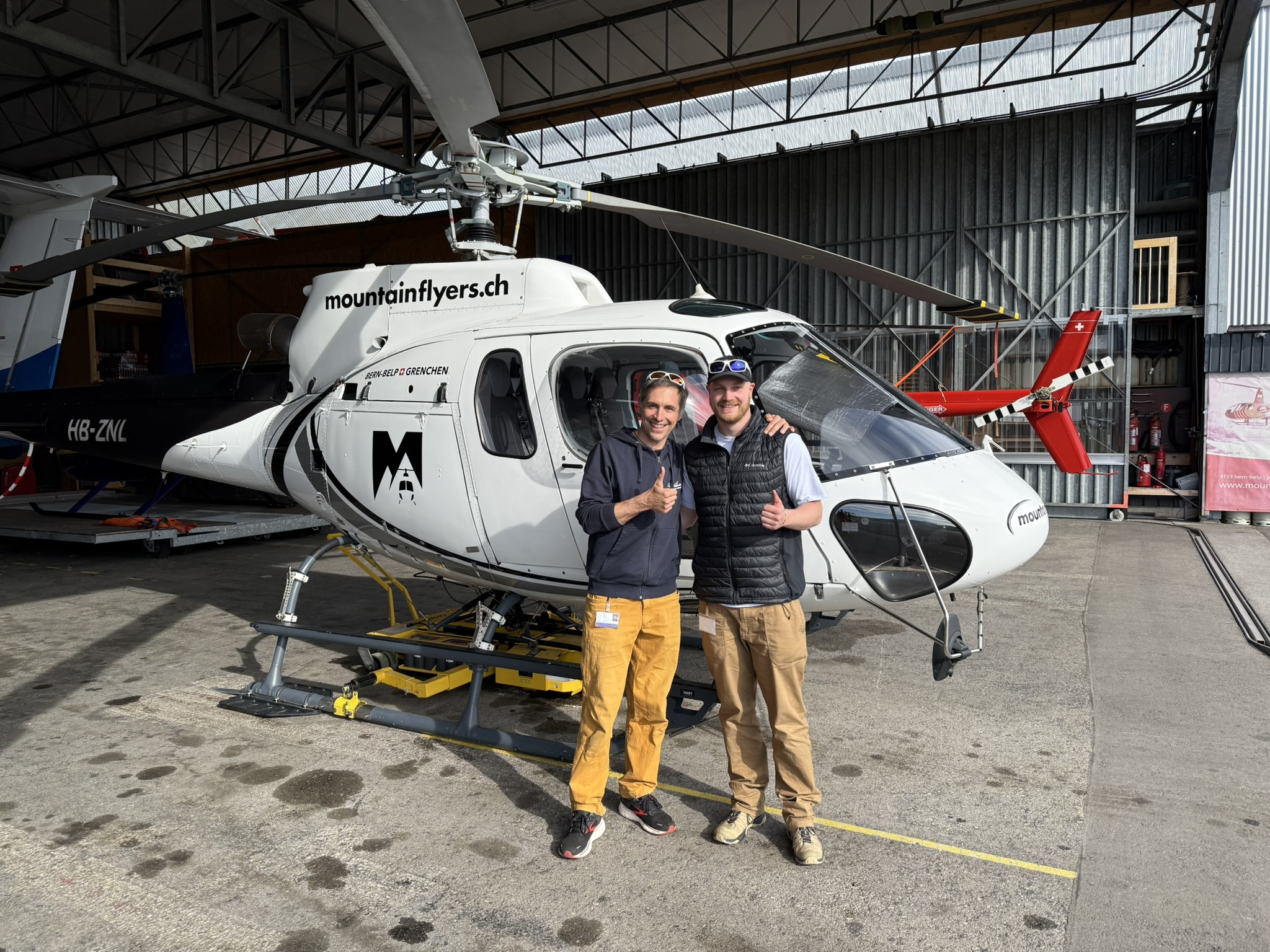
For Luzi, that opportunity changed far more than where he worked. He suddenly had access to people across aviation, exposure to customers and pilots, and more time in a helicopter simulator than he could begin to count. Loft also supported him as he continued developing as a pilot, including earning his H125 rating.
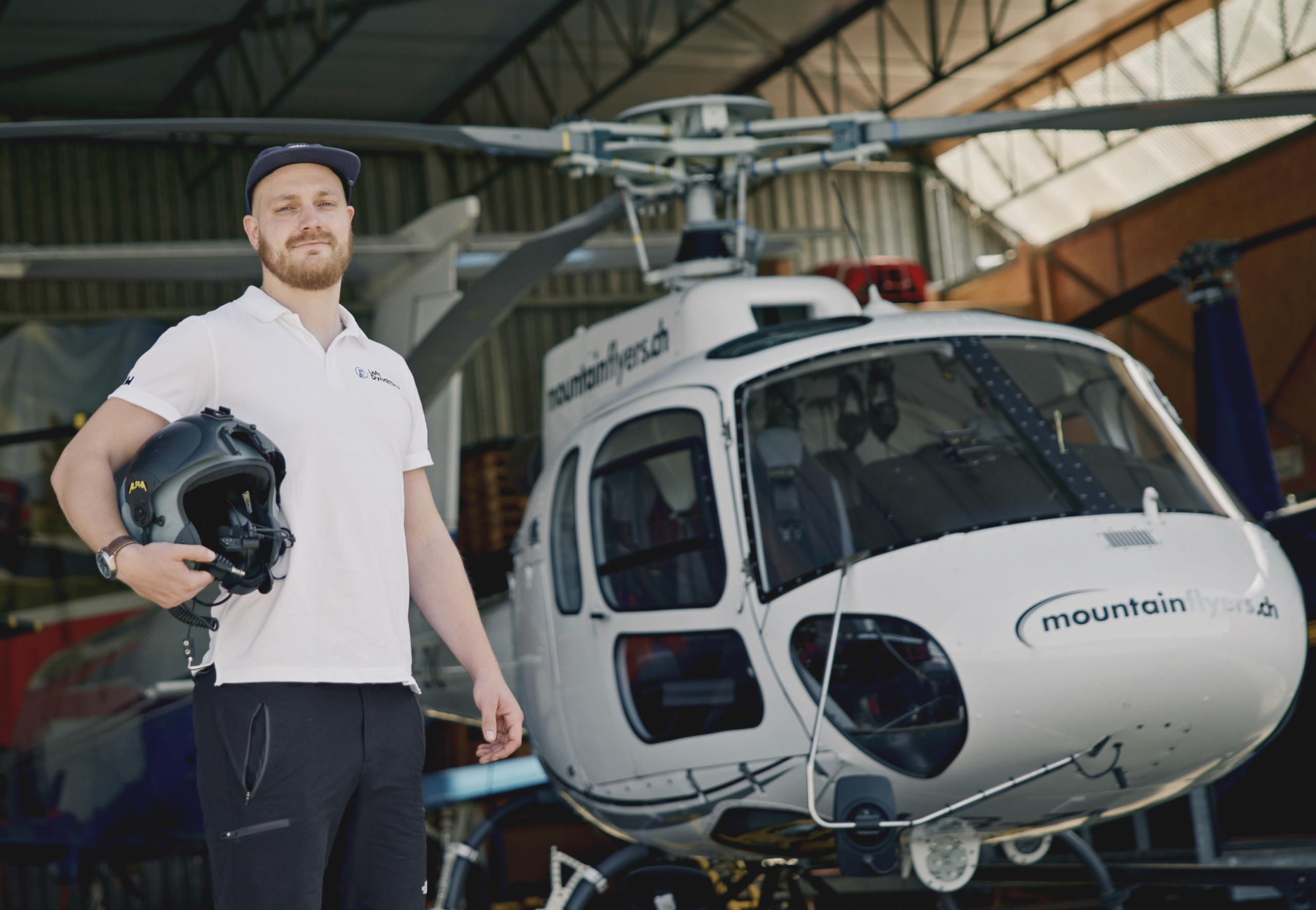
The unconventional background that might have made him easy to overlook also turned out to be useful. As a physiotherapist, Luzi had spent years teaching people, reading their reactions and adjusting the way he communicated depending on what they needed. Those same instincts now help him as a Training Specialist and flight instructor. “You have to understand what people need,” he says. “Do they understand it? Do they not? How do you talk to different people?”
A whiteout, a lost reference and a familiar feeling
Working at Loft also gave Luzi the chance to spend hundreds of hours exploring situations in the simulator that would be difficult, impractical or too dangerous to reproduce in an aircraft: engine failures, hydraulic failures, autorotations from difficult positions, emergency landings in the mountains when there is no large, flat field conveniently waiting below.
In an aircraft, training has limits. An instructor can simulate an engine failure, for example, but the engine is still running at idle. A pilot cannot intentionally recreate every dangerous combination of failures or test what happens when the only possible landing site is a tiny patch of ground near a mountain cabin. In the simulator, Luzi could. He could make mistakes, try unusual scenarios and repeat them. He could learn what the helicopter would do and what he would need to look for when a situation started going wrong.
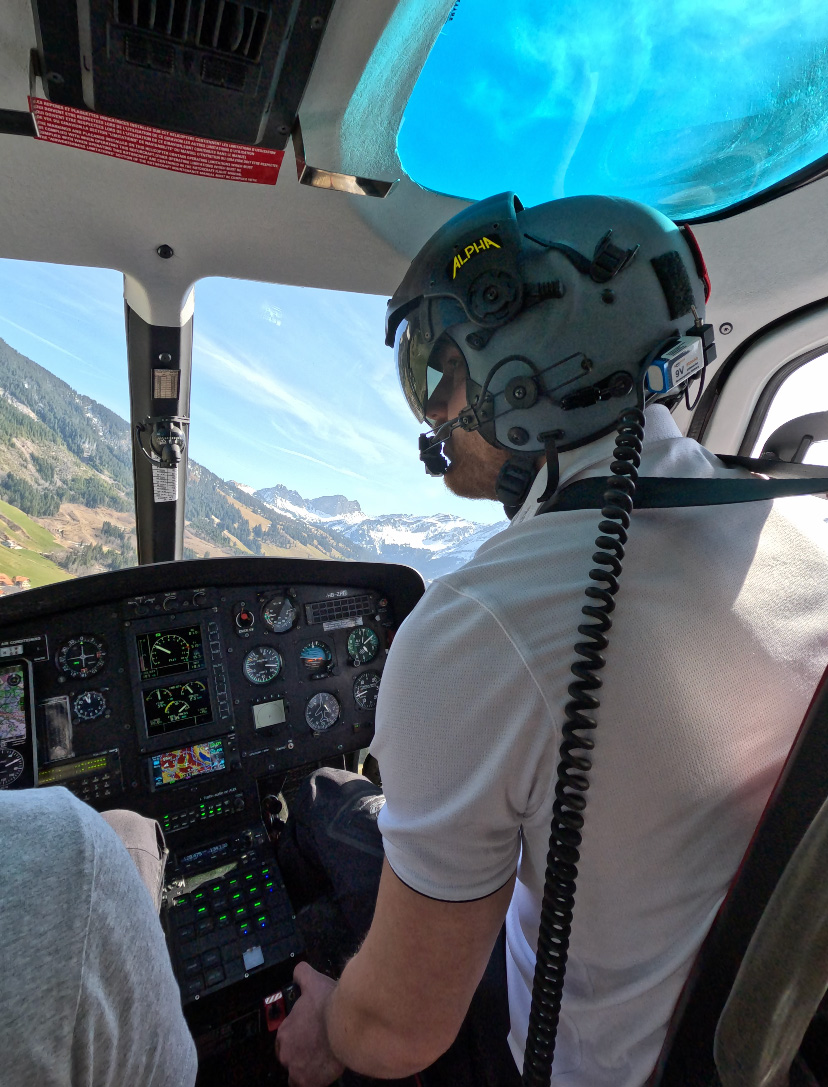
Luzi still considers himself a relatively low-time pilot, but he says all that simulator experience has made him feel far more confident in the H125. Then, during one real flight, some of that experience suddenly mattered.
Luzi encountered a severe whiteout. Snow began swirling around the helicopter until the outside visual references he was using started disappearing. A passenger behind him asked whether he had seen a tree, and Luzi briefly turned his attention away. When he looked forward again, his reference was gone.
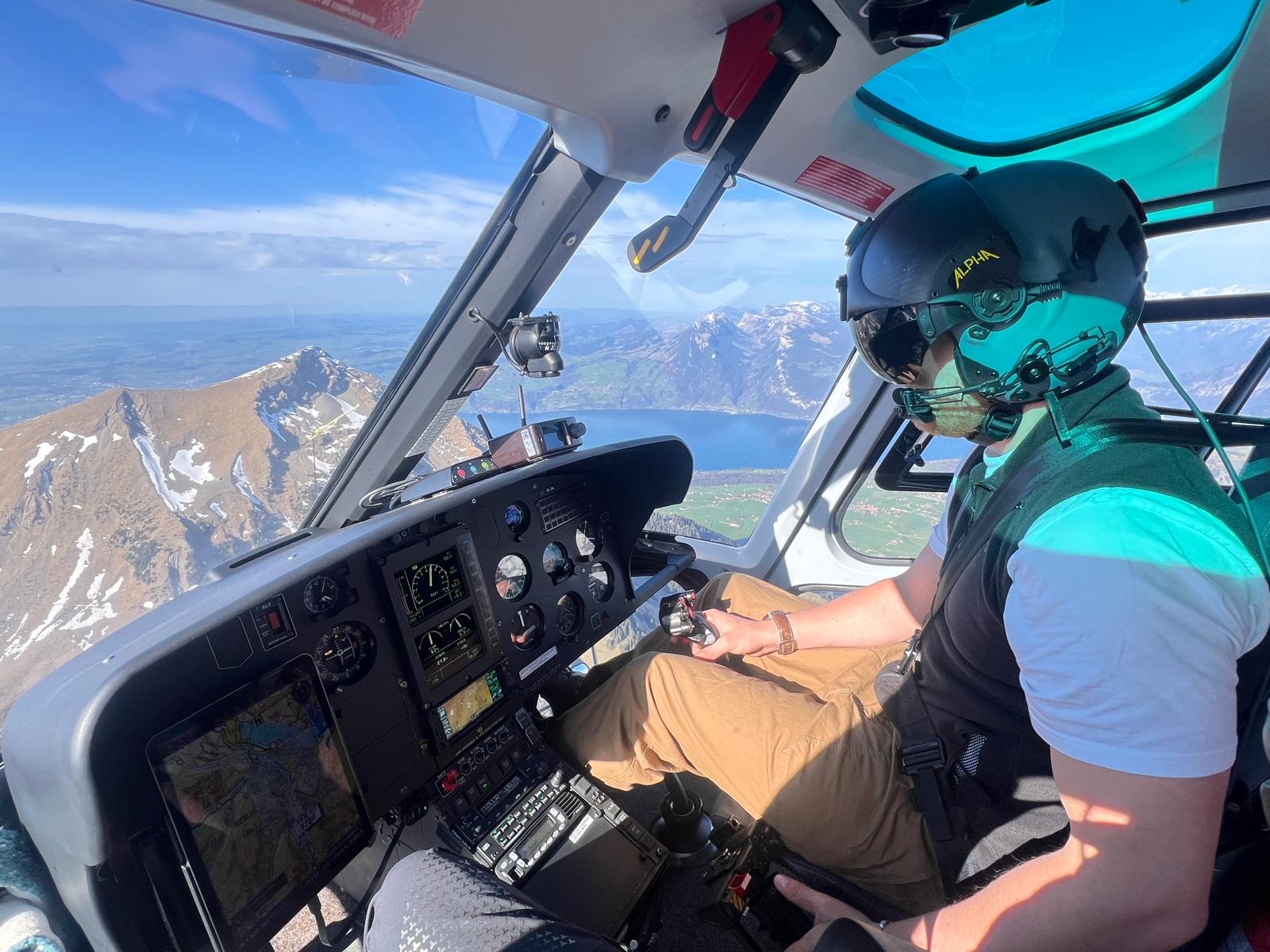
In a helicopter close to the ground, losing visual reference can become dangerous very quickly. Luzi had experienced whiteout conditions in the simulator before. He knew what the loss of reference felt like, what could happen next and where he needed to focus his attention. Instead of being surprised by the situation, he concentrated on finding a reference again and getting clear of the conditions.
Luzi is careful not to suggest that simulator flying and real flying are the same. They aren’t. But he believes the experience helped him stay composed. “Maybe it’s because I trained it,” he says. “I knew what could happen.”
From learning to teaching
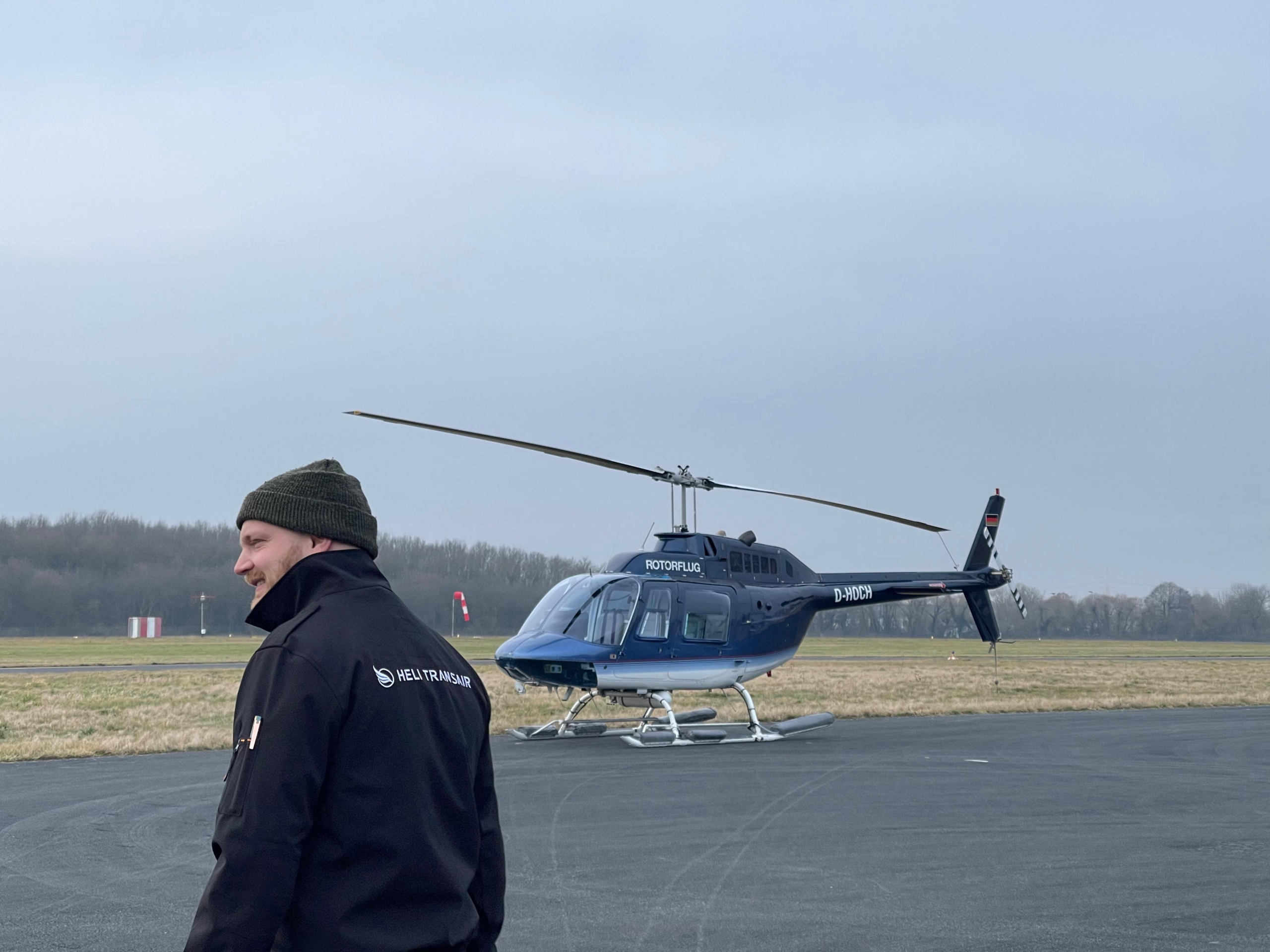
Becoming a commercial helicopter pilot was never the end goal for Luzi. His first flying job at Heli Transair in Germany also put him on the path to becoming a flight instructor, a role that appealed to him for a personal reason.
Some of the people who had the biggest influence on Luzi’s own development were his flight instructors. They guided him through private and commercial pilot training, pushed him forward when things were difficult and showed him the kind of instructor he hoped he might become himself. Now he has the chance to do that for someone else.
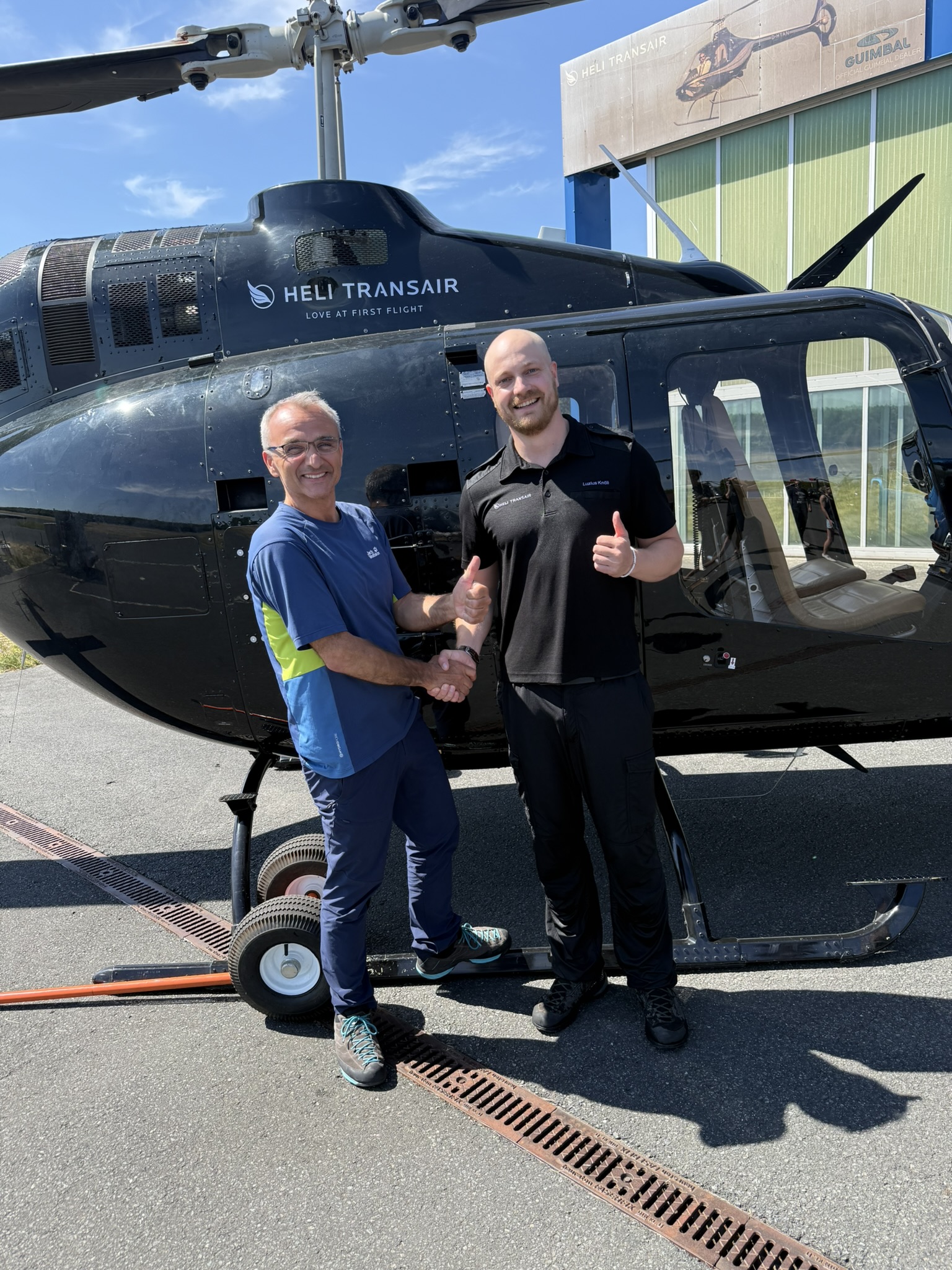
There is a certain symmetry to it: the student who once heard that he might not be capable of becoming a pilot is now qualified to teach other people how to fly. He still refuses to get too carried away by the achievement. “I’m curious how it will be,” he said before his first lesson. “Whether I’m really a good flight instructor or not.”
That combination of experience and humility also feeds back into his work at Loft. Every student responds differently. Teaching forces Luzi to keep learning how people process information, what builds confidence and how an instructor can adjust when a student needs something different. Those are the same questions he faces when working with Loft customers in the simulator.
The flight his parents will never forget
For all the qualifications and career milestones, one of Luzi’s most meaningful flights had nothing to do with work. It was the day he took his parents flying.
They had watched him change careers, struggle through demanding training and keep pursuing a goal other people had told him was unrealistic. Now their son was sitting in the pilot’s seat, and they were his passengers. For Luzi, it was a chance to show them where all that support had led.
The day also took an unexpected turn: as his mother got out of the helicopter, she fell and broke her foot.
Luzi describes the flight as one of the best and worst moments of his aviation career. The accident makes him (and his mom!) laugh in hindsight, but the meaning of the day has stayed with him. His parents had believed in the goal long before he could prove he would reach it, and he finally got to show them what all that support had made possible.
Sometimes someone has to give you the chance
Luzi knows that his path into aviation did not look obvious on paper. When Loft first opened the door for him, he was a physiotherapist and private pilot trying to find his place in the industry. He had little reason to assume a company would take a chance on him.
Loft did.
“If I never got the trust from Loft Dynamics, I would never have been able to show what I’m capable of,” he says. That experience has shaped the way he thinks about people who want to change careers or pursue something they have been told is unrealistic. Qualifications matter. Experience matters. But sometimes potential appears before the conventional résumé catches up.
The physiotherapist who was once told he wasn’t smart enough to become a pilot now flies helicopters, trains Loft customers and teaches other pilots how to fly.
His advice to anyone carrying around a goal they have been afraid to pursue is much simpler than his path to get there: “If you have a dream, follow it. If everyone says it’s stupid, just try it.”
Congratulations, Luzi. From physiotherapist to pilot, Training Specialist and now flight instructor — we have a feeling this is only the beginning.