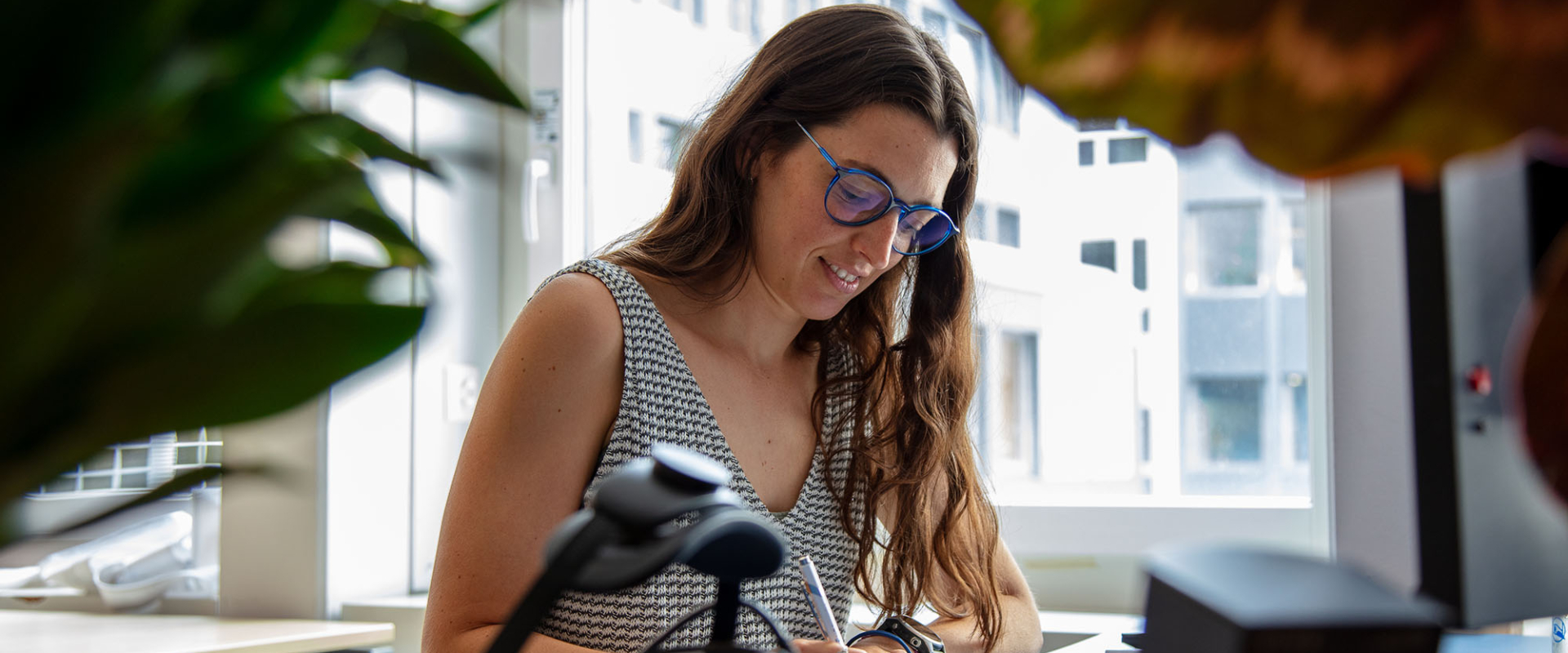
From surgical simulation to virtual flight, Graphics Software Engineer Carlota Soler builds digital experiences that help professionals prepare for moments when precision matters most.
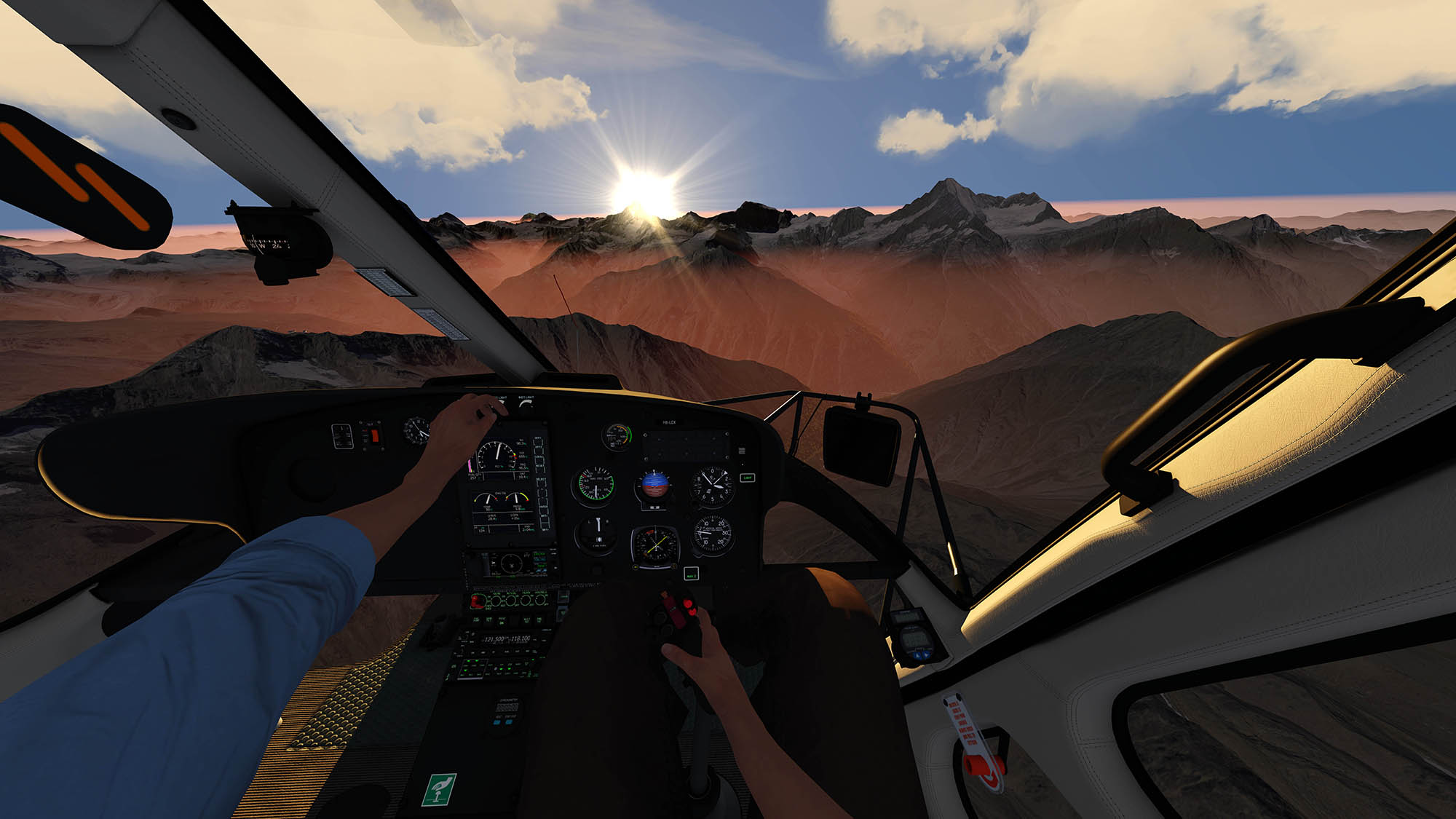
When a pilot puts on a virtual reality headset inside a Loft Dynamics simulator, the experience should feel natural. The cockpit surrounds them. Switches respond to their touch. Sunlight enters their field of view. Aircraft systems react to their decisions.
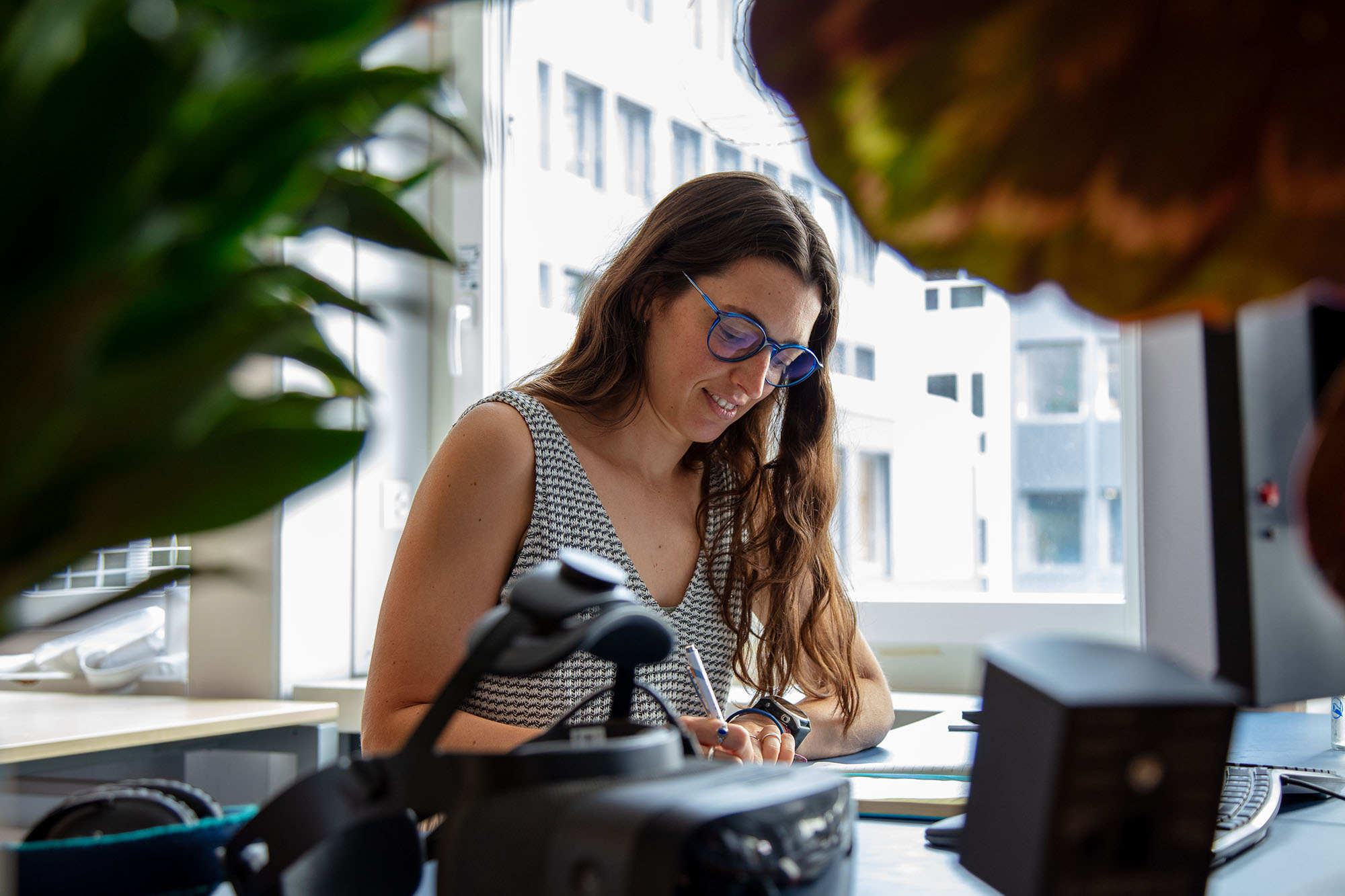
It can look almost effortless. But behind every visual, movement and interaction is an intricate combination of software, hardware, physics, 3D modelling and aviation expertise. Bringing those elements together is where Carlota, Graphics Software Engineer in the Immersive Software Engineering department, comes in.
“What I really like about graphics software engineering is that you can write code and, in the end, people can actually see and experience the result,” she says. “You can assess whether it looks right, behaves correctly and feels like reality.”
Building a virtual world, one block at a time
To explain her role, Carlota uses a simple metaphor: LEGO.
Someone defines what needs to be built. She gathers the available building blocks, connects them, tests the result and works with colleagues until the final experience looks and behaves as intended.
The actual building blocks are, of course, considerably more complex. They include cockpit interactions, visual effects, aircraft systems, wiring, hydraulics and the physical behaviour of objects within the simulated environment.
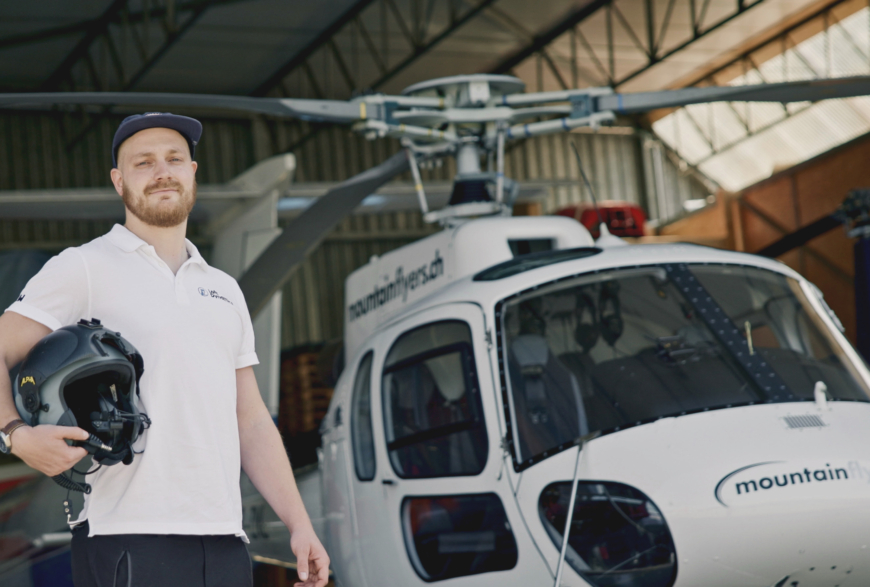
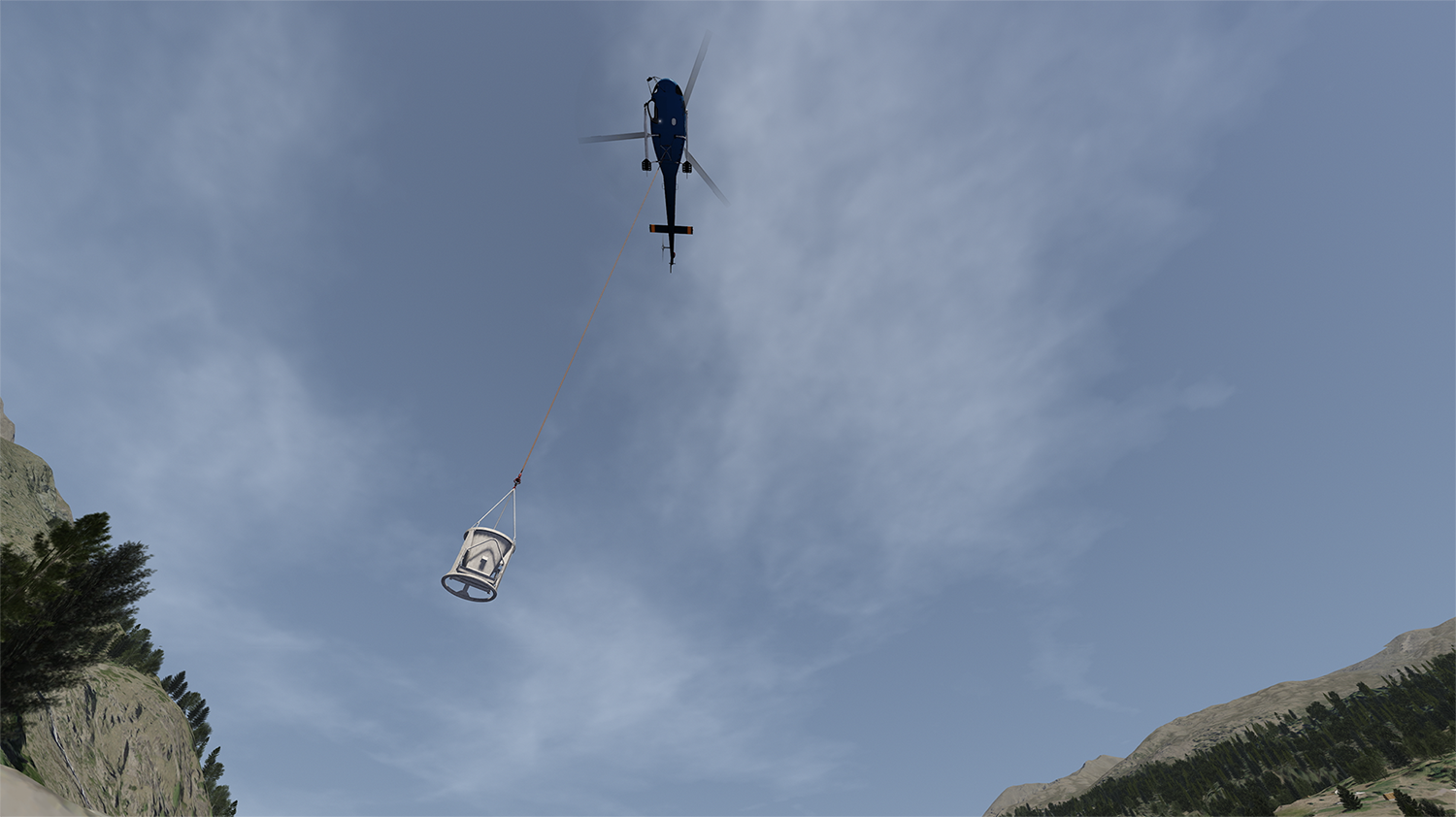
A rope carrying a load beneath a helicopter is one example (HESLO).
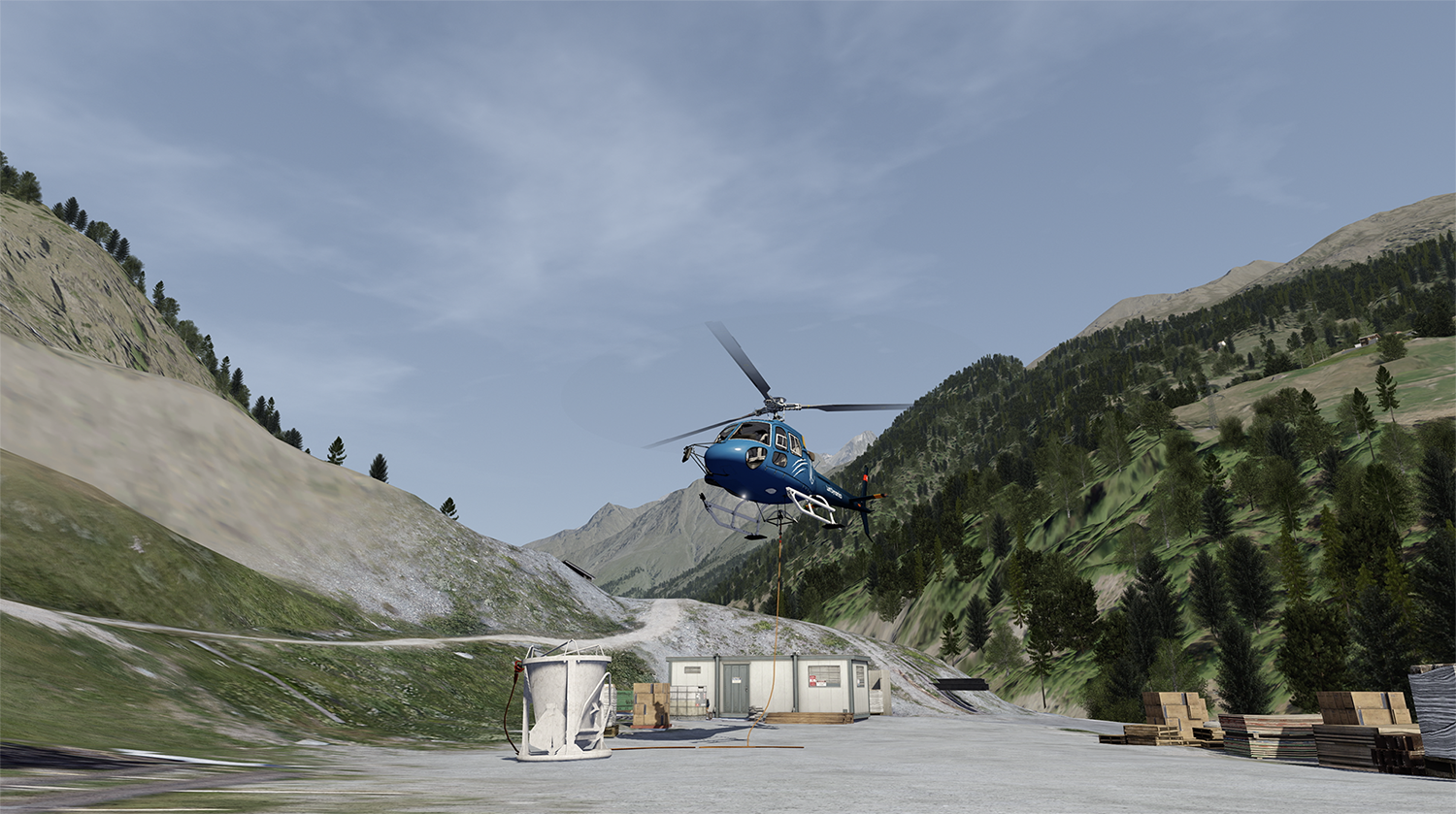
On screen, it may look like just a rope. But its movement depends on the weight of the load, the forces created as it swings and the way those forces affect the helicopter. Every element needs to interact convincingly, while serving a meaningful training purpose.
“Something can look very simple, but many things need to work together behind it,” Carlota explains.
From training surgeons to training pilots
Before joining Loft Dynamics a year ago, Carlota spent seven years developing medical simulators at VirtaMed.
There, her work helped create environments in which medical professionals could practise procedures using surgical instruments and realistic simulations of human tissue.
The move from medical simulation to aviation may sound like a dramatic change. For Carlota, however, the two fields share the same fundamental purpose.
In both cases, a professional interacts with physical hardware while software creates a responsive, realistic training environment. The simulated anatomy, cockpit or aircraft system may be different, but the responsibility behind the technology remains remarkably similar.
The experience must behave convincingly. It must respond accurately to the user’s actions. Most importantly, it must help someone build practical skills before applying them in the real world.
“You have a person interacting with hardware, and the software has to create an experience that helps them train,” she says.
In medical simulation, that means giving doctors an opportunity to practise demanding procedures without putting a patient at risk. In aviation, it means enabling pilots to experience complex scenarios and practise critical procedures in an immersive, safe and repeatable environment.
For Carlota, technology is not the final destination. Learning is.
When research becomes an immersive experience
One of the things Carlota enjoys most about her role is the opportunity to explore unfamiliar challenges.
Before she can recreate a behaviour or interaction in the simulator, she first needs to understand how it works in the real world. That means researching the topic, asking questions and collaborating closely with aviation specialists and colleagues across different disciplines.
She then translates that understanding into software, tests the result and refines it until the experience behaves as intended.
“I enjoy starting with something I do not yet know, learning how it works and then implementing it,” she says. “When you finally experience it in the product, you can say: I helped build this.”
For Carlota, that combination of continuous learning and visible impact is one of the most rewarding parts of graphics software engineering.
Great engineering starts with conversation
Software engineering is sometimes imagined as a solitary profession. Carlota sees it differently.
Her work connects her with hardware engineers, other software teams, 3D artists, product stakeholders and aviation testers. Testers provide detailed knowledge about how the aircraft should behave. Hardware teams ensure that physical cockpit components communicate with the software. Other developers create the underlying systems on which the visual experience depends.
“You cannot develop these things alone,” she says. “You need to understand what other people are doing, ask questions, show your work and bring everything together as a team.”
For Carlota, communication is not separate from engineering. It is what makes good engineering possible.
Curiosity, expressed through code and clay
Carlotas curiosity has been part of her life since childhood. Her father, who is also an engineer, regularly took her and her brother to a science museum. At home, curiosity and problem-solving were encouraged equally. Her mother studied art, introducing another influence that would shape Carlotas visual and creative instincts.
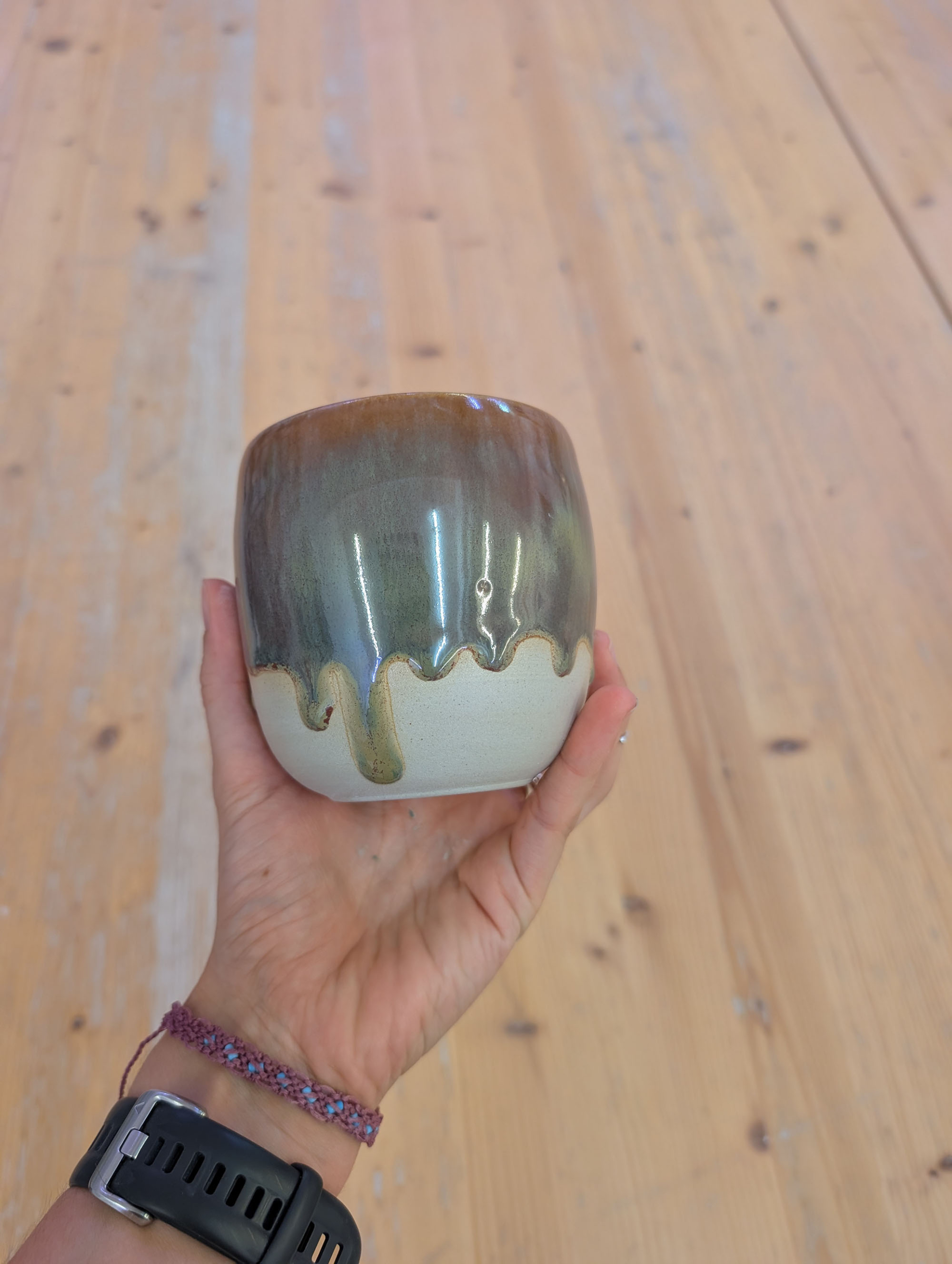
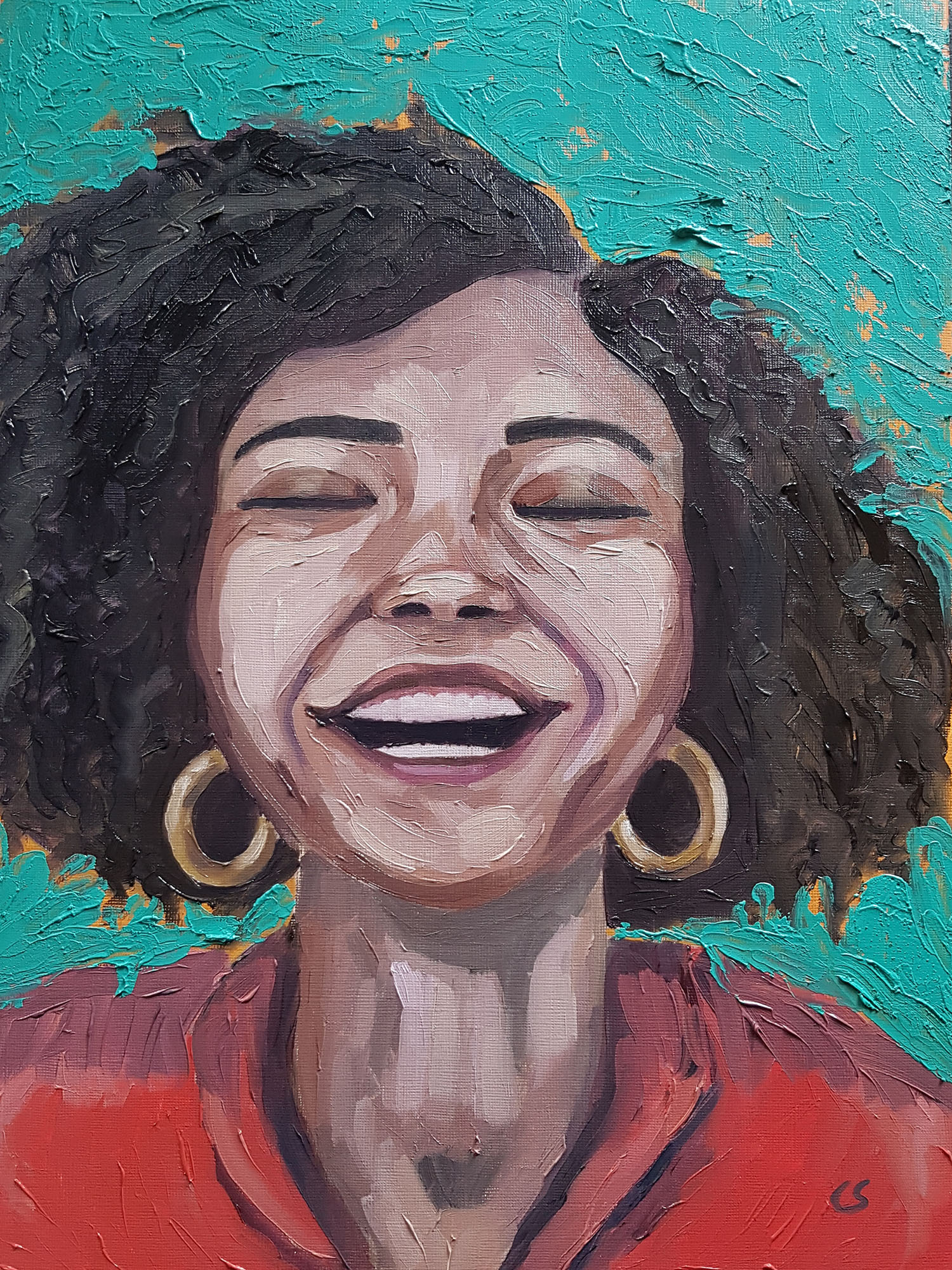
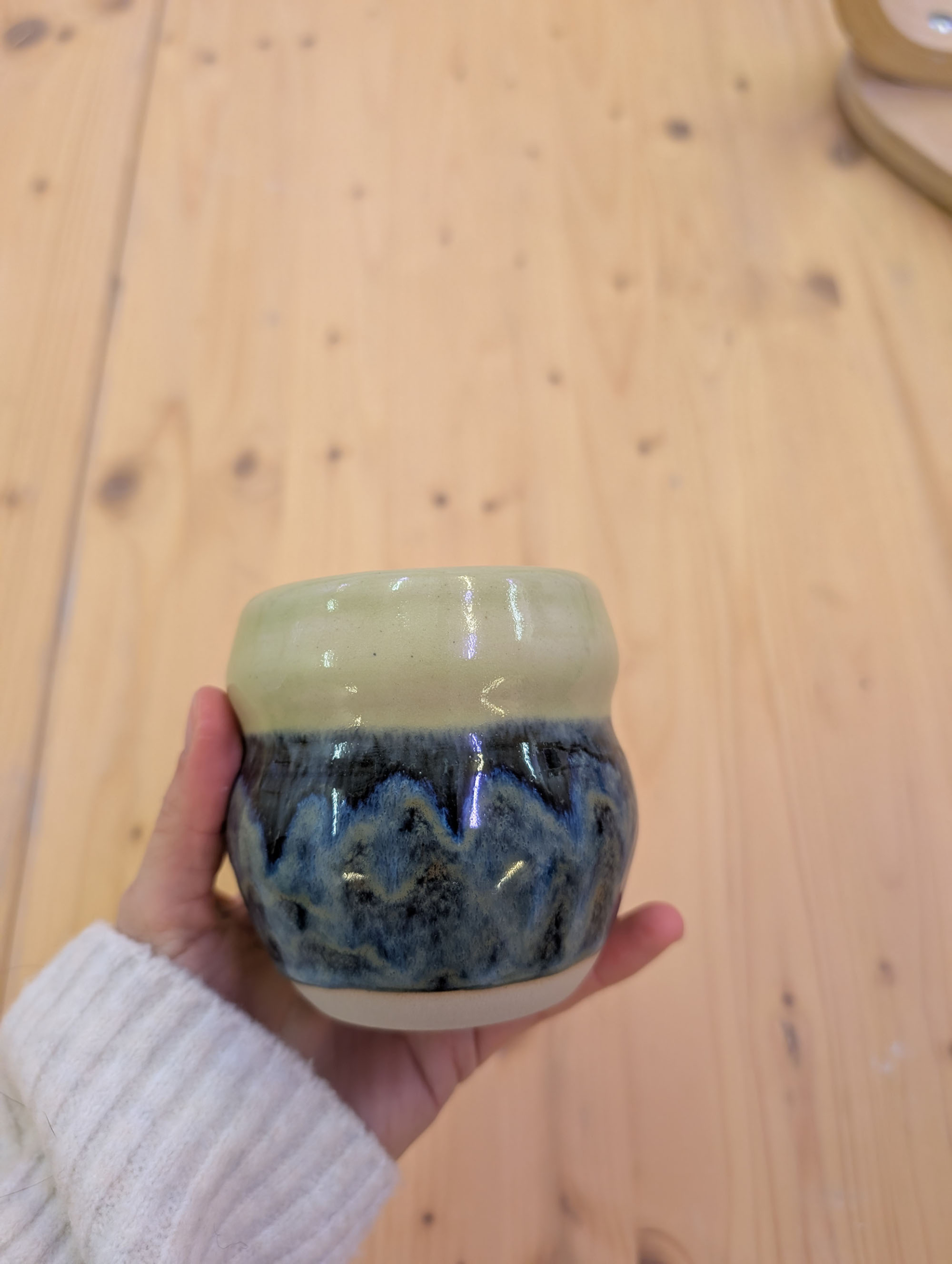
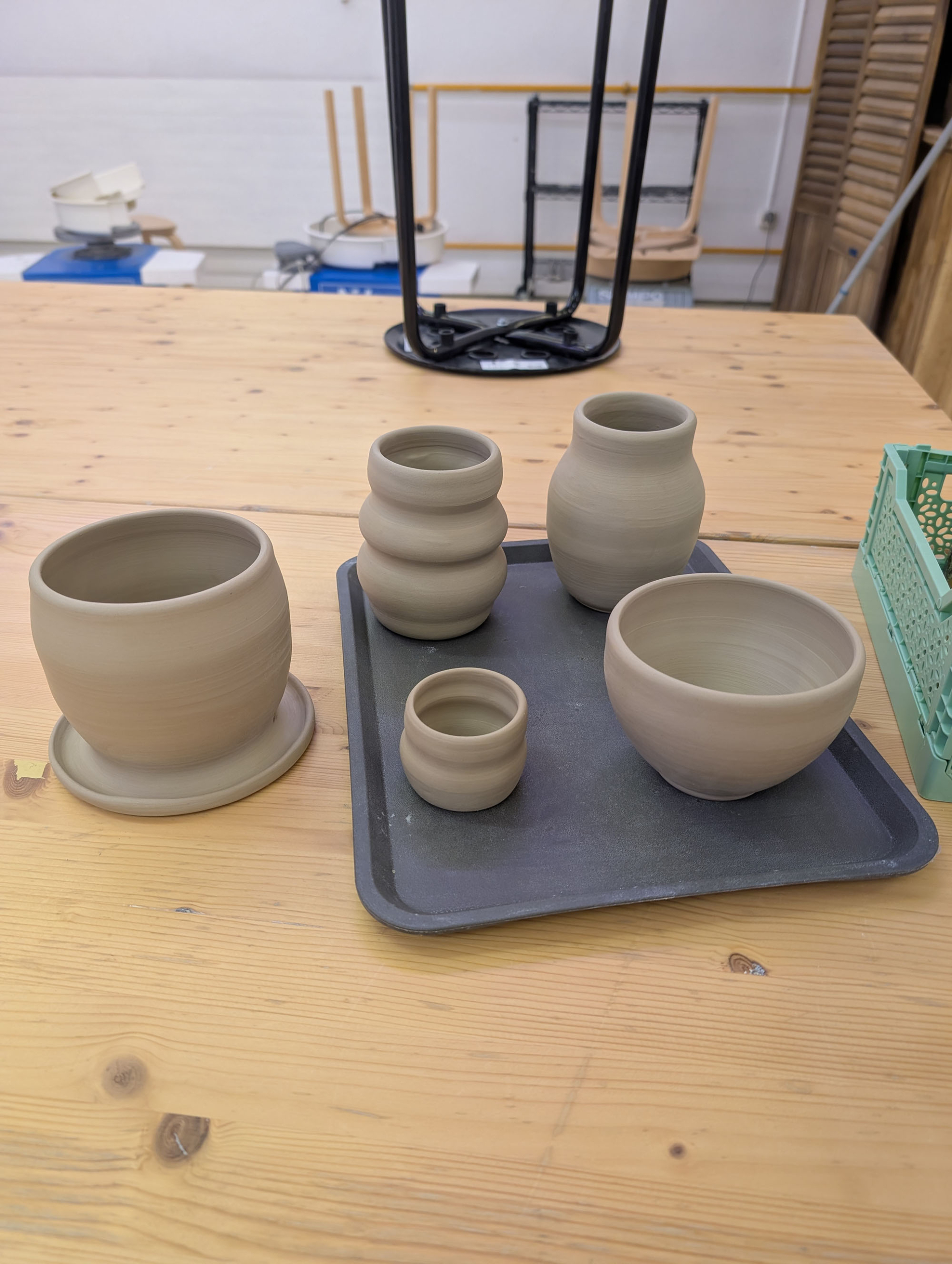
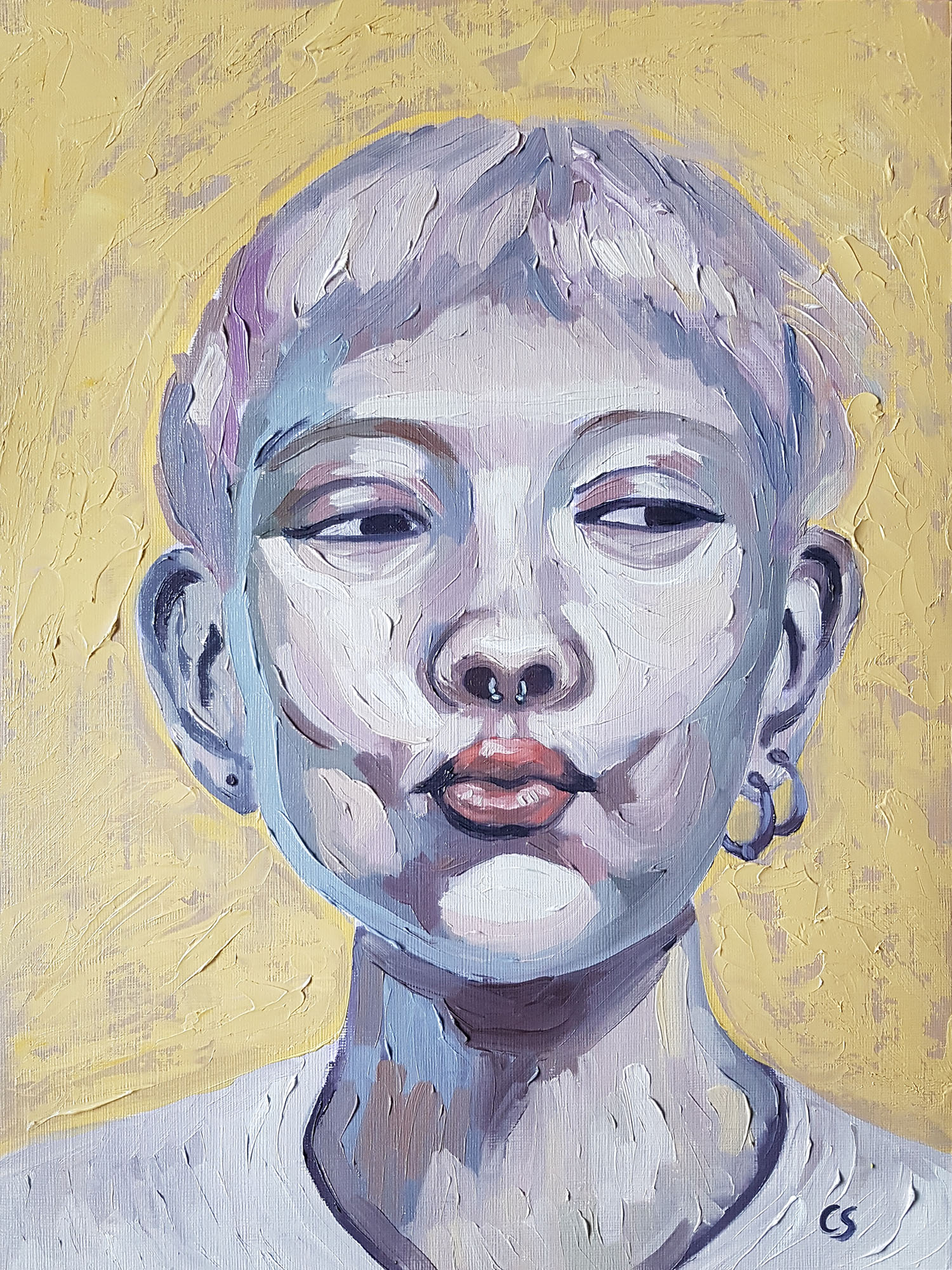
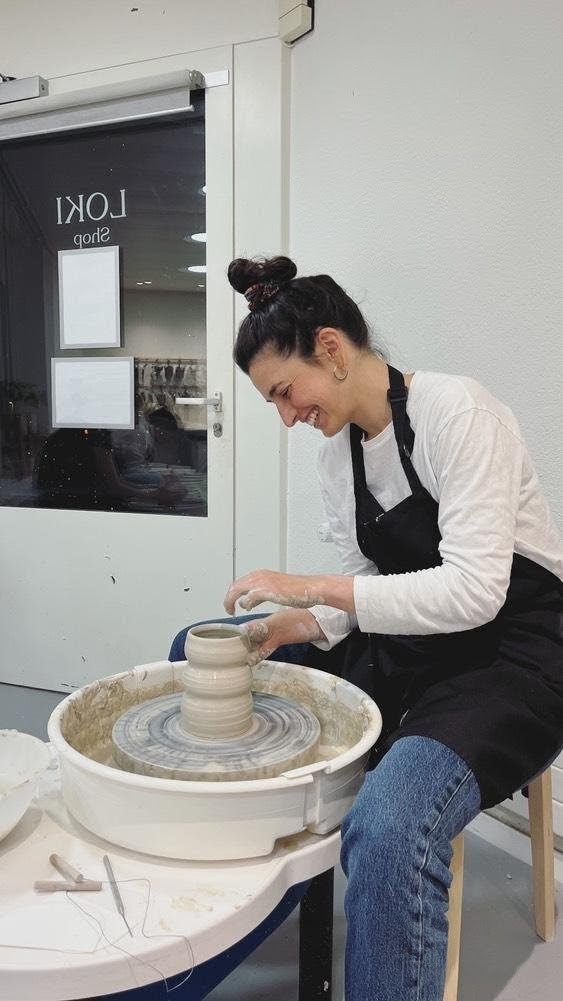
Today, she continues to explore both sides of her personality. Outside work, she paints, dances and creates pottery. Some of her creative work can be explored on carlotasoler.art.
She is drawn to activities in which progress emerges gradually through focus, experimentation and practice. The connection to her work is easy to see. Whether she is shaping clay or building a virtual cockpit experience, she combines technical understanding with creativity and a strong visual instinct.
Her advice to young women considering software engineering is equally direct:
“Do not be scared of being a little different. If you enjoy it, go ahead. You may bring something that other people cannot.”
Building confidence before it matters
Pilots using a Loft Dynamics simulator may never see the code behind the sunlight, switches, wires or hydraulic systems. That is precisely the point. When all the individual elements work together, the technology fades into the background. Pilots can focus on the situation, practise critical procedures and build proficiency in an immersive environment.
For Carlota, every corrected visual, responsive button and realistically behaving system contributes to that larger purpose.
From surgeons preparing for an operation to pilots preparing for the unexpected, the goal is the same: creating a place where people can practise, learn and build confidence before the real moment arrives.
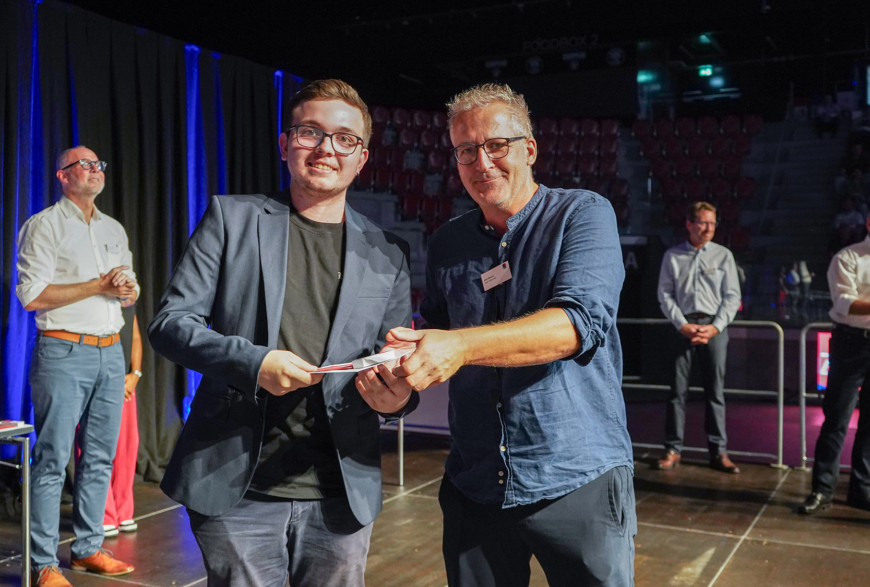
We are happy to have you in our team Carlota! Thanks for your contribution to making our Simulator better!