A decade ago, Loft Dynamics started as a side project built by a small team of engineers experimenting with what VR could make possible in aviation. Today, that experiment has reshaped how pilots train around the world. This is the story of how it happened—and what comes next—from Loft Dynamics’ founder, Fabi Riesen
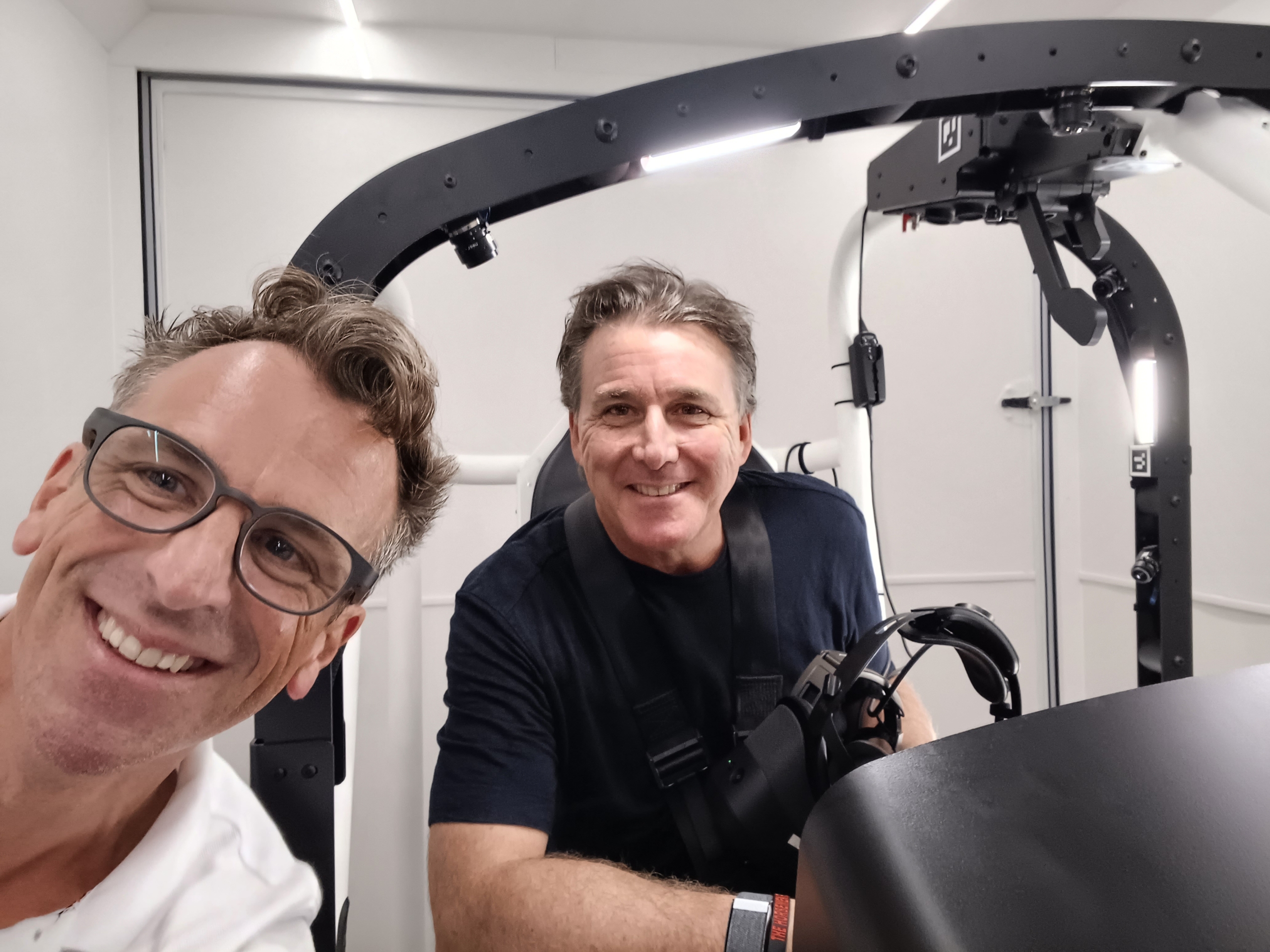
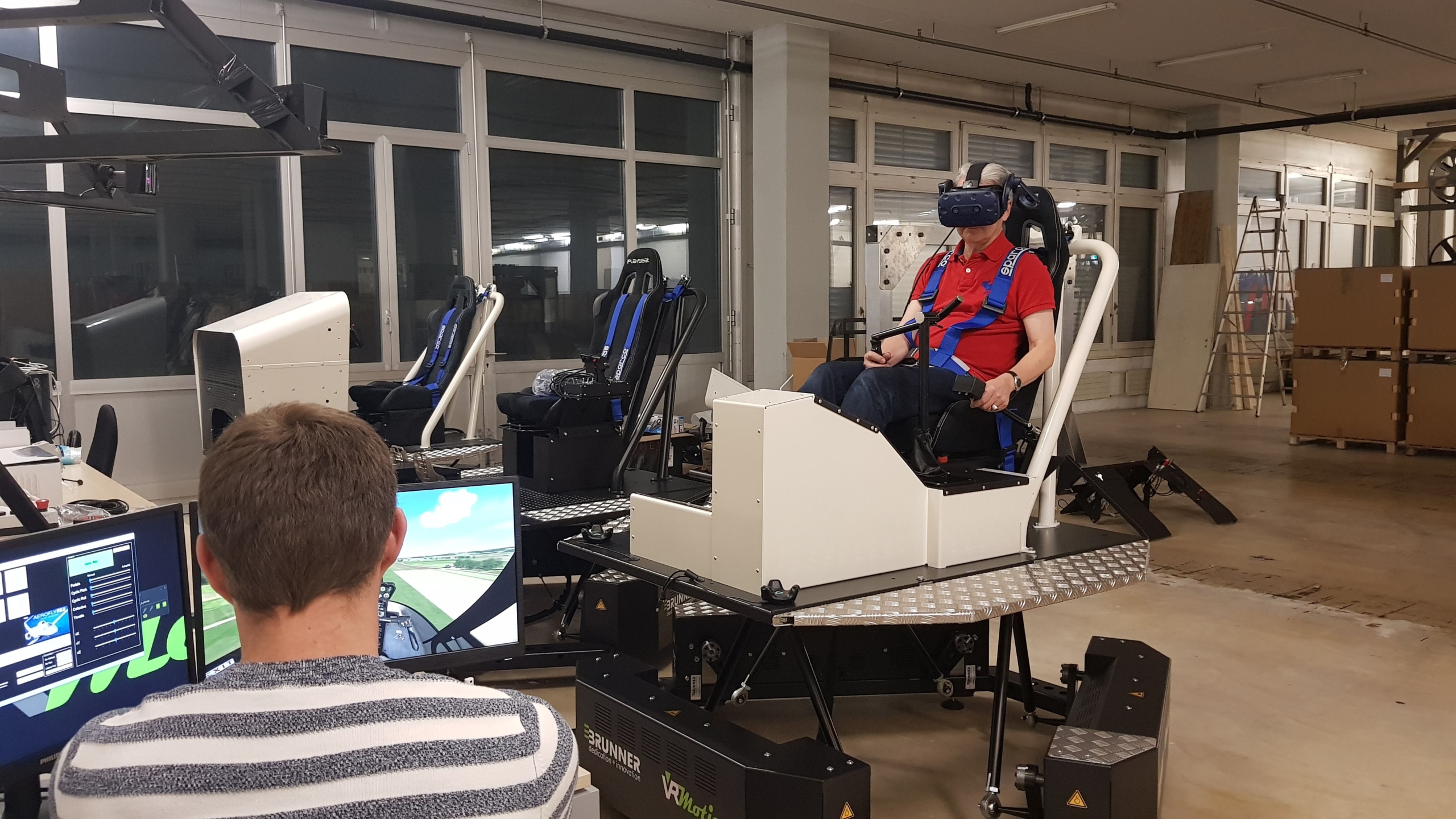
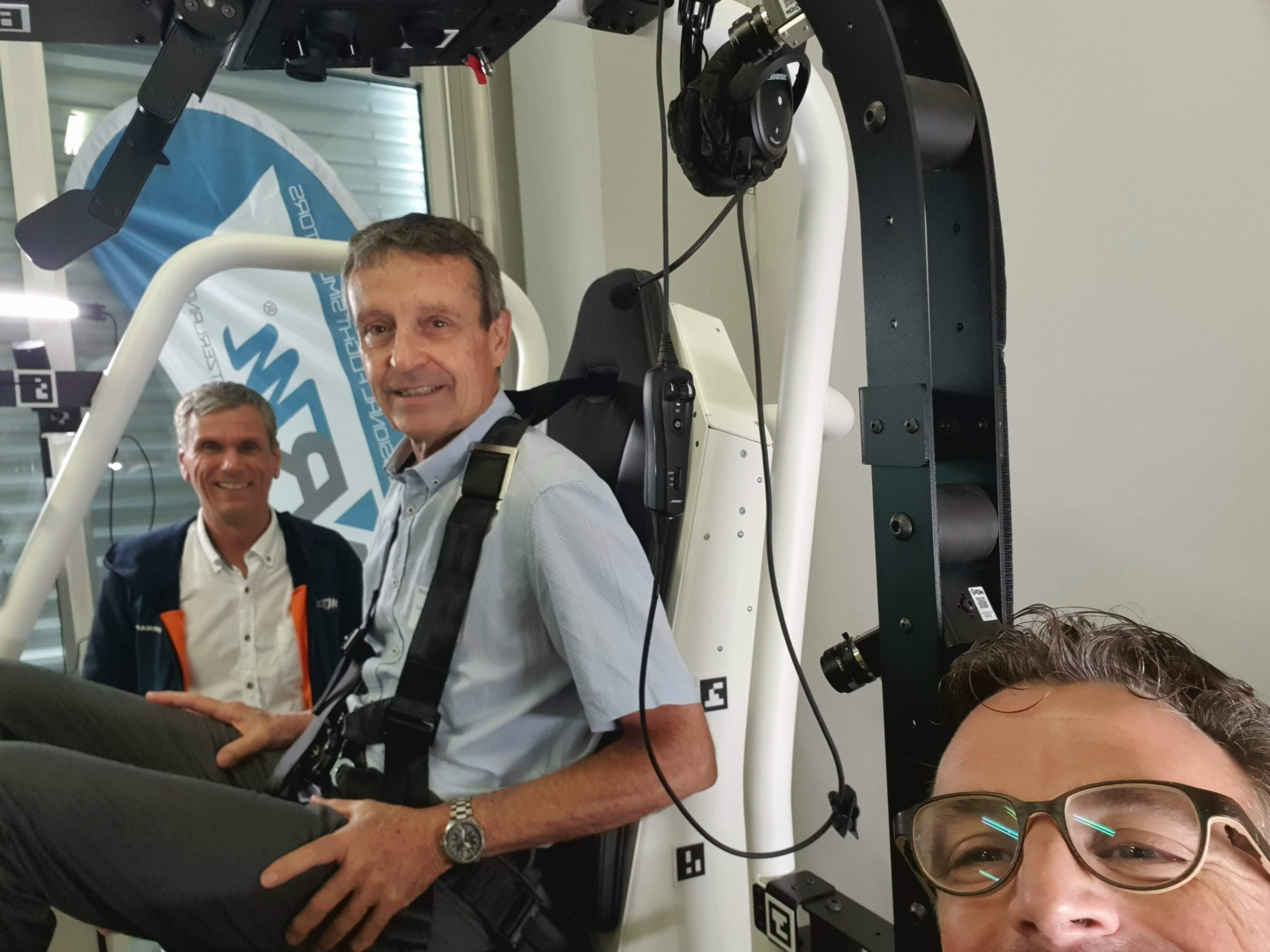
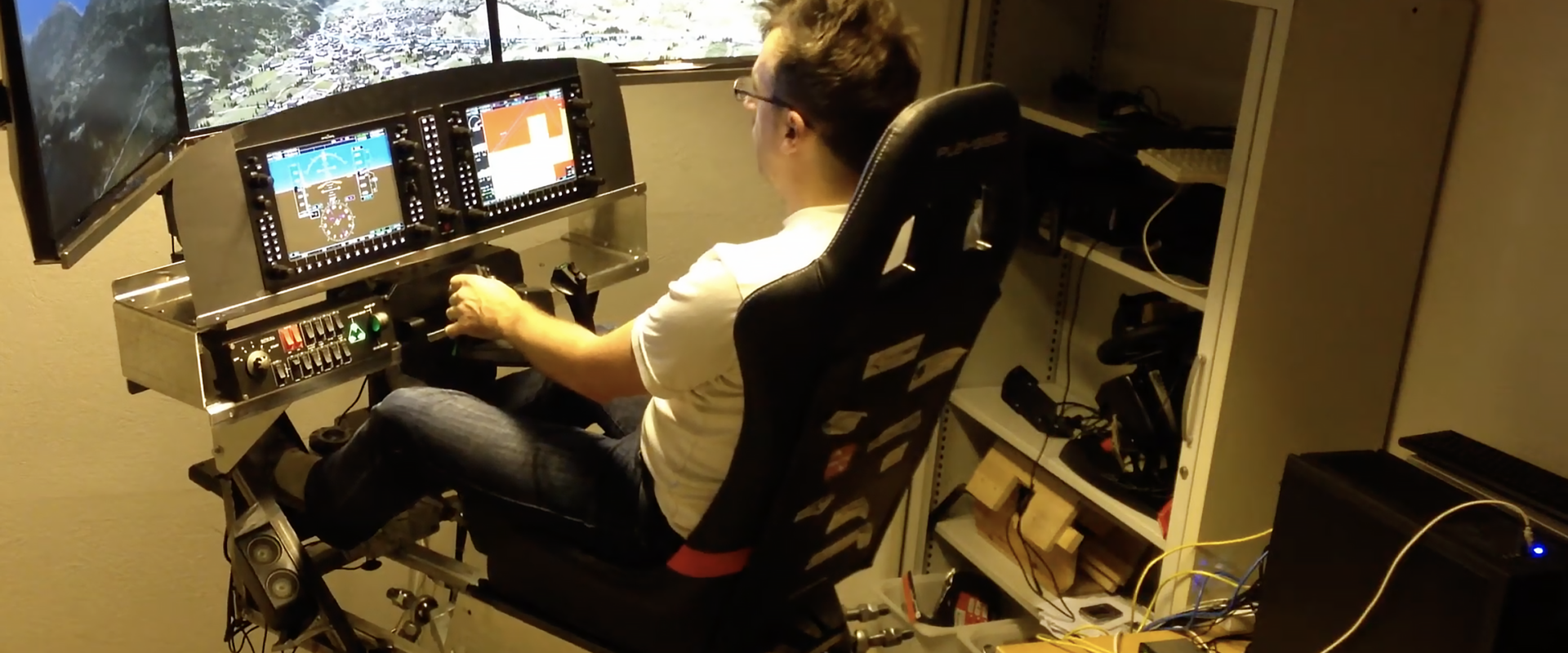
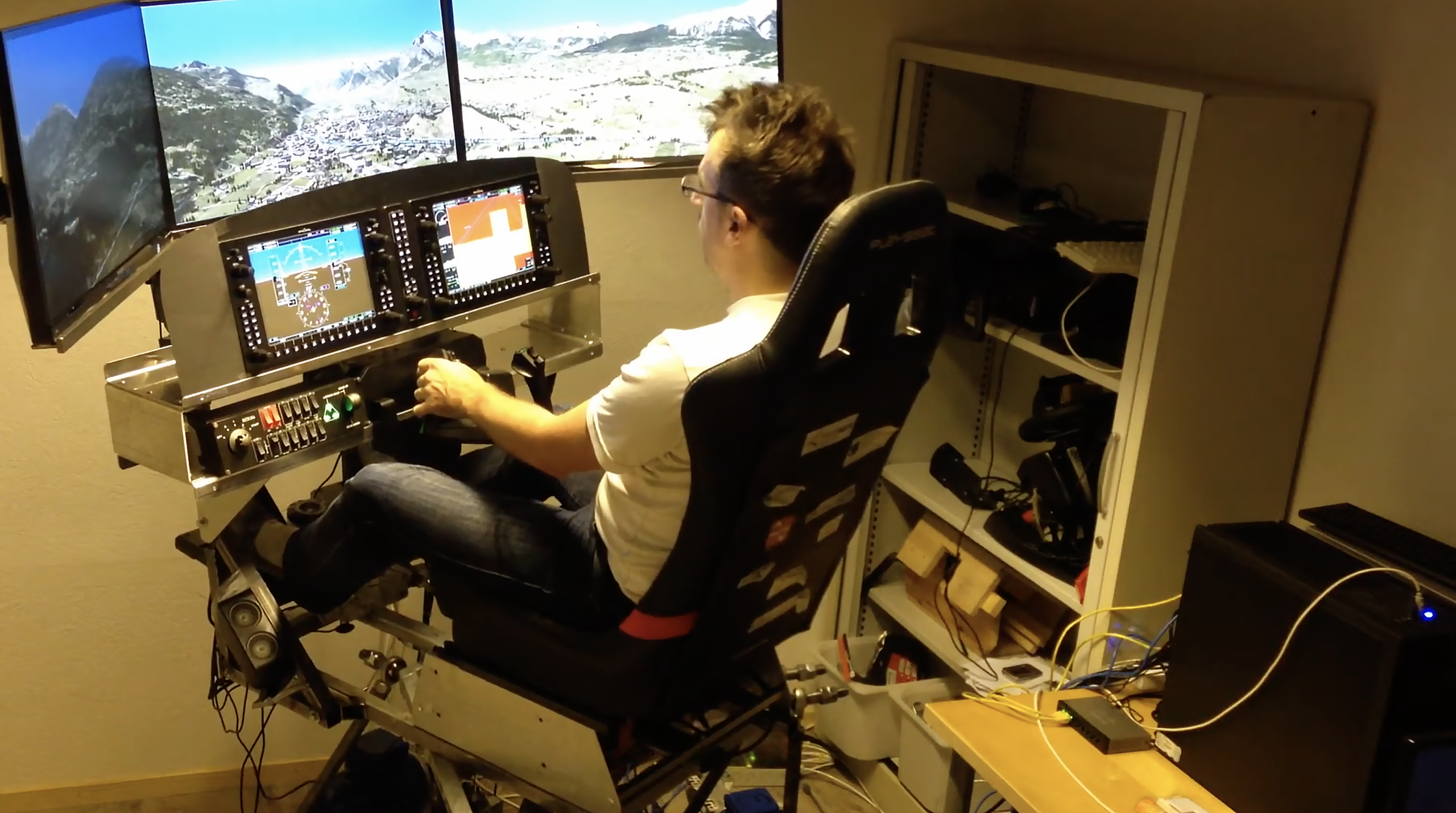
Ten years ago, our first “simulator” didn’t look like much. It was built in my living room in Zurich—surrounded by wires, sensors, and more noise than my family had probably signed up for. At the time, I was working as an engineer at Cisco Systems and flying helicopters as a hobby. I wasn’t trying to start a company. I’d just tried a new VR headset and had a simple thought: This could solve a lot of problems in aviation simulation.
That was it. No business plan. No market study. No roadmap. Just a few engineers, a lot of curiosity, and a desire to build something we believed in. This is our story.
Why VR?
Traditional flight simulators are massive, expensive, and surprisingly limited. If you’re hovering in a helicopter and need to look down—at a windsock or a sling load—you naturally lean forward and peer out the window. But in a traditional full flight simulator, leaning forward just brings your face closer to a screen. It breaks the illusion.
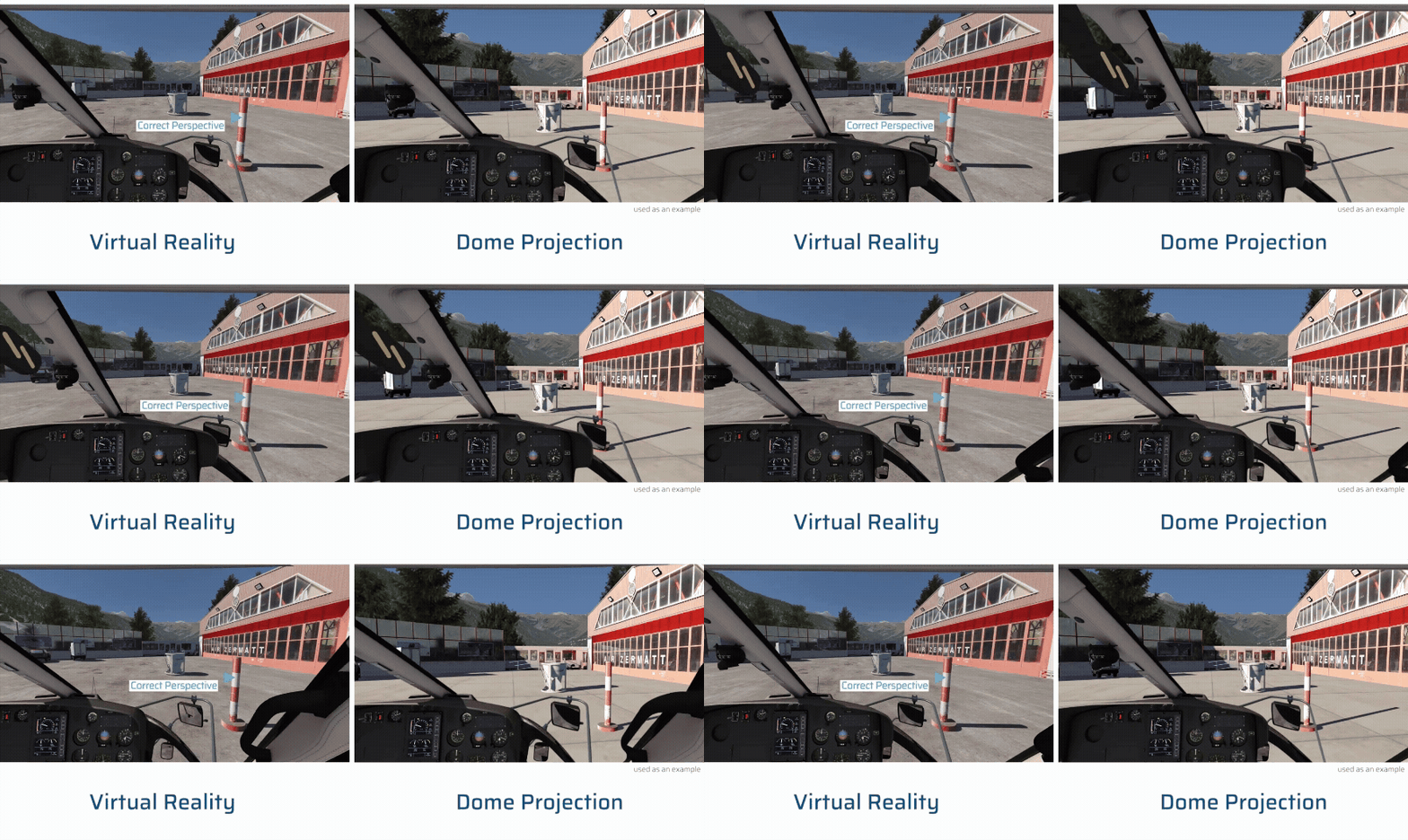
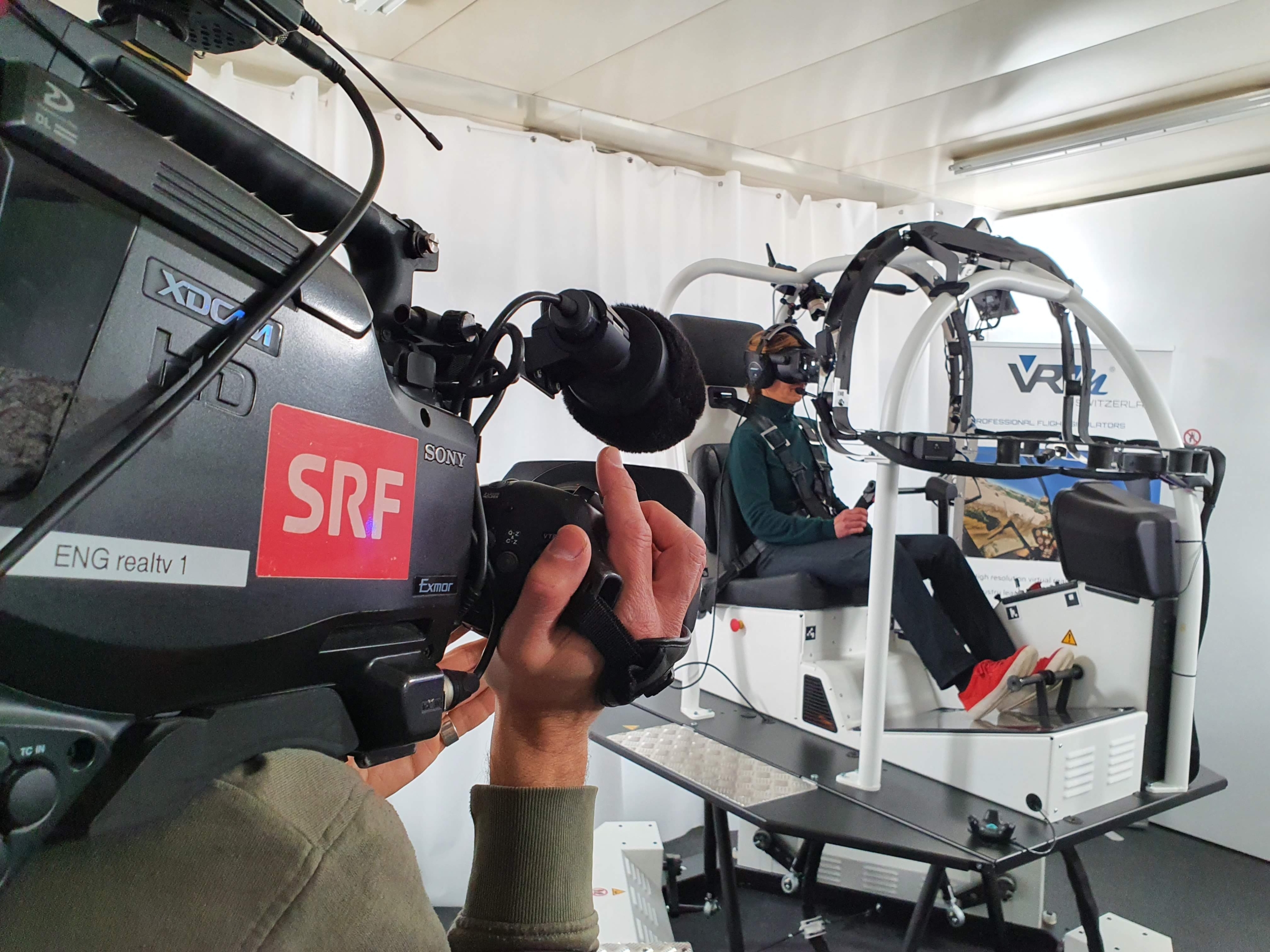
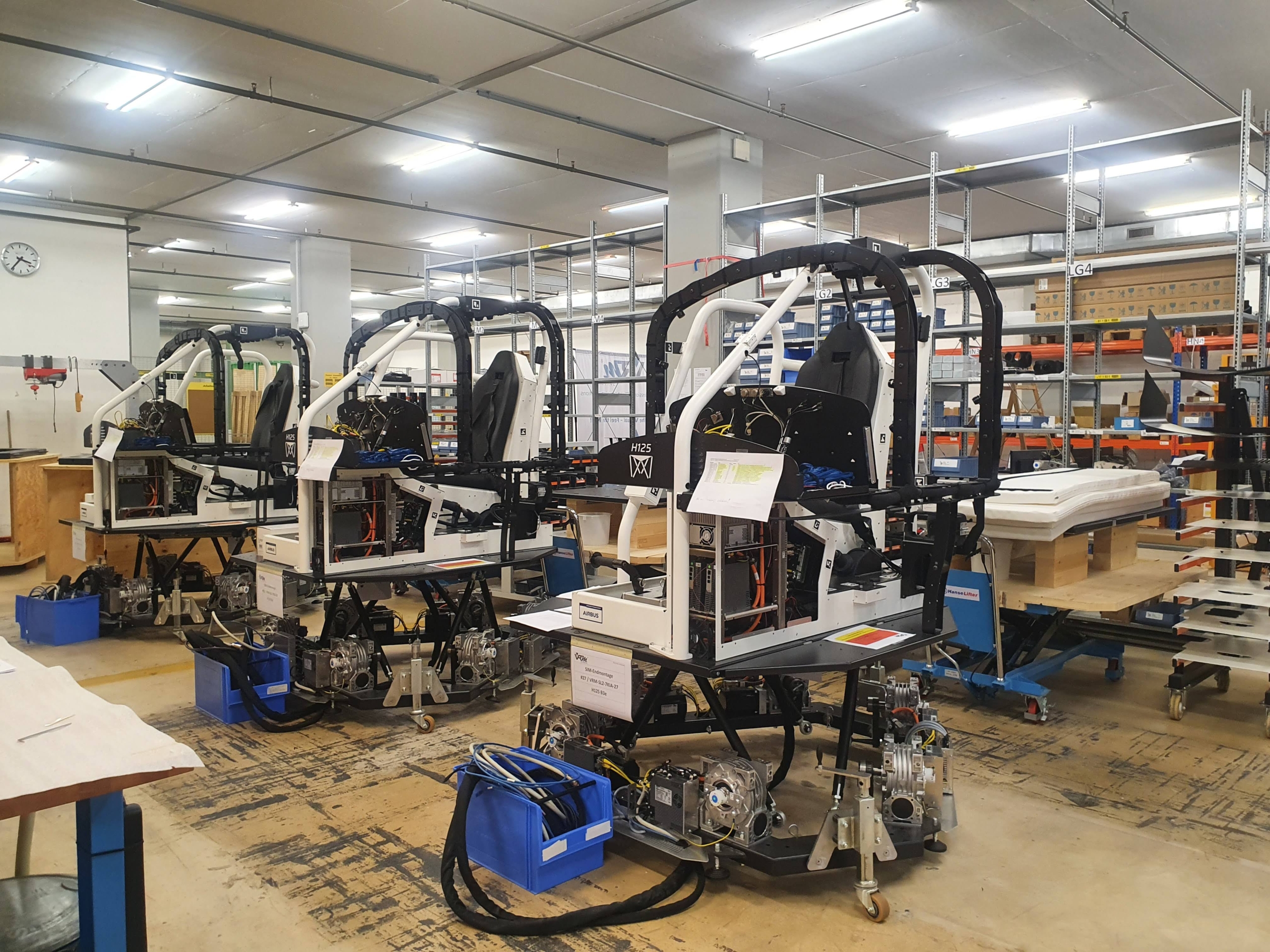
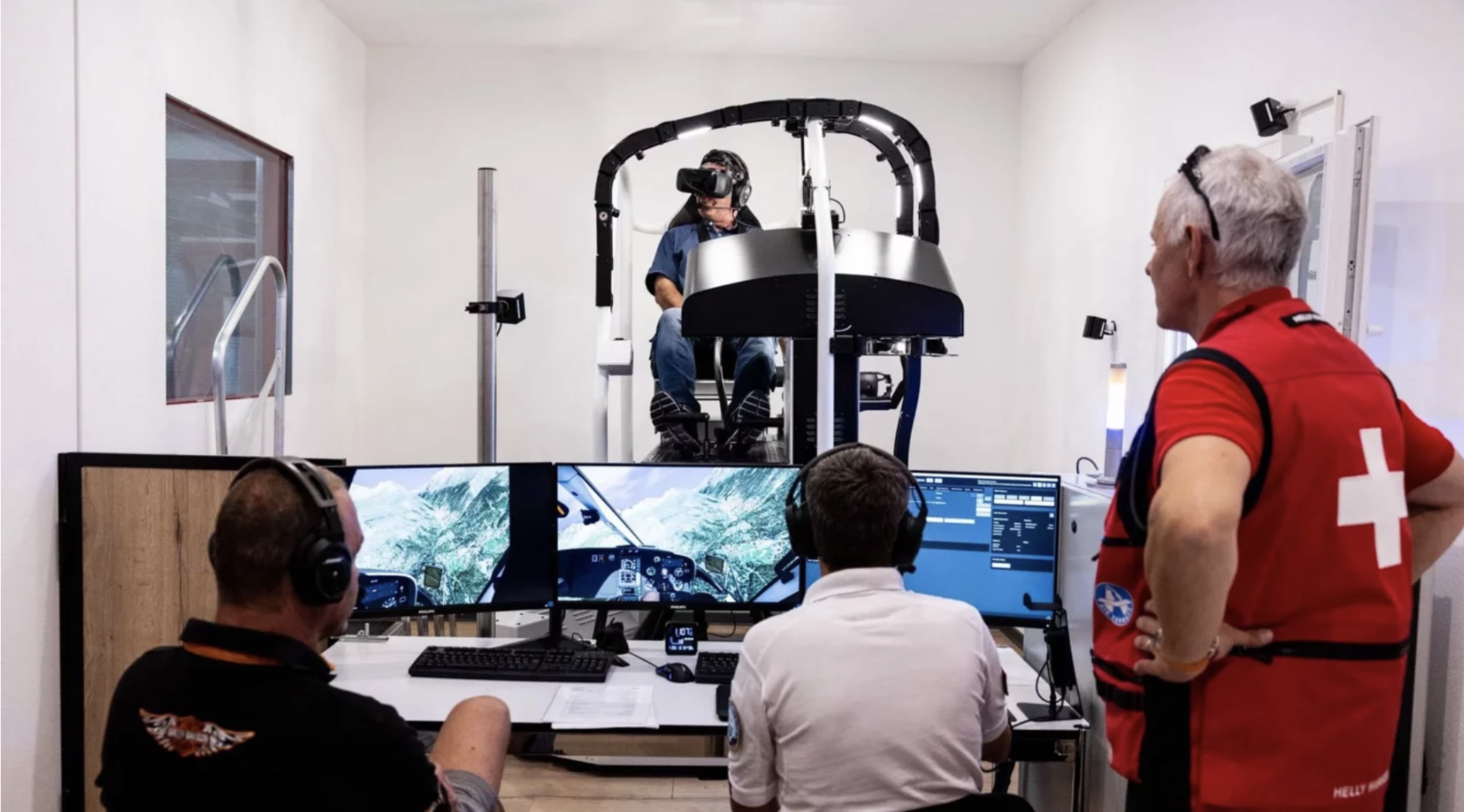
With VR, that limitation disappears. You can move naturally, look around freely, and train in a way that actually mirrors real flight. Something else became clear in those early days. I don’t live in a castle, so I couldn’t have built a traditional flight simulator—a lumbering dome you’ll typically find in hangars and warehouses—in such a small space. If we could build a simulator in a living room, we could make high-quality flight training far more accessible than anything that existed before.
From Side Project to Company
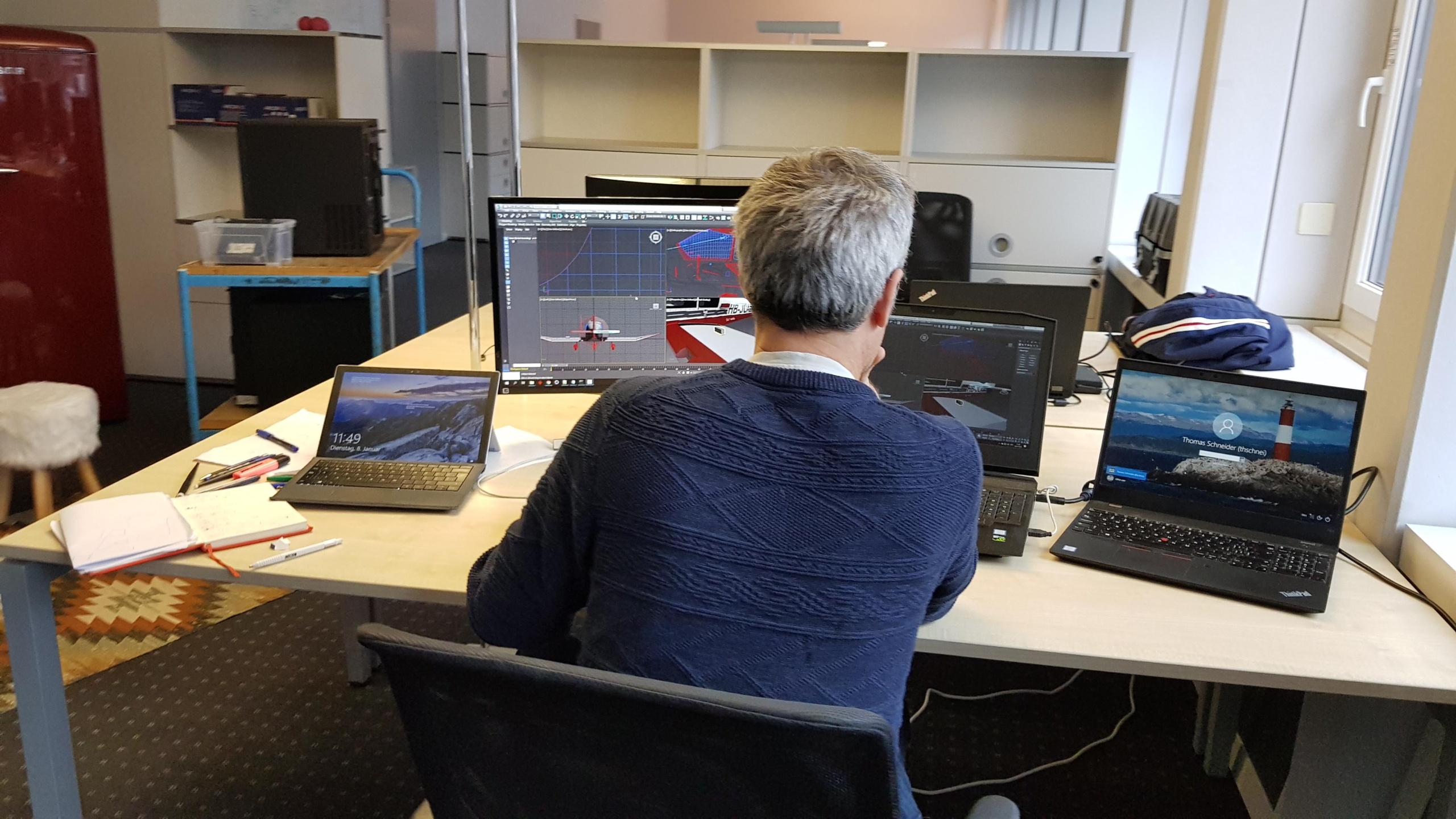
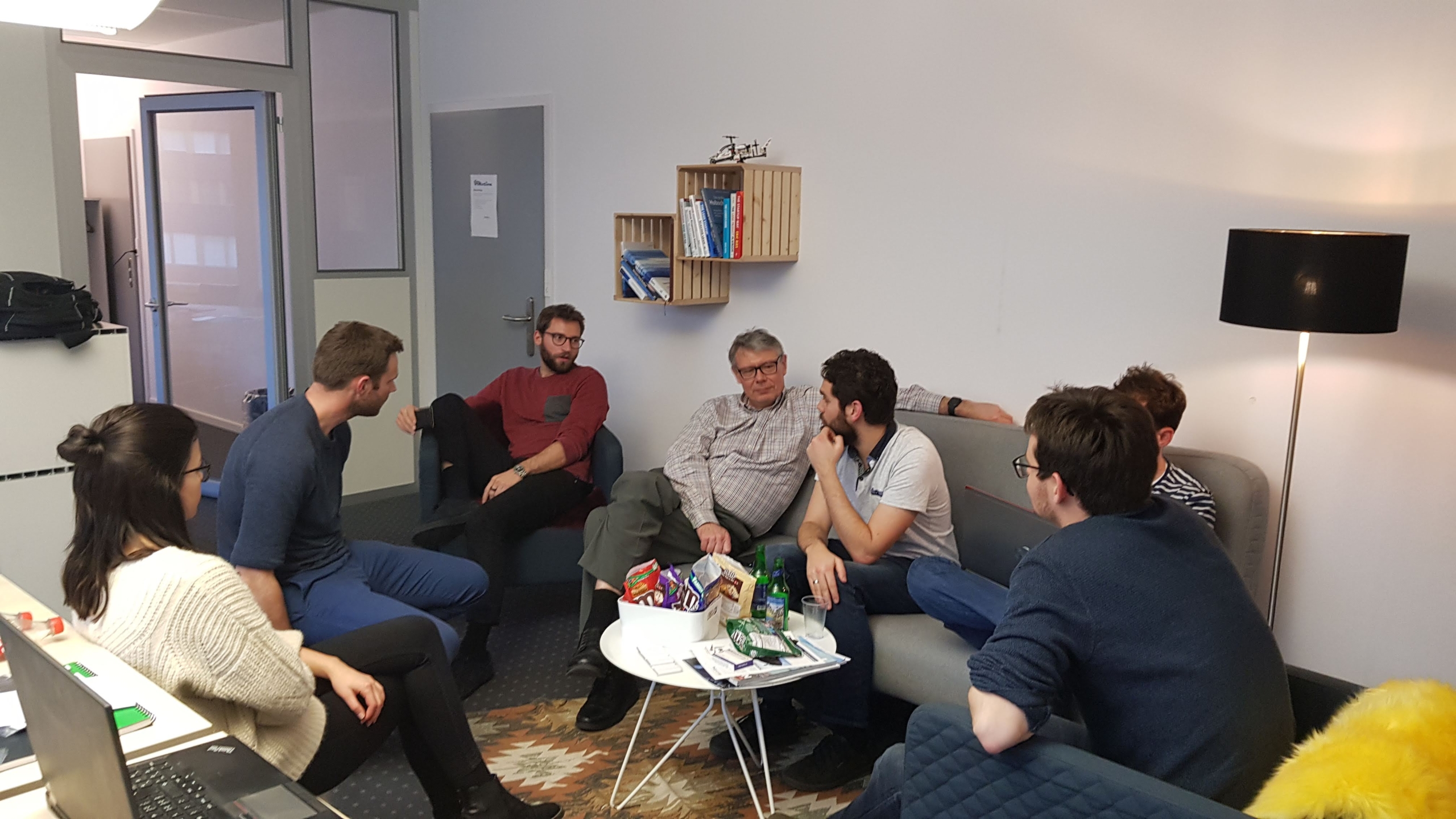
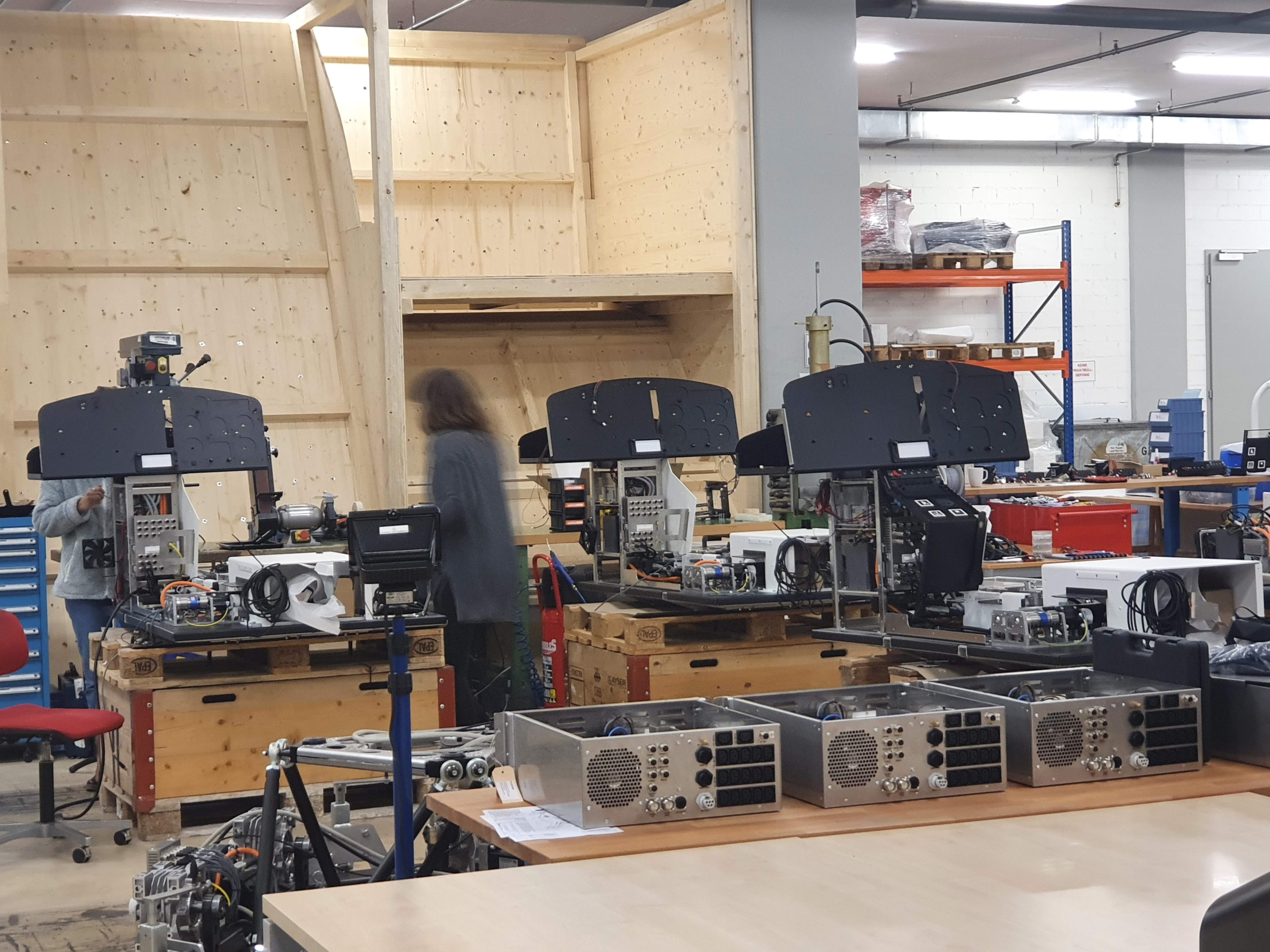
At first, this wasn’t a company. It was a side project. We worked with a small group of engineers and exceptional university students—people who brought fresh thinking and helped push the technology forward faster than I could have imagined. We built something that was more compact, more immersive, and in many ways, more effective than traditional simulators.
At the same time, the industry was facing a real challenge: accident rates weren’t improving, and training systems weren’t evolving fast enough. That’s when we realized this wasn’t just something cool. It was something the industry really needed. VR Motion—what would later become Loft Dynamics—was born.
The Call I Thought Was a Prank
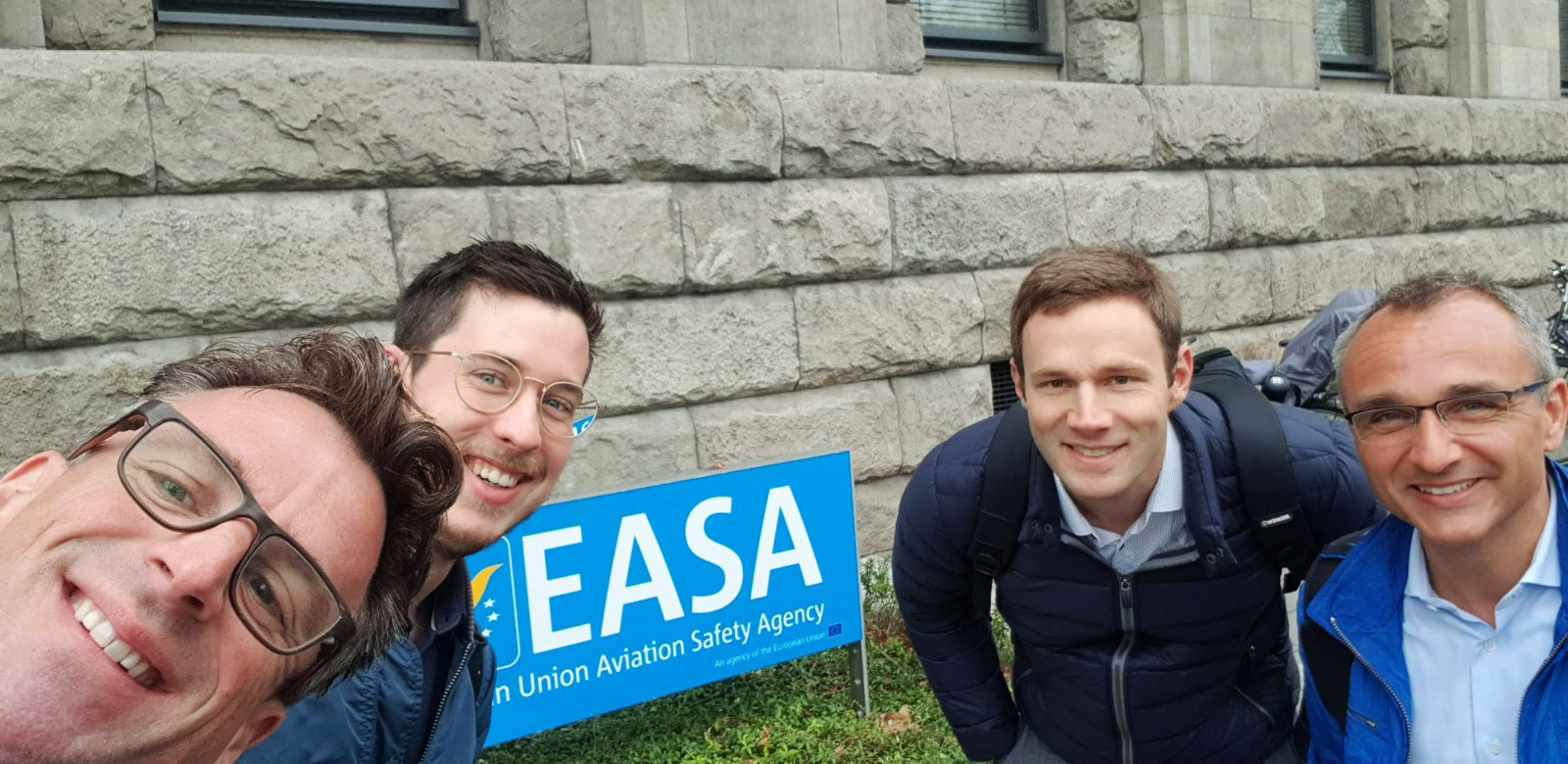
One of our earliest breakthroughs came from a YouTube video. We had uploaded a demo of our Robinson R22 simulator—nothing polished, just a look at what we were building. Shortly afterward, I got a call from the European Union Aviation Safety Agency (EASA). They wanted to visit. At first, I thought it was a prank. I asked them to send an email to confirm. Thirty minutes later, the email arrived.
A few weeks after that, I was standing in front of EASA officials in our office. Then EASA invited me to speak at a major rotorcraft symposium in Cologne. It was clear that VR simulators could play a critical role in improving safety by making high-fidelity, immersive flight training available to many more pilots across the continent—and eventually around the world.
At a time when regulators were searching for new ways to improve safety in aviation—and when the world was on the cusp of a severe pilot shortage—our modest team had solved a major market need.
Betting Everything (Right Before the World Shut Down)
By early 2020, we were approaching a critical moment. We had traction and momentum. We knew that if we wanted to take this seriously, we had to commit fully. So we did. We quit our jobs and dedicated ourselves to the company full-time.
Fifteen hours after I resigned from Cisco Systems, Switzerland went into lockdown due to COVID-19. It wasn’t exactly the timing we had planned. But it forced us to focus. It was like climbing a mountain after an avalanche washed out the trail behind us. All we could do was move forward. While there was no fallback, there were also no distractions. We could completely dedicate ourselves to the work in front of us.
Proving It Could Work
We knew the technology worked, but the question for the rest of the world was whether it could be trusted. The simulator would only matter if we could qualify it.
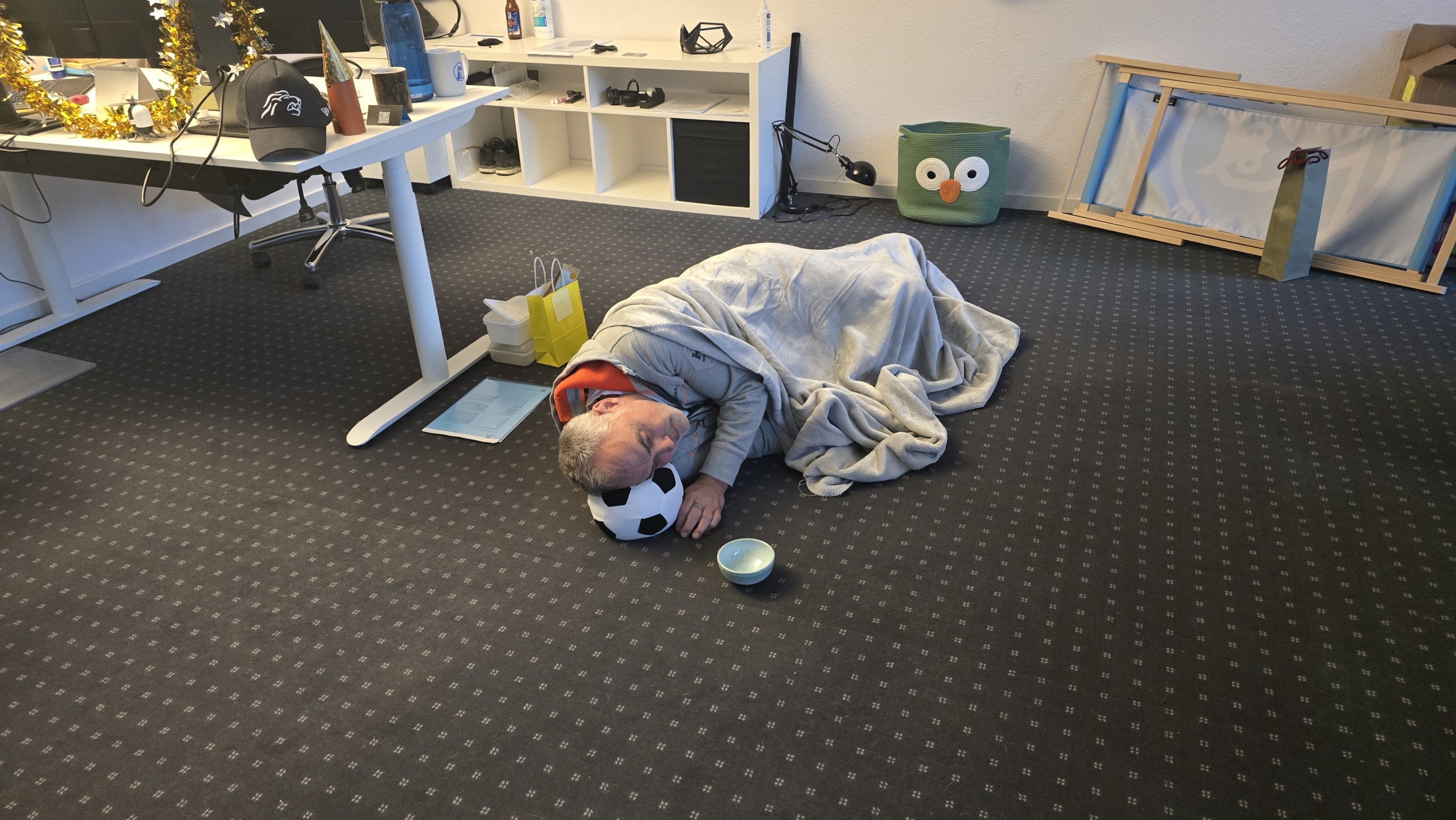
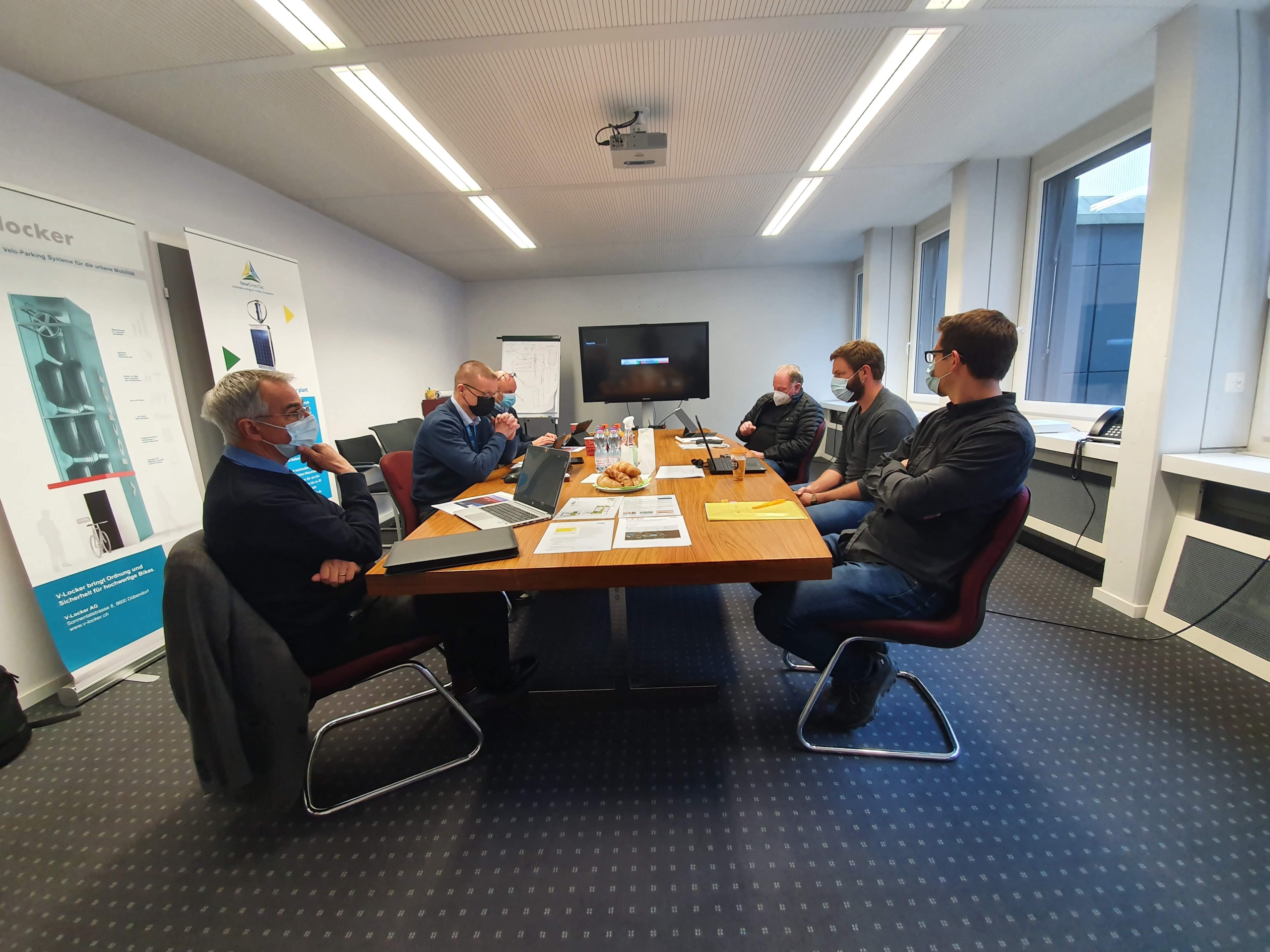
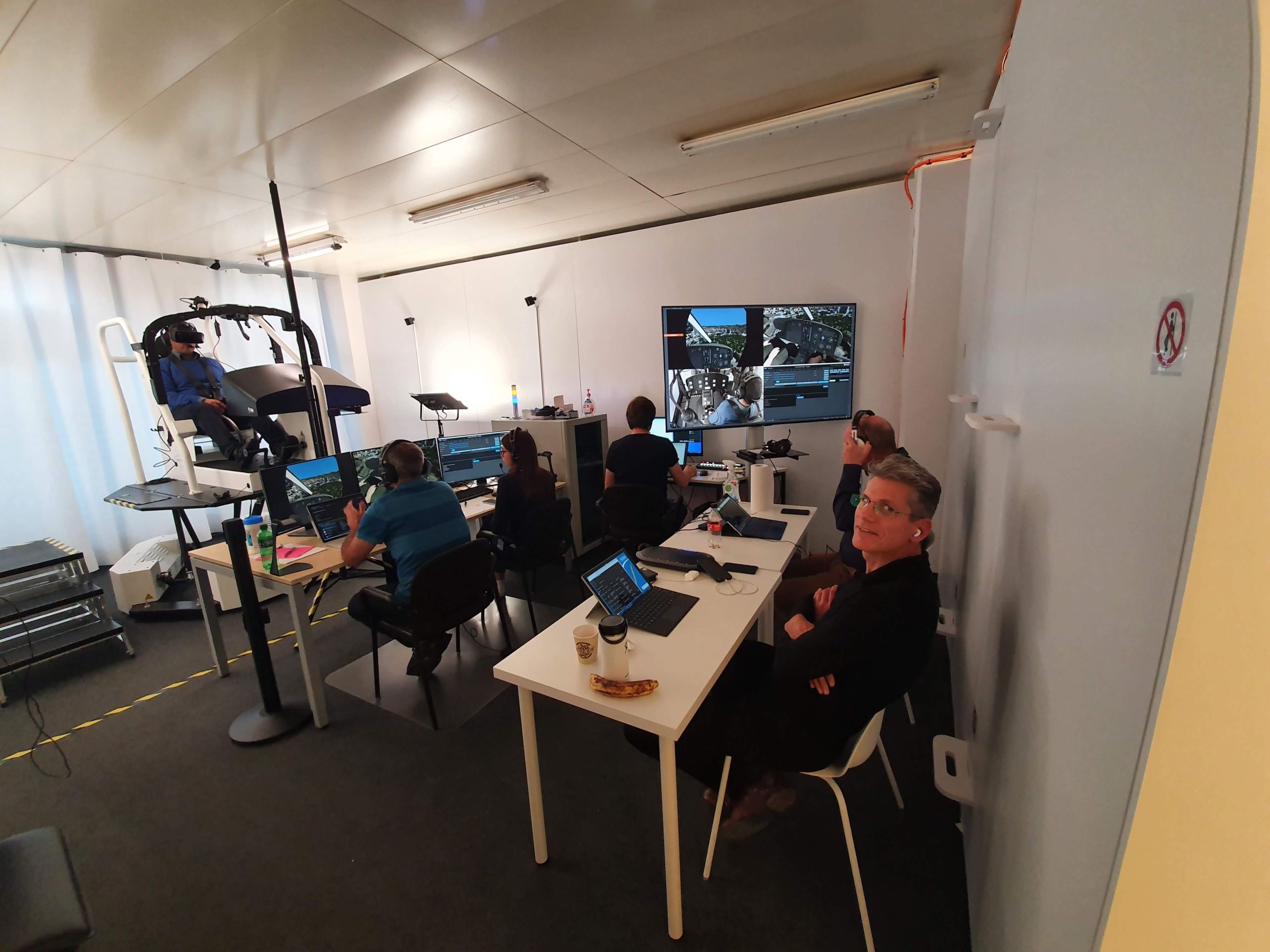
Together with EASA, we began working toward validation. We installed a simulator at the EASA office in Cologne for this purpose, but government buildings were closed due to the pandemic. So we built a second simulator at our HQ. Our version of working from home was sleeping (well, living) in the office. Then came the fly-out: sixty pilots flying the simulator for three hours each. It was time to determine whether our new approach to training could hold up under real-world conditions.
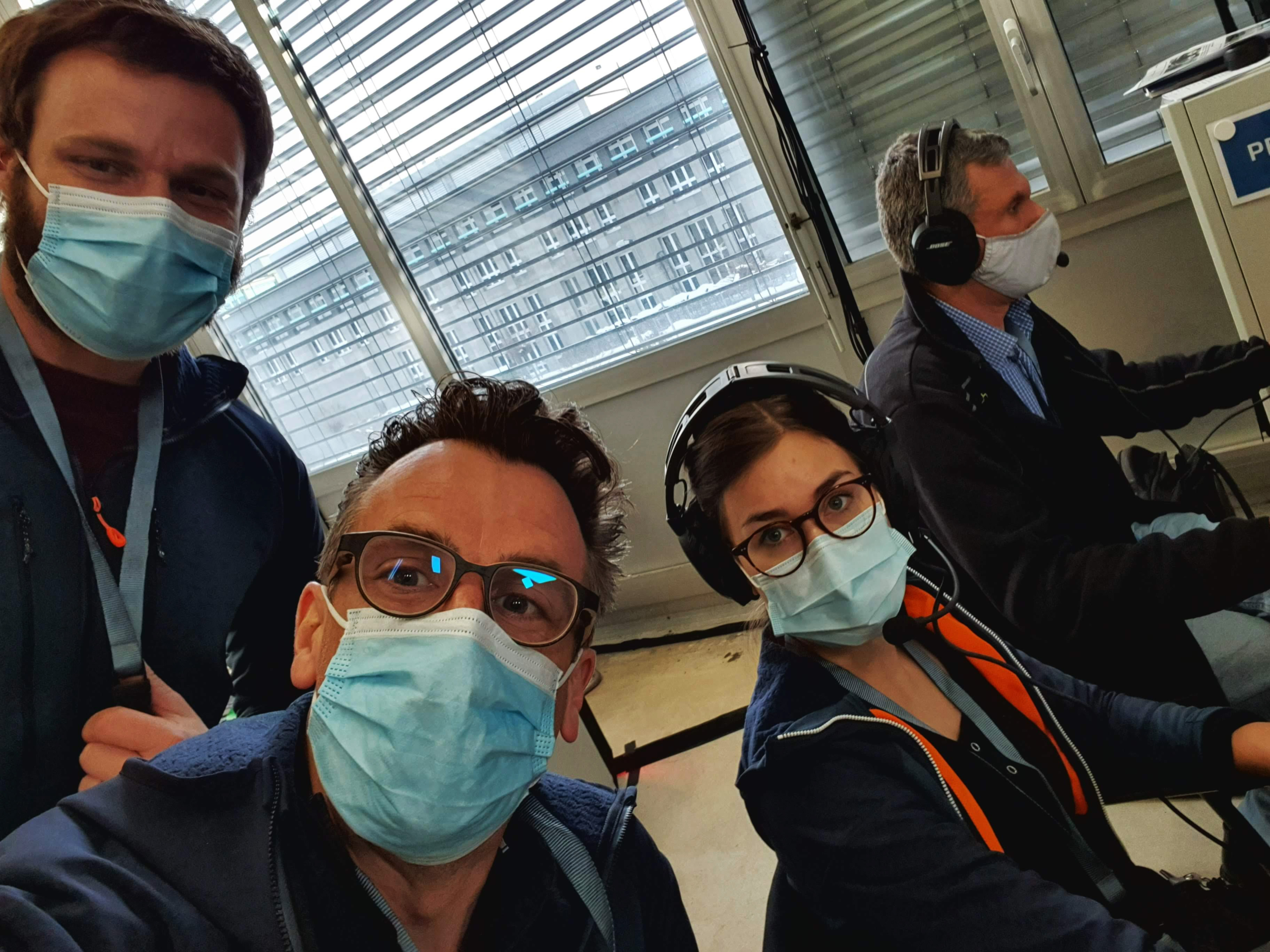
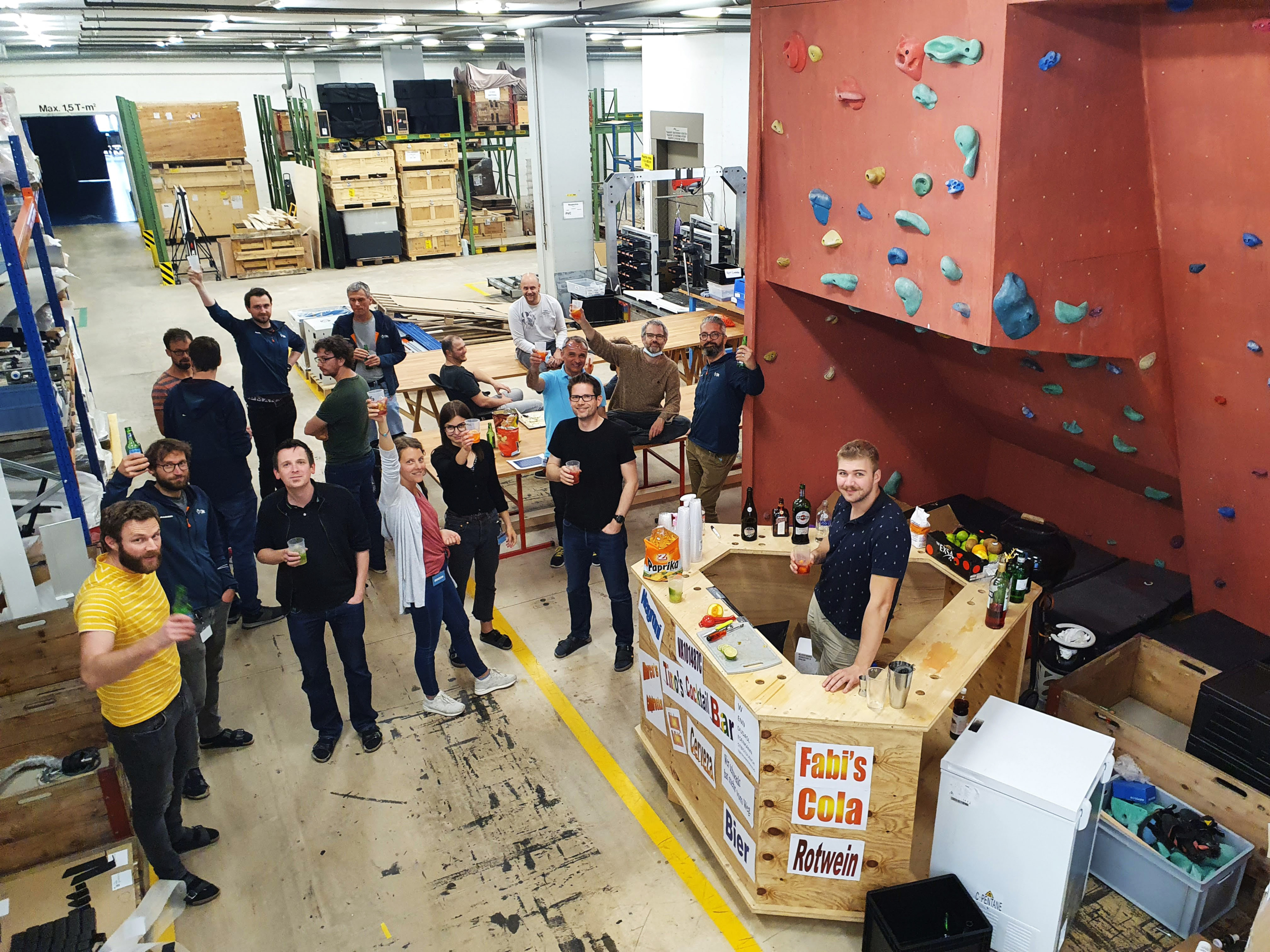
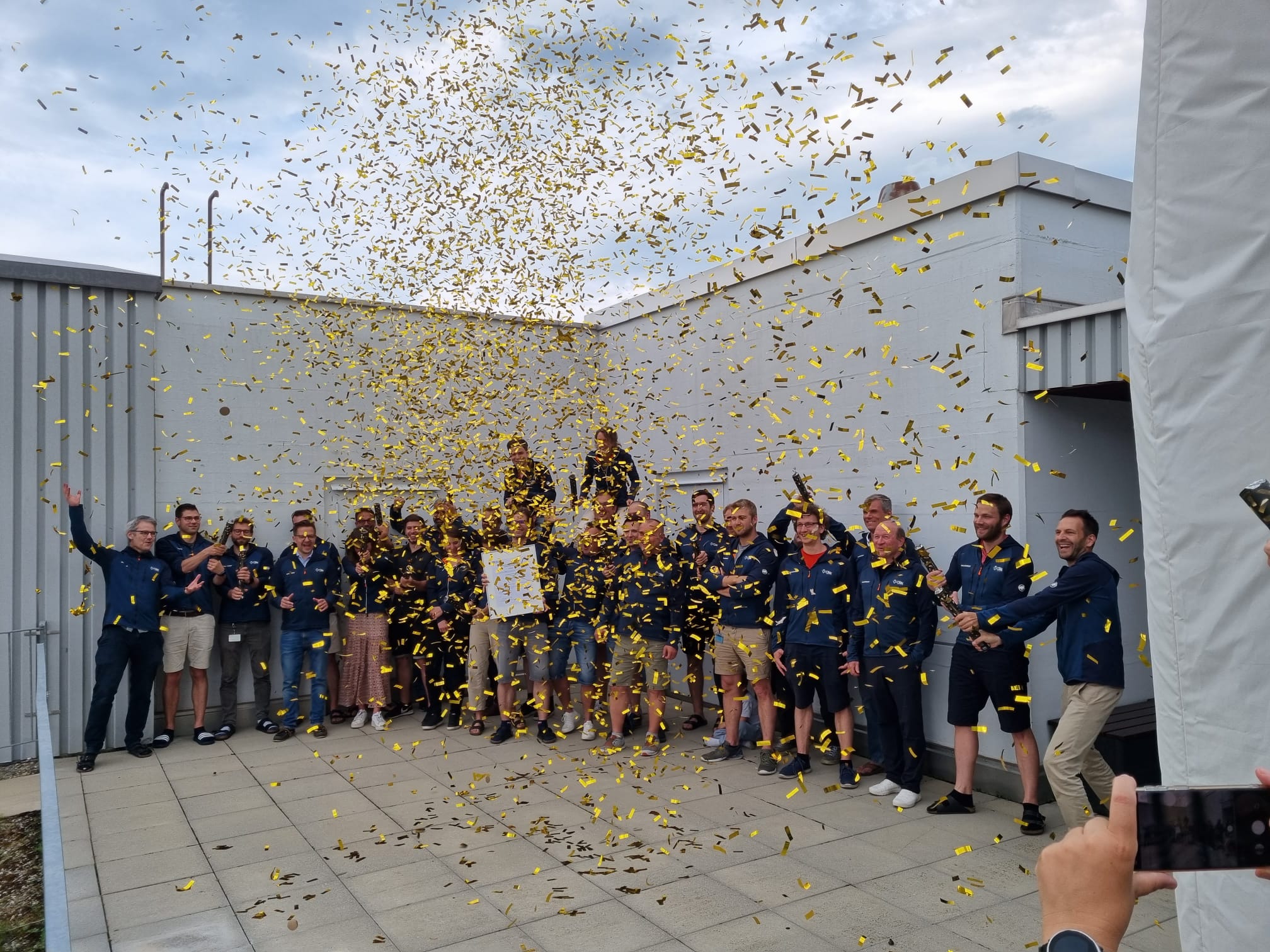
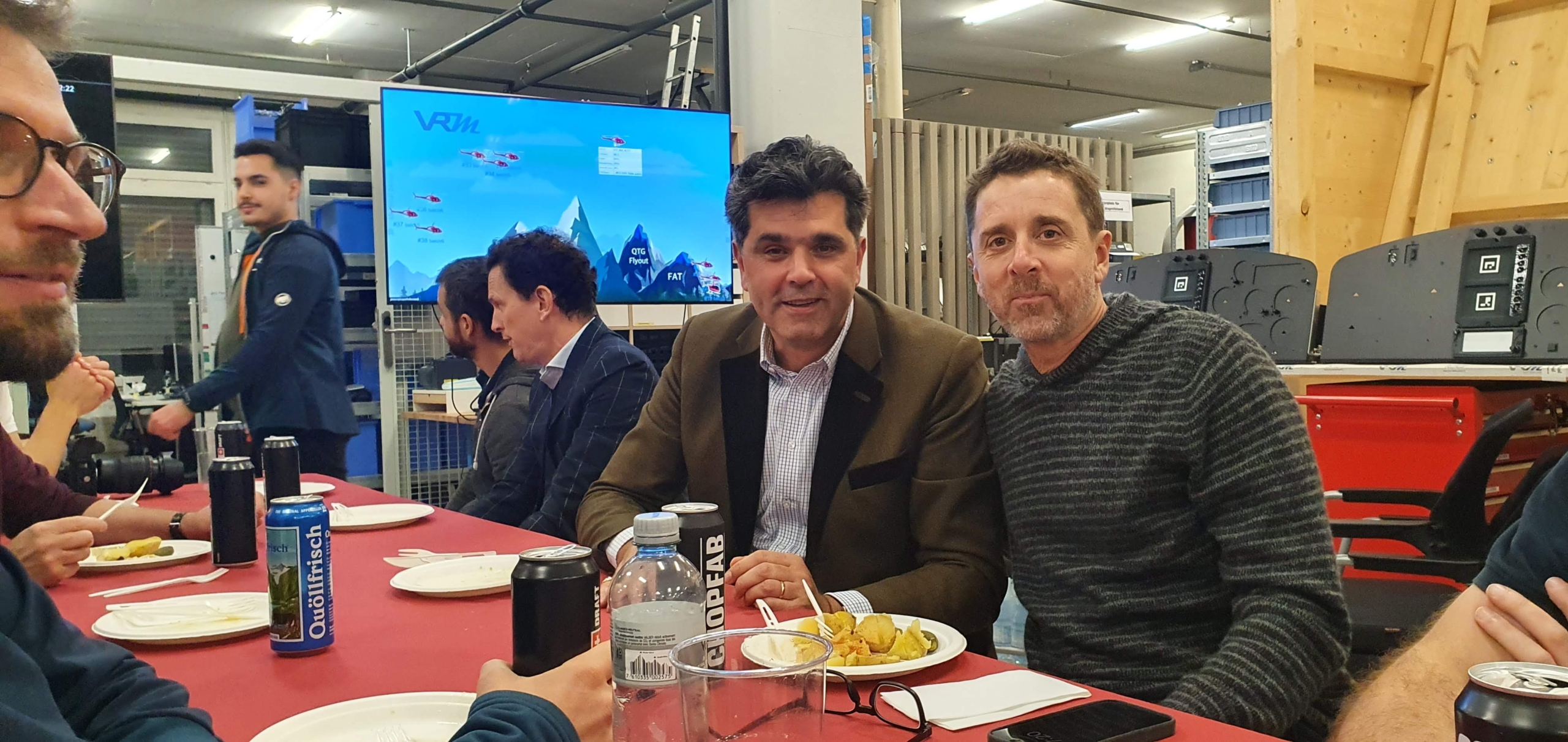
In April 2021, it did. We became the first company to receive EASA FTD Level 3 qualification for a VR helicopter simulator. That moment didn’t just validate our technology. It marked a turning point for the industry.
A Mountain, a Helicopter, and a New Partnership
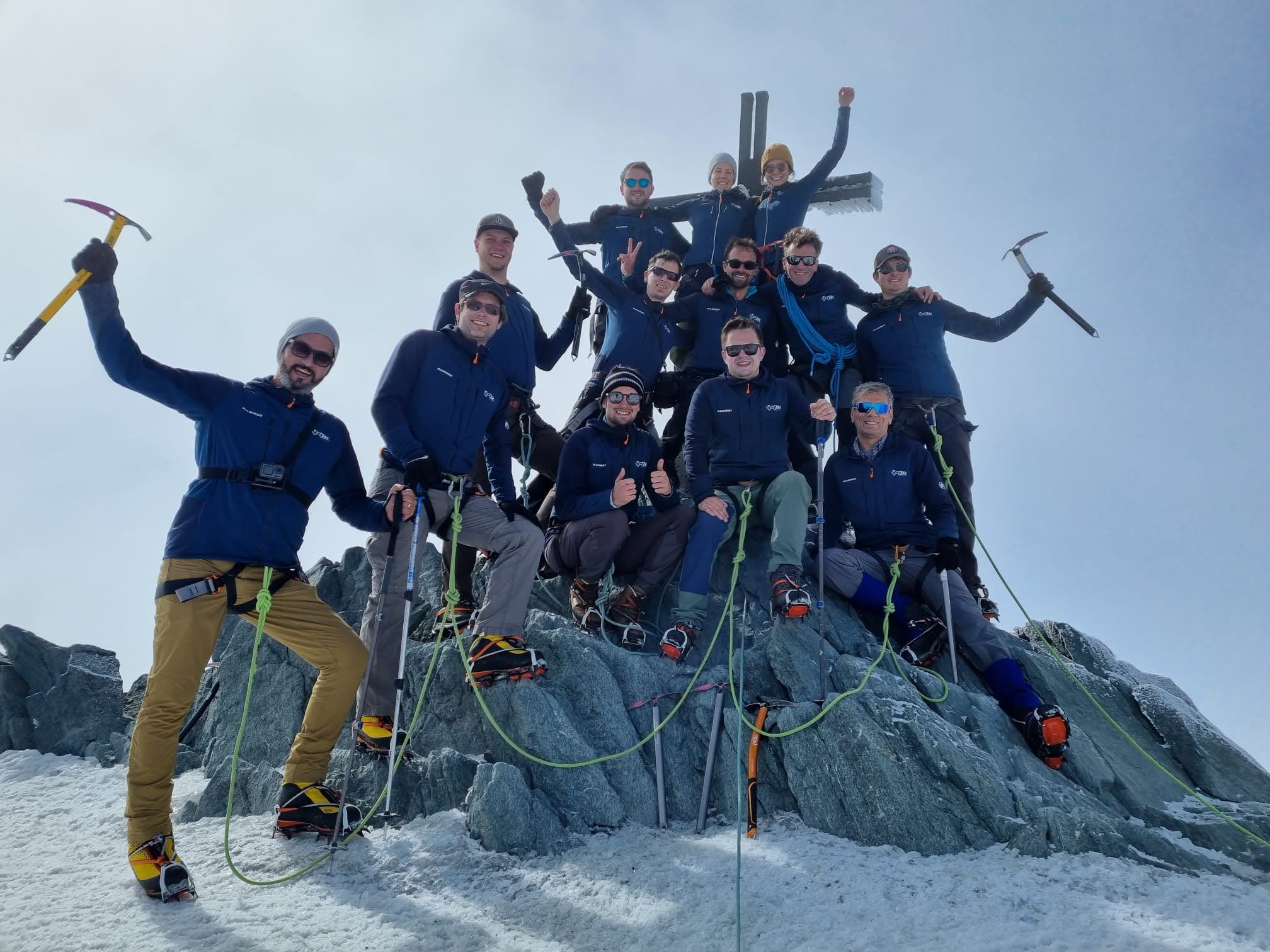
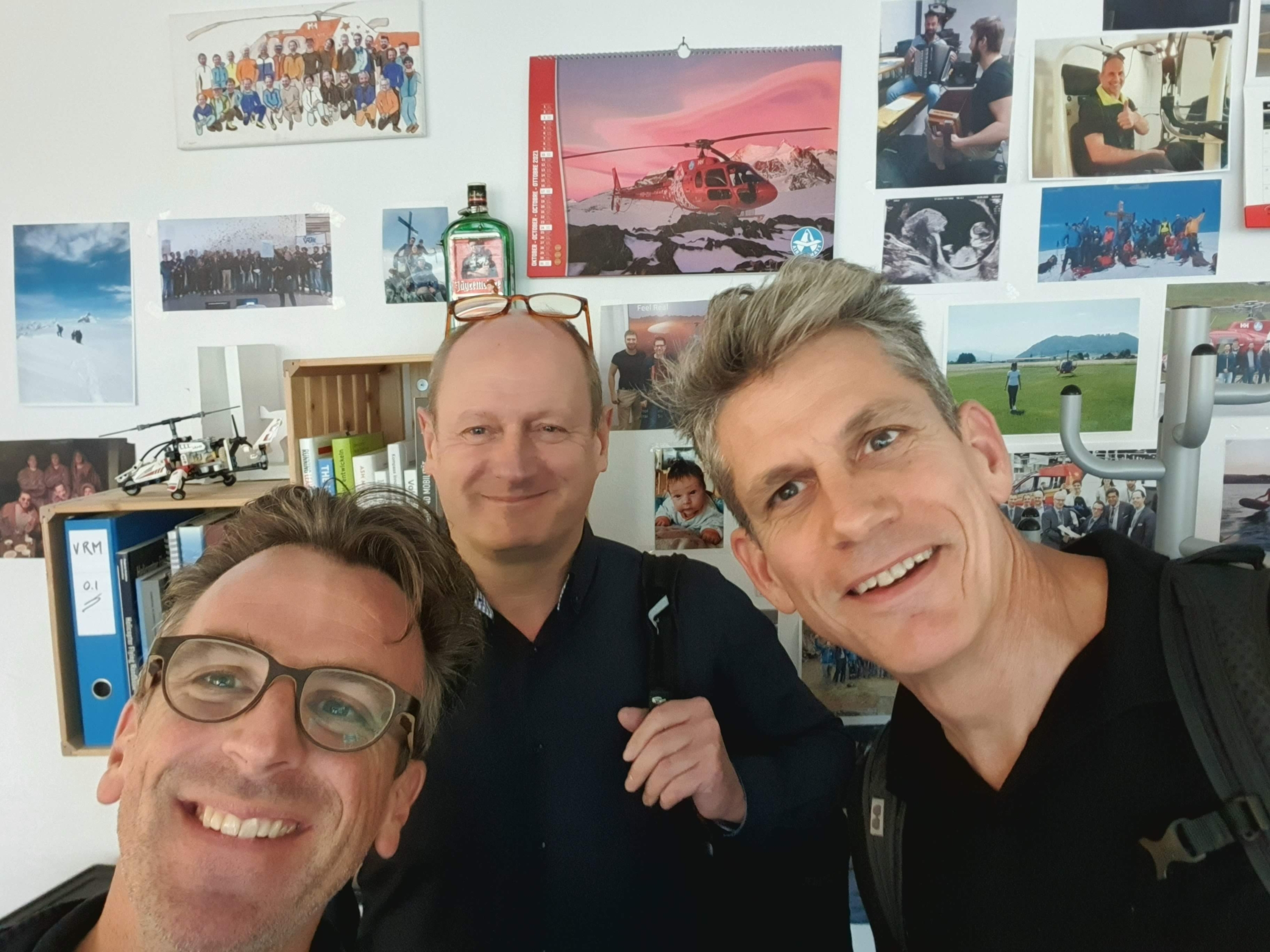
The next step was clear: developing a VR simulator for the Airbus H125. Around that time, I was hiking on Pollux with two of our engineers when I sent a message to Gerold Biner, CEO of Air Zermatt. He asked where we were, sent coordinates, and picked us up in a helicopter.
Not a bad way to get down the mountain.
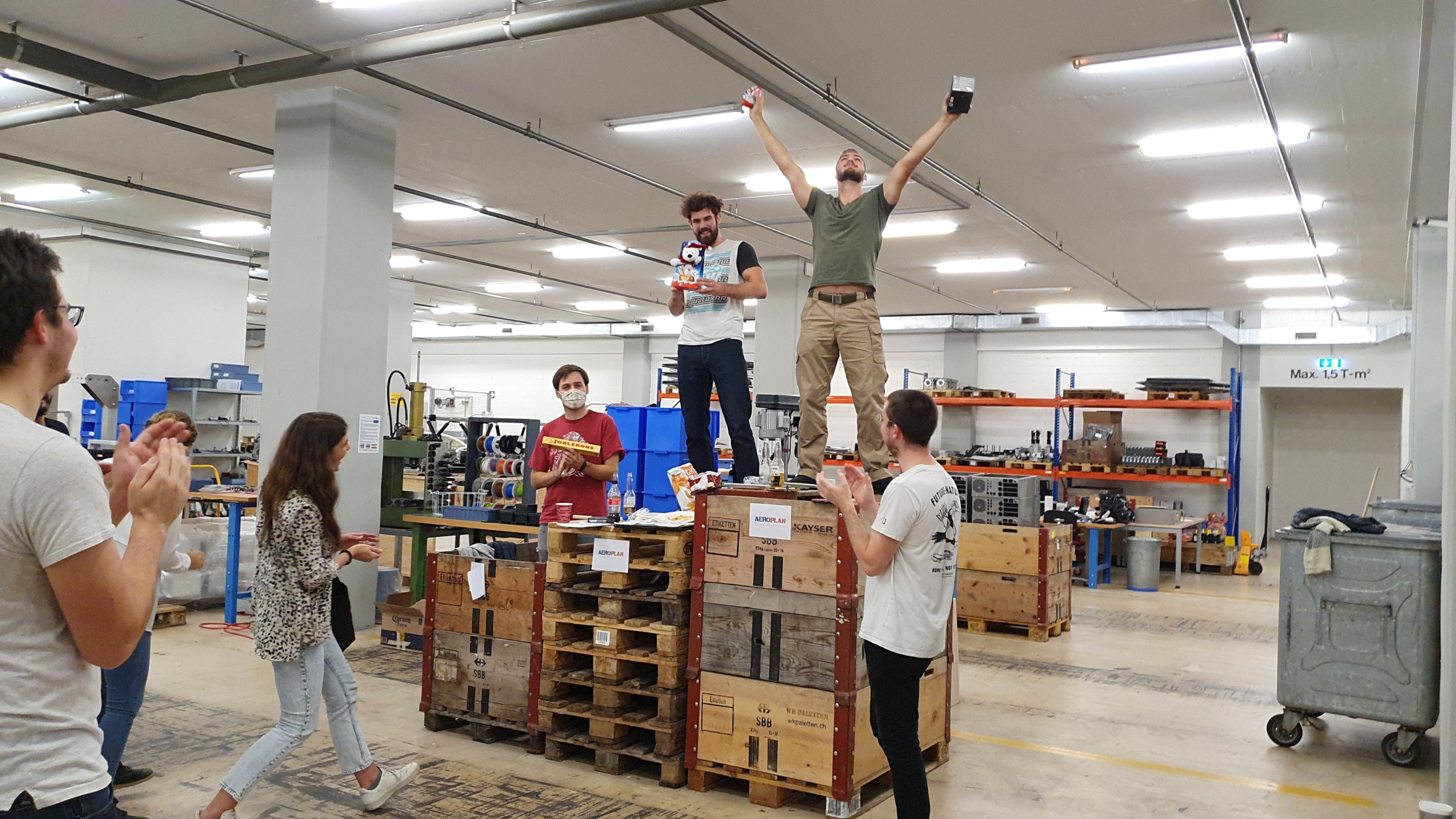
By coincidence, Airbus was visiting Air Zermatt that same day. We scheduled a meeting. Within two weeks, we had a partnership in place. Such moments are a reminder that even in a highly technical industry, progress often comes down to relationships, timing, and a bit of luck. It wasn’t long before we received FTD Level 3 qualification for the H125—another breakthrough in global aviation training. On top of our industry-shifting EASA qualifications, we had also created the first and only VR simulator approved by Airbus.
Our growth was accelerating, but it was about to be supercharged.
Scaling Beyond Switzerland
As we grew, it became clear that demand extended far beyond Europe. A day after our H125 qualification party, I got a call from Sky Dayton—American investor, serial entrepreneur, founder of EarthLink, and a newly rated jet pilot. He had seen our simulator online (YouTube again, actually) and flew himself to Switzerland to try it.
Sky has spent plenty of time in traditional simulators, so he has an acute awareness of their limitations—particularly their size and cost. He’s a strong advocate for modernizing flight training, and he recognizes the role VR simulators can play in improving safety and accessibility for pilots. So his first question was simple: “How do you scale this?”
Not long after, he led our first institutional round, bringing together a group of investors including Craft Ventures and UP.Partners. That funding allowed us to expand into North America (the largest helicopter market), deepen partnerships with companies like Airbus, and continue pushing toward broader regulatory adoption.
In 2024, we reached another major milestone: the first-ever FAA qualification of a VR flight simulation training device in the U.S.
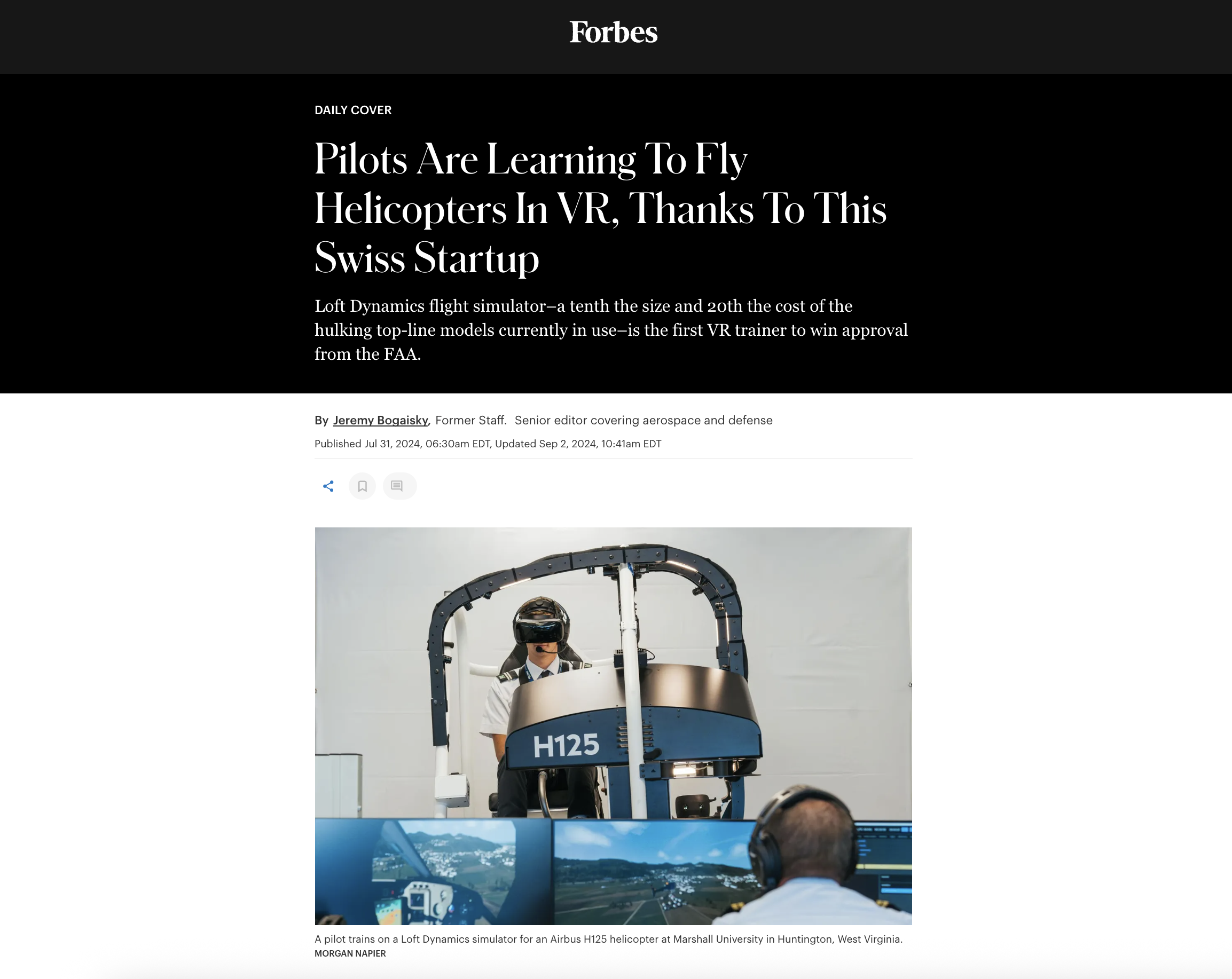
With unprecedented yet critical regulatory approvals in place, major manufacturers and aviation companies were all moving toward VR training. A company that started out in my living room had clearly been transforming pilot training around the world.
This was the moment it felt like the ground started to shift. Not just for us—but for the industry. What had once been questioned was now validated. What had felt experimental was now real. It was the sort of inflection point you only fully recognize in hindsight—like when maps moved from paper to the phone in your pocket. The assumption that pilot training had to happen in massive, centralized simulators suddenly belonged in the past.
Where We Are Today
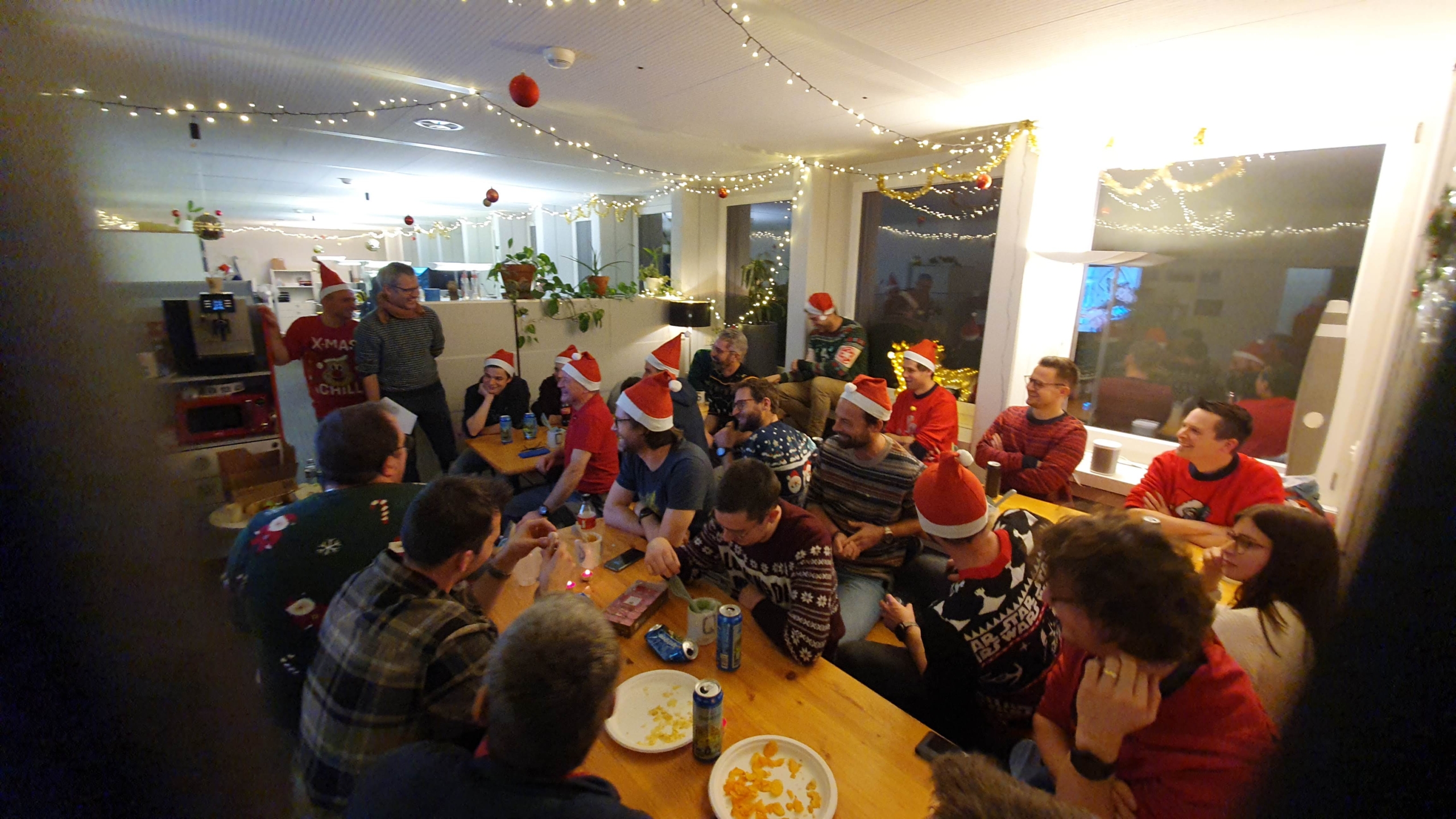
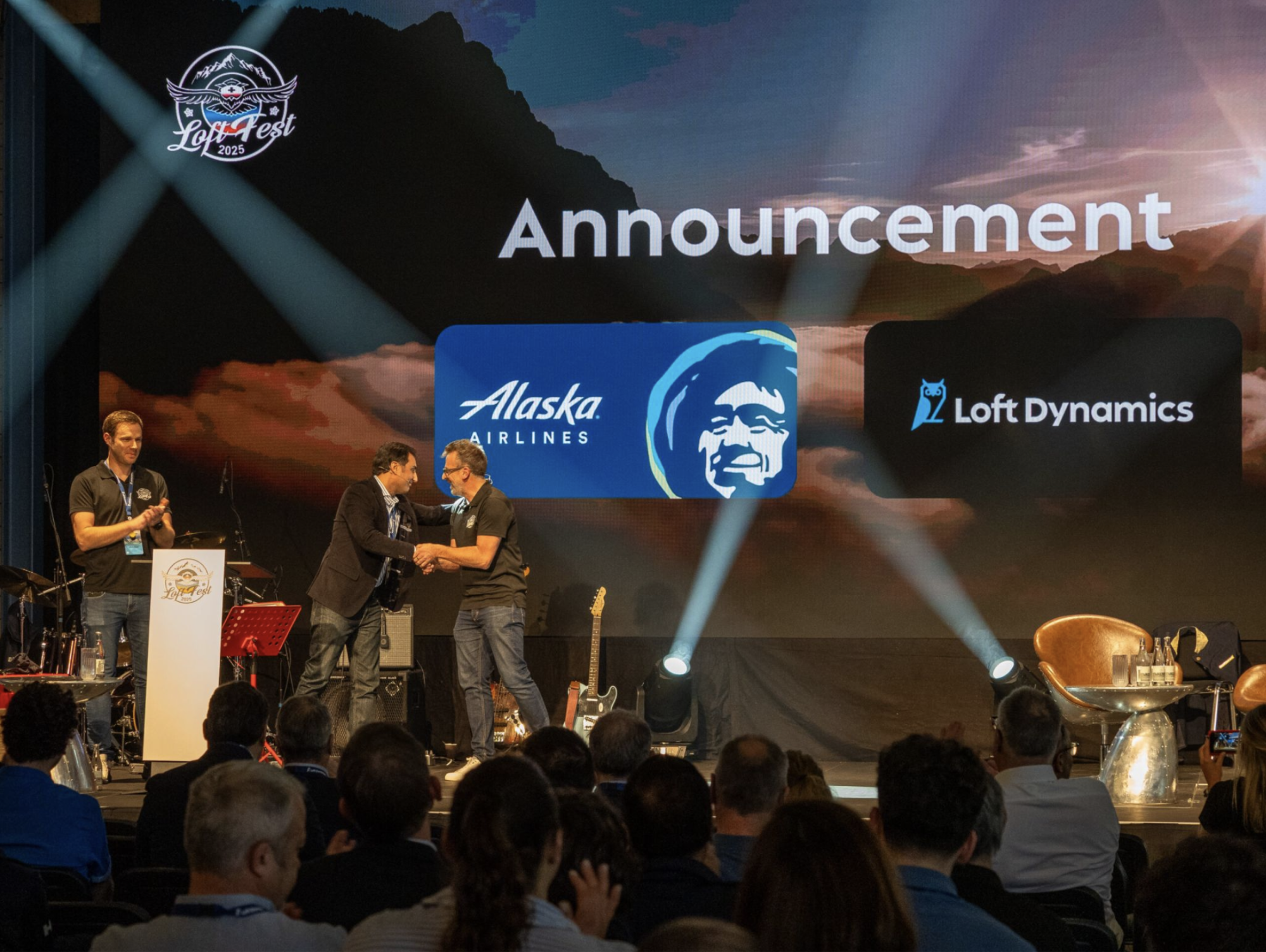
It’s surreal to step back and look at what we’ve accomplished in the past decade, especially the past few years. Things have accelerated quickly. We released the first-ever VR Airbus H145 simulator. We entered the fixed-wing market with an Alaska Airlines partnership, and we’re developing the world’s first VR Boeing 737 and Airbus A320 simulators. Our team has grown from around 20 five years ago to over 100 today, and Lofties are working all around the world.
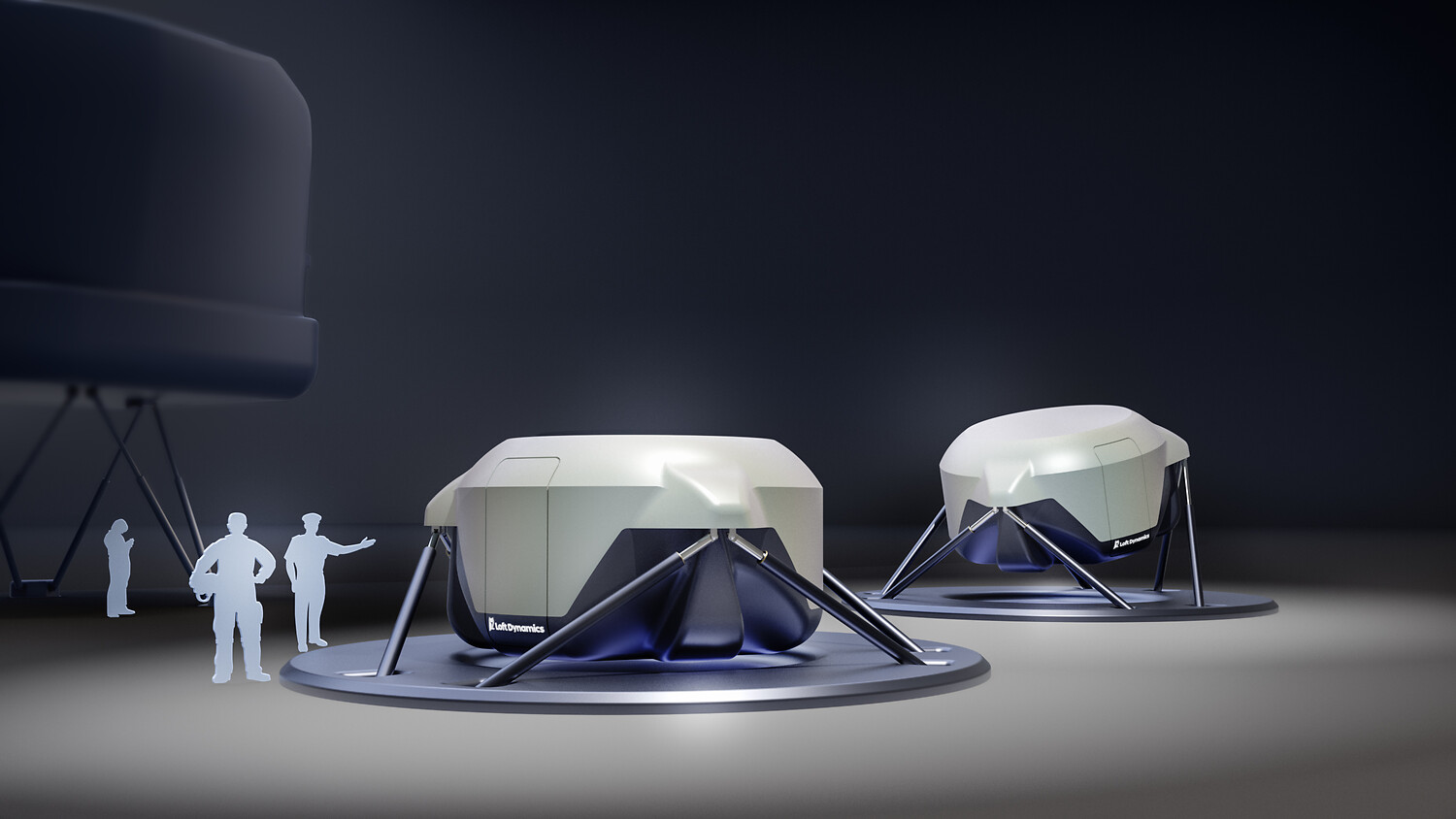
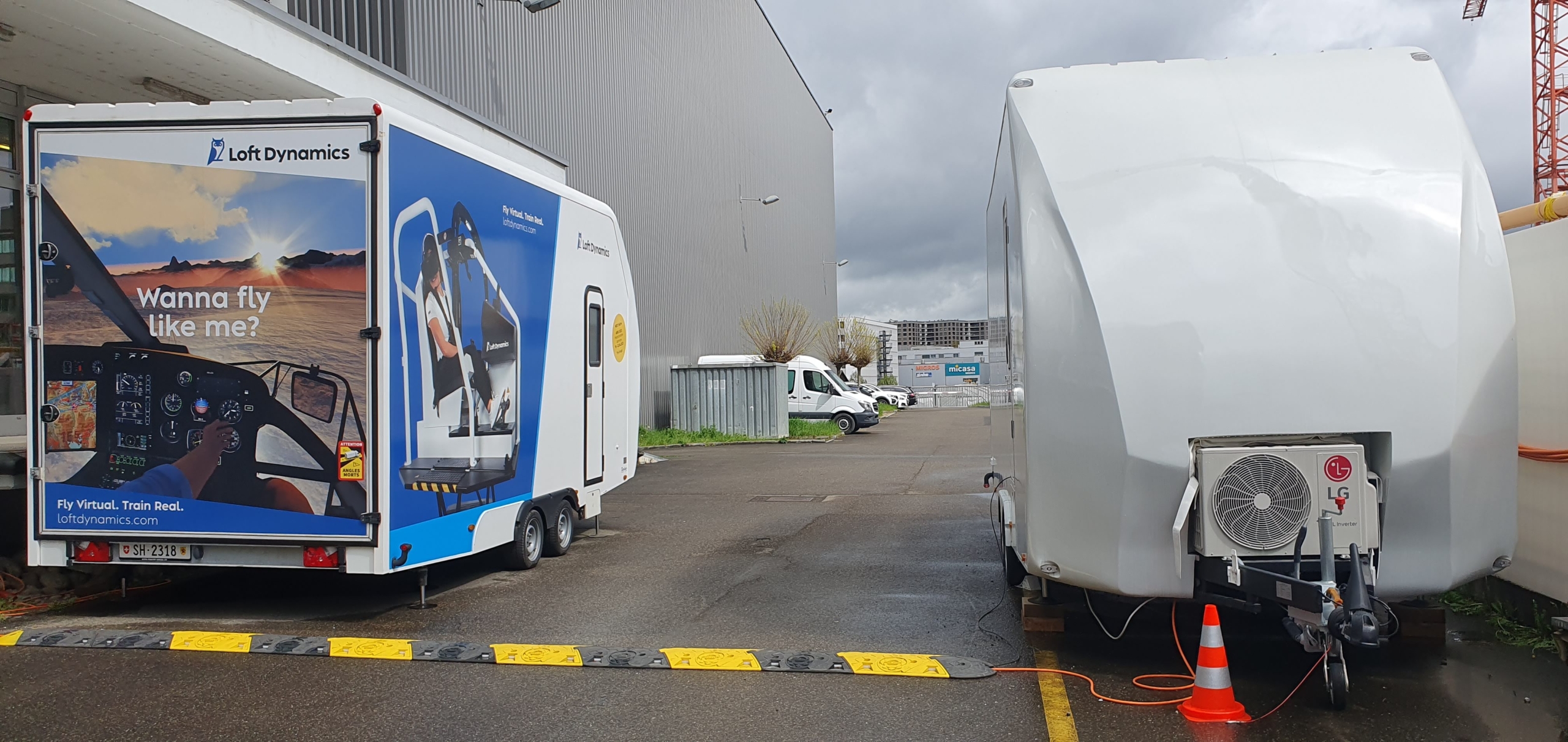
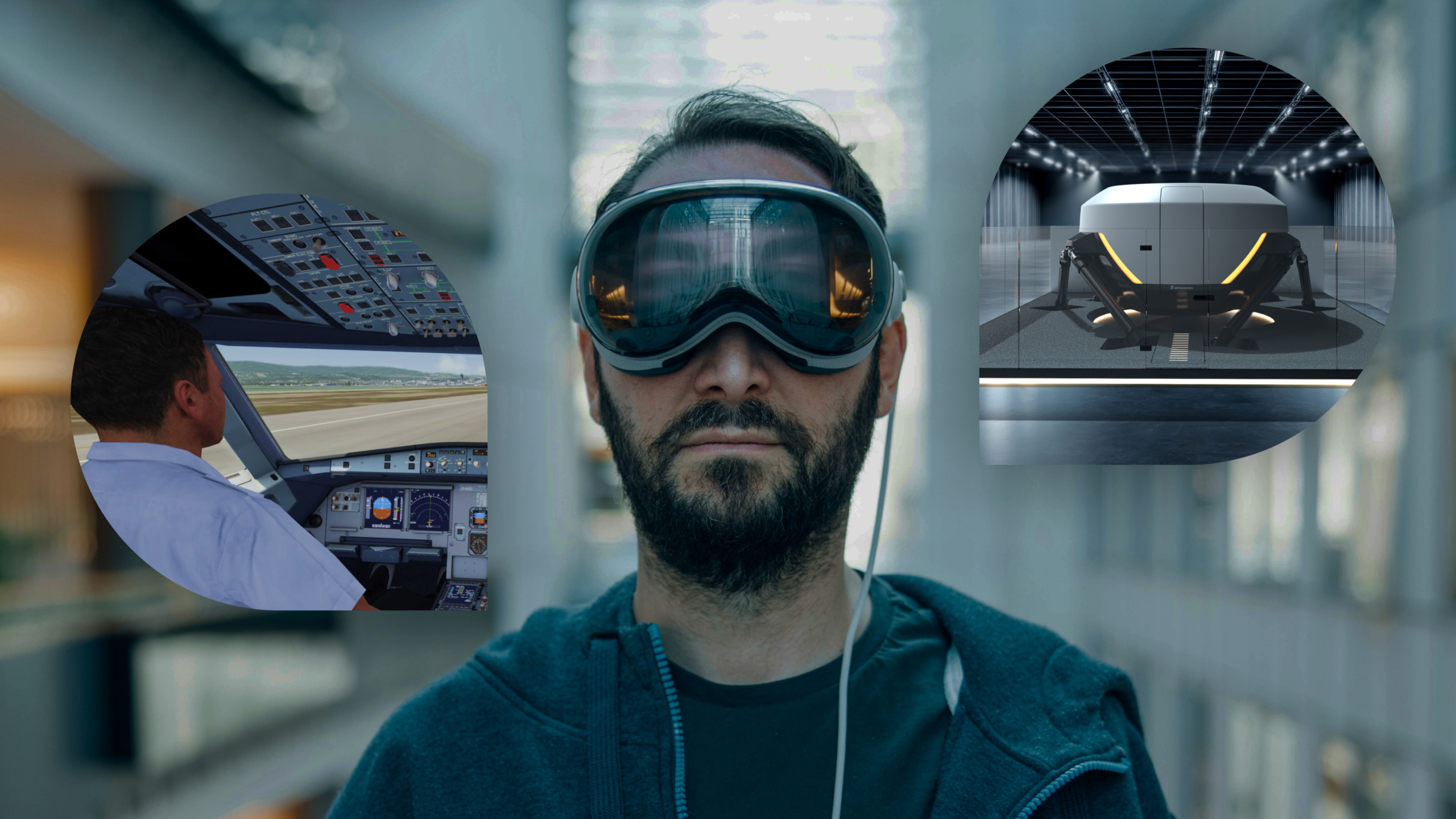
We’ve introduced new software and connectivity layers that make training more flexible and accessible. Pilots no longer need to fly around the world to get time on a simulator—they can train remotely from their living room with our at-home training kits. Or they can hop on our sim and receive instant instruction from pre-recorded, immersive lessons from the world’s top flight instructors.
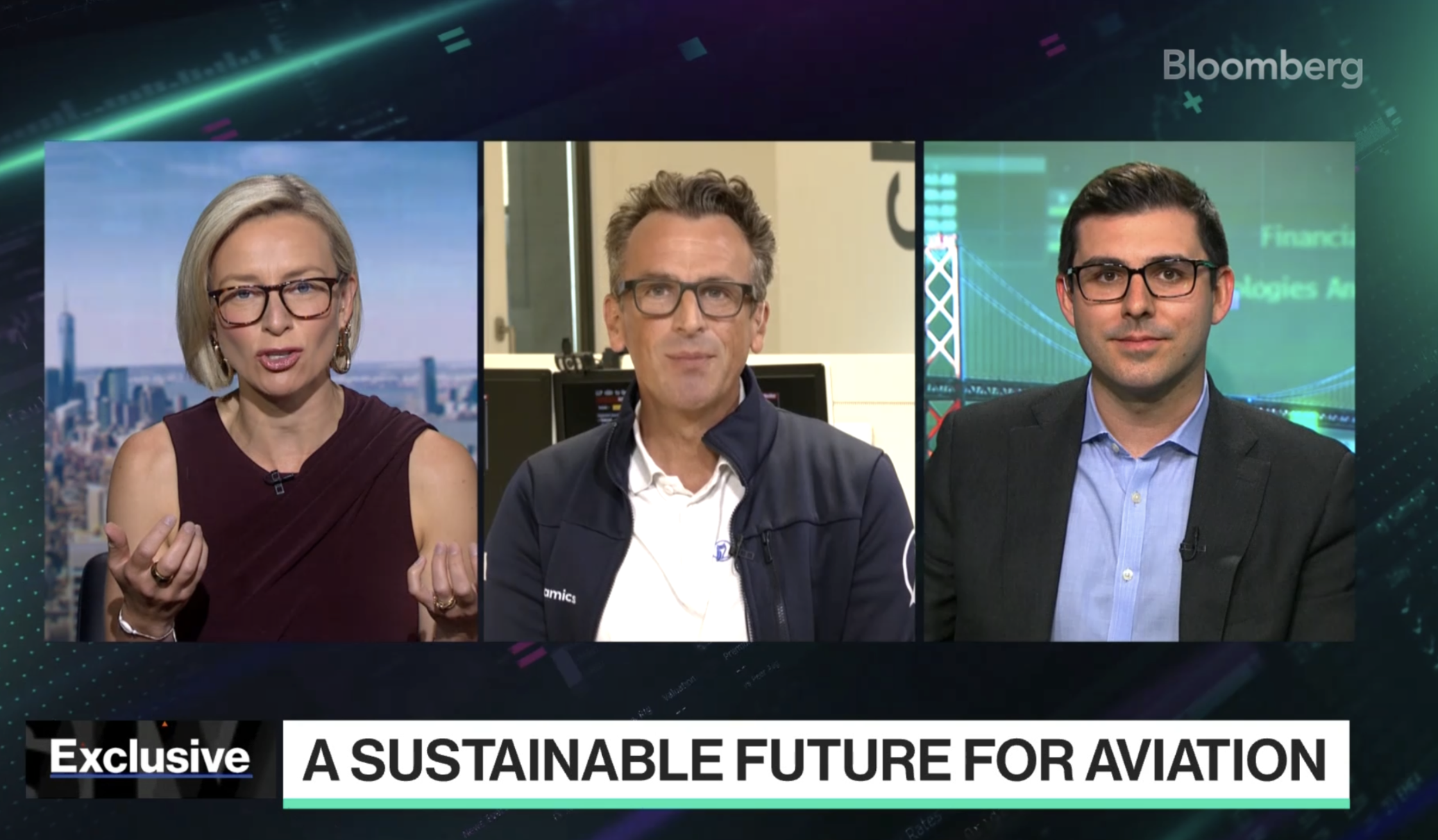
And we’ve continued to grow globally with customers across Europe, North America, Africa, Asia, and the Middle East. Our simulators are used by operators like the Los Angeles Police Department, Air Greenland, and PHI Air Medical—supporting training across a wide range of scenarios, from urban operations like surveillance and low-altitude pursuit support, to flying in some of the harshest conditions on the planet, to life-saving emergency air missions.
But the real impact isn’t just who is using these simulators—it’s what that usage has made possible over time.
Where It Gets Real
There are seven times more Loft VR simulators deployed globally today than there were just five years ago, and training sessions have increased 58-fold. As the adoption of our simulators has surged, the impact has been humbling.
For example, the number of emergency maneuvers and scenarios performed in VR has jumped 57-fold since 2021. These include: autorotations, birdstrikes, engine issues, hydraulic failures, IIMC, system failures, tail rotor issues, visual environmental risks, and vortex ring states. Last year alone, there were more than 500 high-risk maneuvers performed on our simulators.
This means pilots are gaining invaluable emergency experience that would be far too dangerous to train in real aircraft. Training accidents are among the biggest causes of helicopter fatalities, and the more experience pilots have with hazardous scenarios in a safe, controlled, and immersive environment, the more prepared they will be for these scenarios in the real world.
The growth of our simulator network has also reduced the environmental impact of flight training. Since 2021, VR training has eliminated 5,000 tons of CO2 emissions—the equivalent of taking 1,000 cars off the road for a year. A big part of this comes down to improved accessibility for operators around the world. In some cases, this means pilots no longer have to fly thousands of kilometers to get time on simulators.
The cost of training on Loft VR flight simulation training devices is around 12 times lower than traditional simulators: $100 per session versus $1,200 per flight hour. This has translated to millions of dollars saved for several operators.
We set out to make flight training more available and effective than ever before, and the data proves that this mission has been a resounding success. But the mission continues.
This is Just the Beginning
The challenges that inspired Loft Dynamics are more urgent than ever. There is a global pilot shortage. Training remains expensive and difficult to access. And too many pilots still don’t get the level of preparation they need.
We believe training should be more immersive and accessible—not limited to a handful of locations and a small number of cumbersome and expensive traditional simulators. Ten years ago, this conviction drove us to fundamentally rethink how pilots train. Today, we’re still doing that—but on a much larger scale.
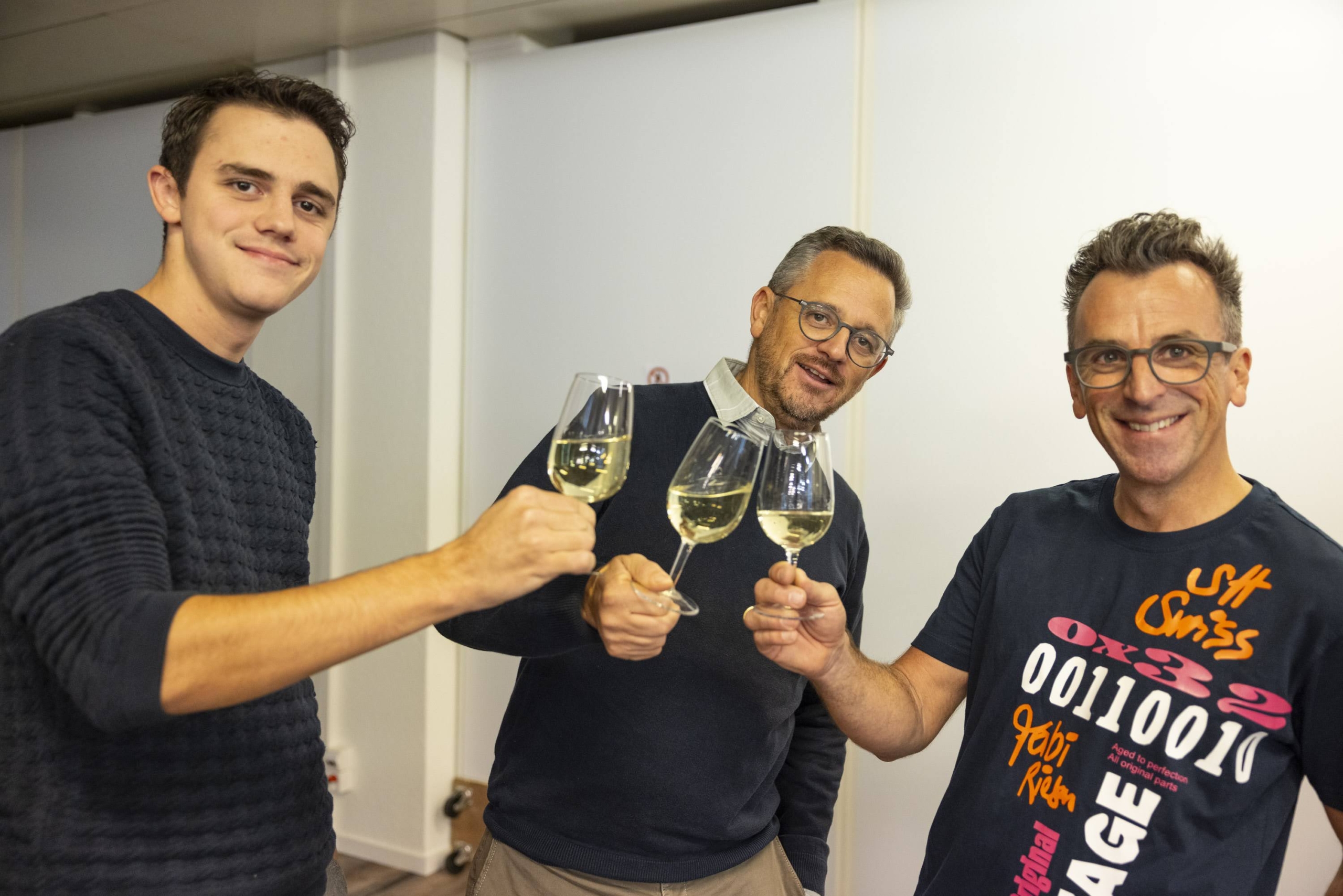
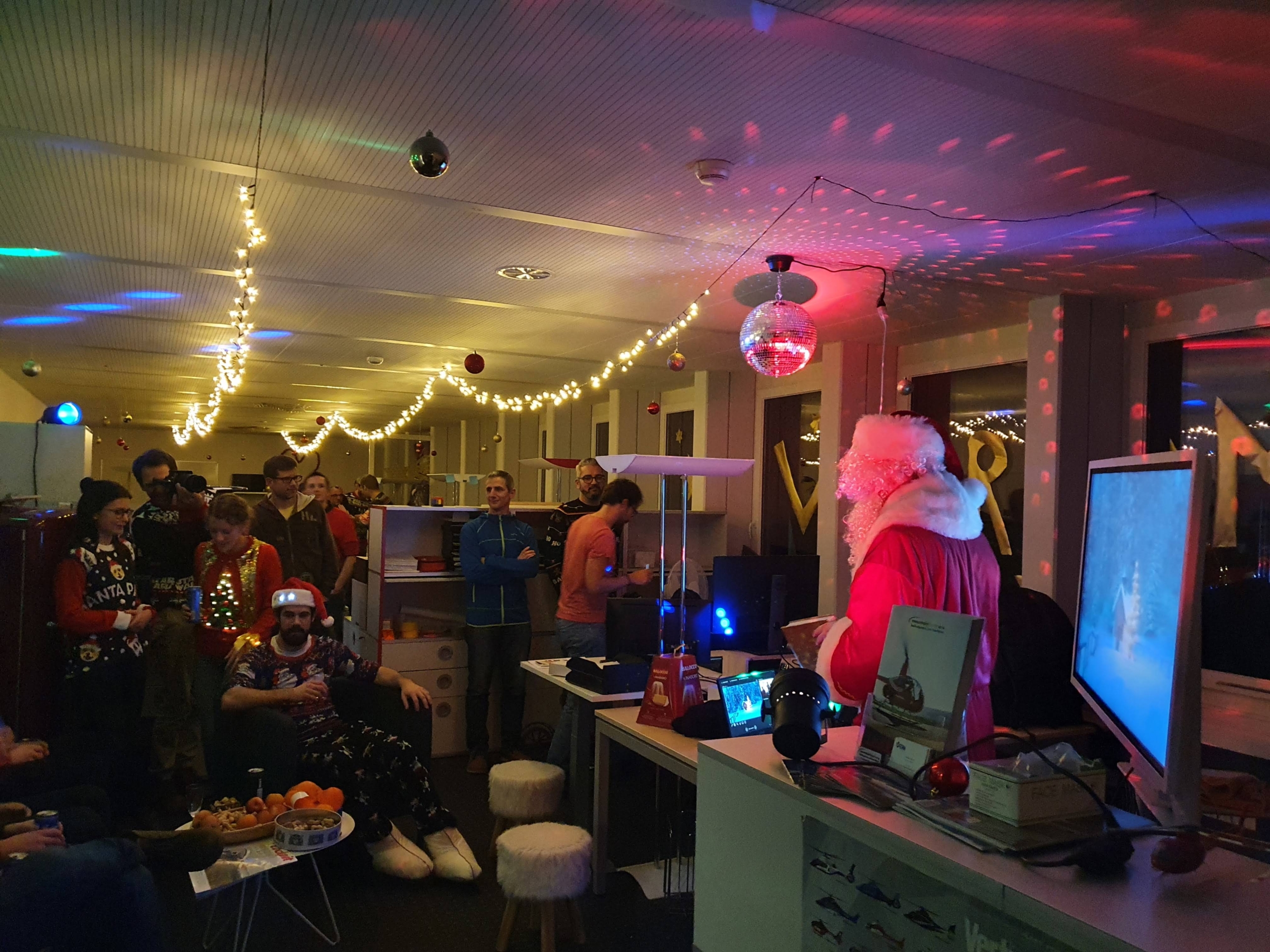
Our tenth anniversary gives me an opportunity to thank everyone who has made this story possible: our visionary investors, partners, and regulators who were willing to challenge the status quo, and the incredible Loft team that has changed aviation forever. From our scrappy early days building simulators from the ground up to our global expansion over the past few years, I’m constantly amazed and inspired by the resourcefulness, innovation, and drive this team has shown as we build the future of flight training.
If the past decade has taught me anything, it’s this: The most meaningful changes in aviation don’t happen all at once. They happen when people are willing to challenge what’s considered standard—and keep going until it isn’t.