We’ve always believed there was a better way to train pilots — one that’s safer, more accessible and far less resource-intensive than traditional aircraft-based training. Over the last few years, as operators around the world have shifted more of their in-air training into our VR simulators (and reduced the need to travel to far-away simulator centers), we’ve seen something exciting happen: the environmental impact is real, measurable and growing.
A meaningful recognition
This month, Switzerland’s Technology Fund, a program under the Swiss Confederation’s climate strategy, recognized that impact. After evaluating the environmental contribution of our technology, the Fund selected Loft Dynamics for a loan guarantee, a designation reserved for Swiss companies whose innovations help reduce greenhouse gas emissions and promote energy efficiency, renewable energy or the conservation of natural resources.
Access driving impact
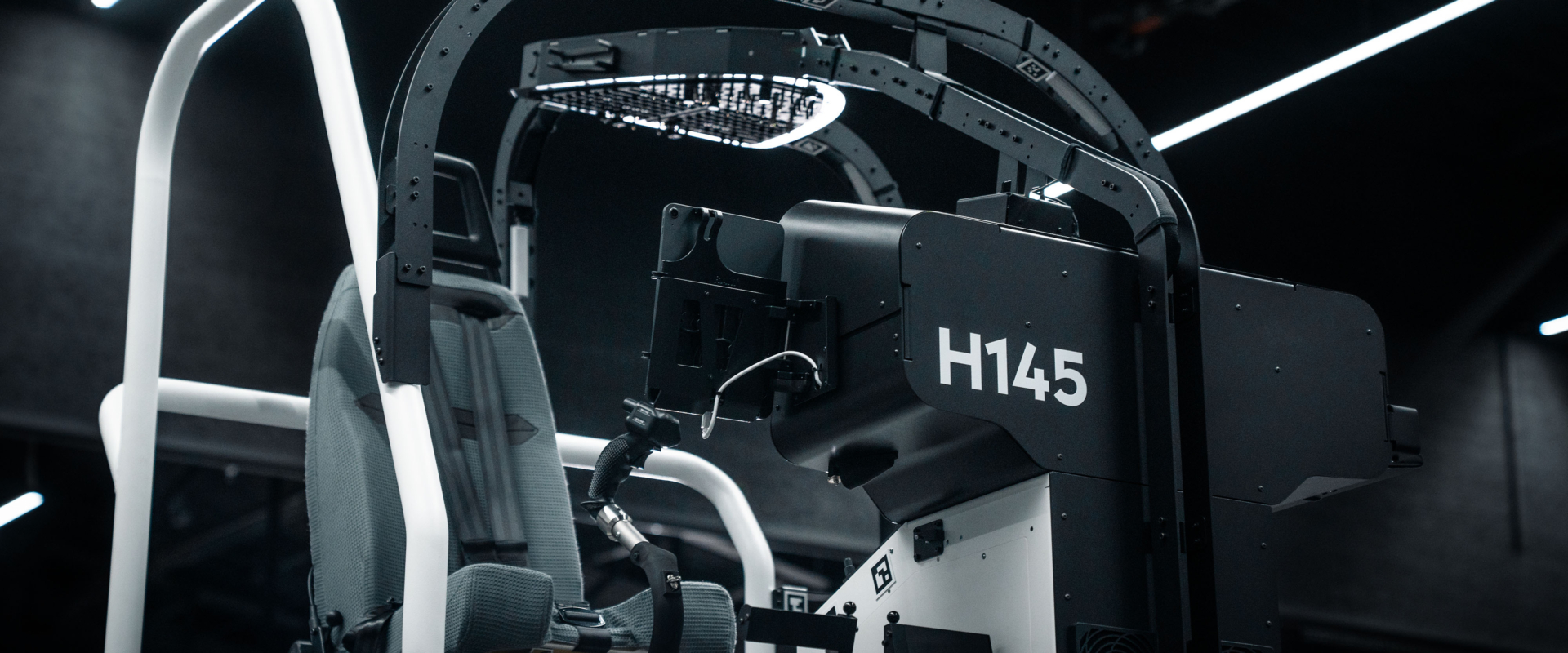
Beyond the ecological advantages of VR training, another important factor in the Fund’s evaluation was the evidence that our approach makes it possible to shift a meaningful share of training hours out of the aircraft altogether. Because our simulators are far more affordable than legacy devices, we have been able to deploy more of them across more geographies, giving operators access to training where it simply was not available before. And because the realism matches what pilots experience in the actual aircraft, operators see strong acceptance and consistent use. In customer surveys, operators reported that between 50 percent and 85 percent of the training hours they now complete in our simulators were previously done in the aircraft.
5,579 tons of CO₂ saved
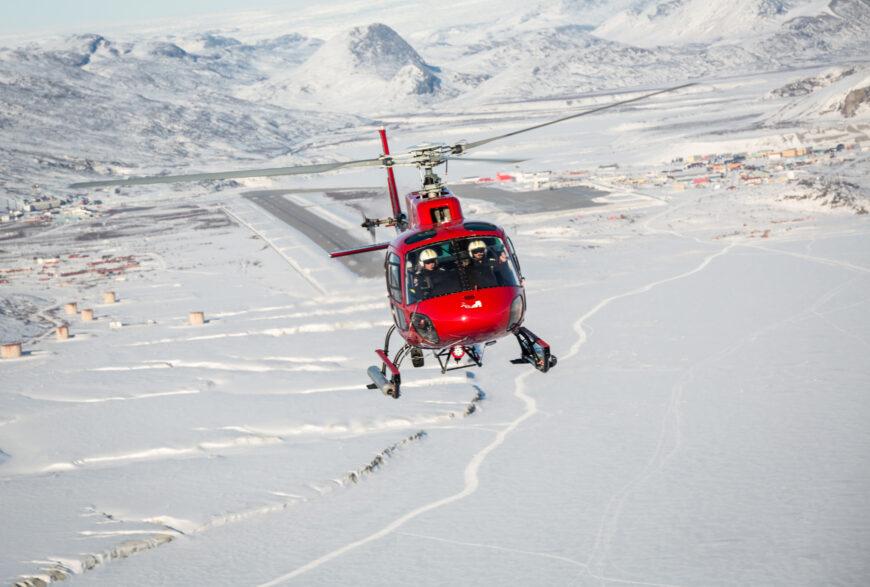
As we know, traditional aircraft-based training (especially for helicopters) requires burning fuel, flying to suitable terrain, coordinating aircraft availability and waiting for the right weather conditions. Many of those hours can now be completed more safely and effectively in a qualified VR simulator.
Because of that shift, the environmental benefits have become significant. Since 2021, operators using Loft simulators have saved an estimated 5,579 tons of CO₂ (the equivalent of removing 1,150 cars from the road for an entire year. And the momentum is building. In 2025 alone, CO₂ savings grew 34% year over year, driven by increased adoption and usage of our simulators.
A more sustainable future for aviation training
The Technology Fund’s recognition reinforces something we care deeply about: building a safer and more sustainable way to train pilots. It also reflects how accessible, high-quality VR training is strengthening environmental and safety benefits as operators shift more of their programs into simulation. And as more VR devices are qualified and adopted, those benefits continue to compound.
We are energized by this milestone and committed to pushing the boundaries of sustainable training.